

What is a Seaweed Powder Pneumatic Conveying System? And What Are Its Design Principles?
When it comes to handling and transporting fine powders like seaweed powder, the choice of a pneumatic conveying system can significantly impact operational efficiency and product quality. A seaweed powder pneumatic conveying system is a specialized piece of equipment designed to move dry, particulate materials through a pipeline using compressed air or other gas as the conveying medium. This method offers several advantages over traditional mechanical conveying systems, such as reduced contamination, lower maintenance requirements, and the ability to transport materials over long distances without the need for multiple transfer points.
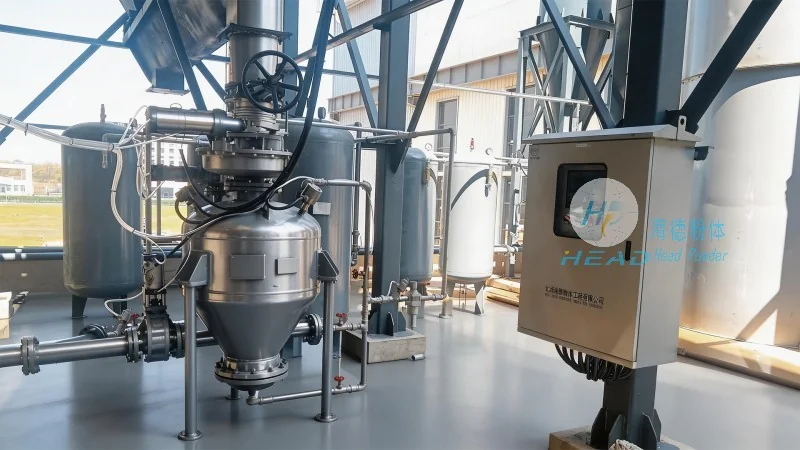
HeadPowder, a leading manufacturer based in Shandong, China, specializes in the design and production of such systems. The company's expertise lies in understanding the unique properties of seaweed powder, which can vary in particle size, moisture content, and flow characteristics. These factors are critical when designing a pneumatic conveying system, as they directly influence the system's capacity, pressure requirements, and overall performance.
Understanding the Core Design Principles of a Seaweed Powder Pneumatic Conveying System
The fundamental principle behind any pneumatic conveying system is the use of air to create a flow that carries the powder particles through the pipeline. There are two main types of pneumatic conveying systems: dilute-phase and dense-phase. Dilute-phase systems operate at higher velocities and lower pressure, suitable for short to medium distances and low to medium material loads. Dense-phase systems, on the other hand, use lower velocities and higher pressure to move material in a more controlled manner, ideal for longer distances and higher material loads.
For seaweed powder, the choice between these two systems often depends on the specific application and the desired material handling characteristics. For example, if the goal is to transport seaweed powder from a storage silo to a processing plant over a distance of several hundred meters, a dense-phase system might be more appropriate due to its ability to maintain a consistent flow and minimize material degradation. Conversely, for shorter distances or lower material volumes, a dilute-phase system could be sufficient.
Key Components and Their Roles in the System
A typical seaweed powder pneumatic conveying system consists of several key components, each playing a crucial role in the overall operation. The primary components include a material feed hopper, a conveying line, a dust separator or cyclone, a filter system, and a venturi or pressure drop device.
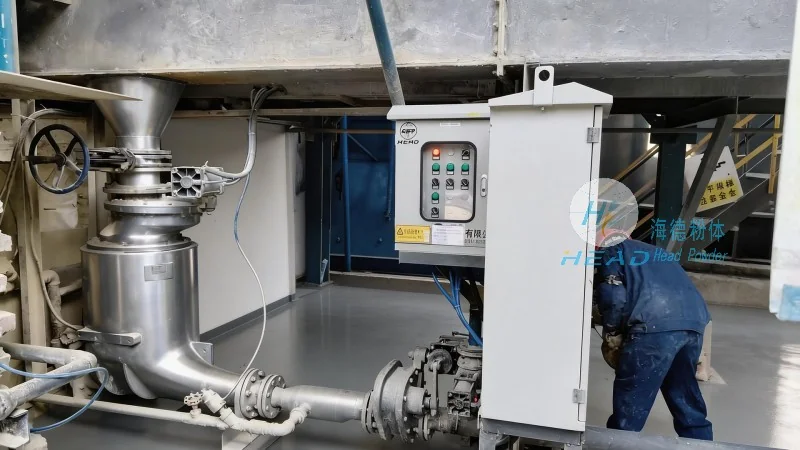
The material feed hopper is responsible for storing and feeding the seaweed powder into the system. It is designed to prevent material bridging and ensure a consistent flow of powder into the conveying line. The conveying line, usually made of stainless steel or other corrosion-resistant materials, is where the powder is transported. The choice of material for the pipeline is critical, as seaweed powder can be abrasive and may contain moisture, which could lead to corrosion or clogging over time.
The dust separator or cyclone is a critical component for separating the powder from the air stream. As the air and powder mixture enters the separator, the heavier powder particles are forced to the walls and fall back into the system, while the air is directed to the filter system. The filter system, typically a baghouse or cartridge filter, removes any remaining dust particles from the air before it is released back into the environment or recirculated back into the system.
Design Considerations for Optimal Performance
Designing an effective seaweed powder pneumatic conveying system requires careful consideration of several factors to ensure optimal performance and longevity. One of the most important considerations is the particle size distribution of the seaweed powder. Smaller particles are more prone to segregation and can lead to increased pressure drop and reduced system efficiency. Therefore, the system design must account for the particle size to maintain a consistent flow and prevent clogging.
Another critical factor is the moisture content of the seaweed powder. High moisture content can lead to clumping and clogging in the system, reducing its efficiency and potentially causing damage to the equipment. To mitigate this, the system may include a drying step or use a design that minimizes moisture exposure. Additionally, the system's pressure drop must be carefully calculated to ensure that the conveying air can effectively move the material through the pipeline without excessive energy consumption.
The system's capacity is also a key design consideration. The conveying rate, measured in tons per hour, must be matched to the production requirements of the facility. Overloading the system can lead to increased pressure drop, reduced flow, and potential system failure. Conversely, underloading may result in inefficient use of energy and increased operating costs.
Benefits of Using a Pneumatic Conveying System for Seaweed Powder
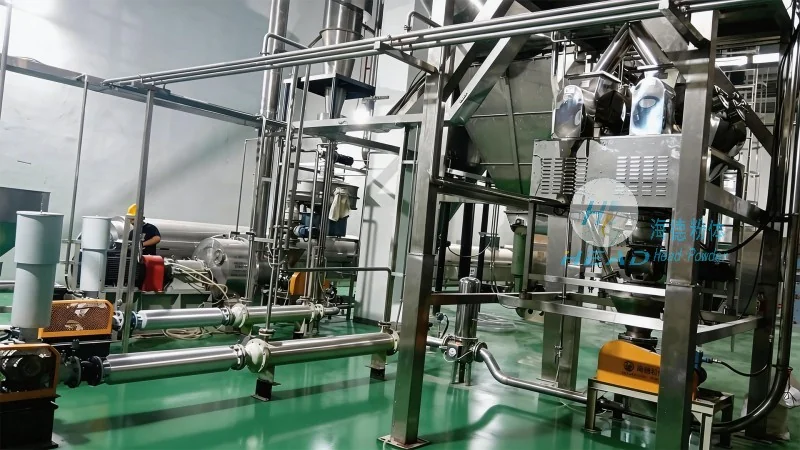
Implementing a seaweed powder pneumatic conveying system offers several benefits that make it an attractive choice for many industries. One of the primary benefits is the reduction in material contamination. Unlike mechanical systems that may introduce metal particles or other contaminants into the powder, pneumatic systems use air as the conveying medium, ensuring that the seaweed powder remains clean and free from external contaminants.
Another significant benefit is the lower maintenance requirements. Pneumatic systems have fewer moving parts compared to mechanical systems, such as screw conveyors or belt conveyors, which reduces the likelihood of breakdowns and the need for frequent maintenance. This leads to lower maintenance costs and increased system uptime.
Furthermore, pneumatic conveying systems offer greater flexibility in terms of layout and material handling. They can be easily integrated into existing facilities and can transport materials over long distances without the need for multiple transfer points. This flexibility allows for more efficient plant layouts and reduces the overall footprint of the facility.
Conclusion
In conclusion, a seaweed powder pneumatic conveying system is a highly effective and efficient method for handling and transporting seaweed powder. The design principles, components, and considerations outlined above are essential for ensuring that the system operates at its optimal level, delivering consistent performance and high-quality results. With the expertise of companies like Shandong HeadPowder Engineering Co., Ltd., manufacturers can design and implement custom pneumatic conveying systems tailored to their specific needs, ensuring reliable and efficient material handling for their seaweed powder operations.