

What is a Sodium Chloride Pneumatic Conveying System? And What Are Its Design Principles?
Sodium chloride, commonly known as table salt, is a widely used chemical compound in various industries. The transportation of sodium chloride from one location to another is often achieved through pneumatic conveying systems. This article aims to explain what a sodium chloride pneumatic conveying line is and delve into its design principles, providing a comprehensive understanding of this essential industrial technology.
Understanding the Sodium Chloride Pneumatic Conveying Line
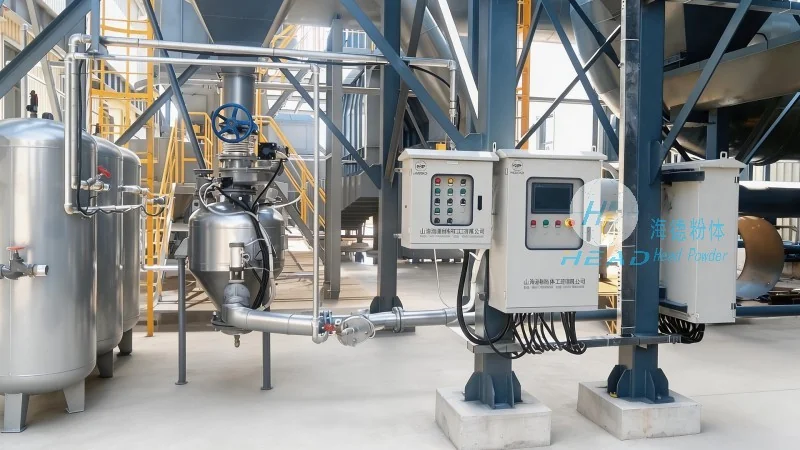
A sodium chloride pneumatic conveying line is a system designed to transport granular or powdered sodium chloride using a gas stream, typically air. This method of material handling offers several advantages over traditional methods like belt conveyors or bucket elevators, including reduced equipment wear, lower maintenance costs, and the ability to handle materials in a dust-free environment. The system typically consists of a hopper, a feeder, a conveying pipe, a receiver, and a dust collector. The hopper stores the sodium chloride, and the feeder controls the flow rate. The conveying pipe transports the material using compressed air, which can be either positive pressure or negative pressure systems. The receiver collects the material at the destination, and the dust collector removes any airborne particles to ensure a clean operation.
Design Principles of the Sodium Chloride Pneumatic Conveying System
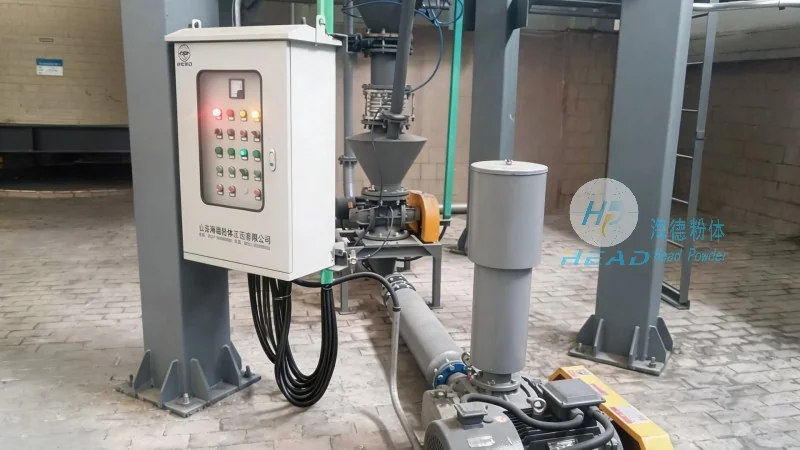
The design of a sodium chloride pneumatic conveying system involves several key principles to ensure efficient and reliable operation. First, the system must be sized appropriately to handle the required flow rate of sodium chloride. This includes determining the appropriate pipe diameter, air velocity, and pressure drop. The pipe diameter is crucial as it affects the pressure drop and the capacity of the system. A larger diameter reduces pressure drop but increases the cost of the pipe. The air velocity must be high enough to prevent material settling but low enough to avoid excessive wear on the pipe and components. The pressure drop across the system is a critical factor, as it determines the power required to operate the system. Proper sizing of the compressor and other components is essential to maintain the required pressure and flow.
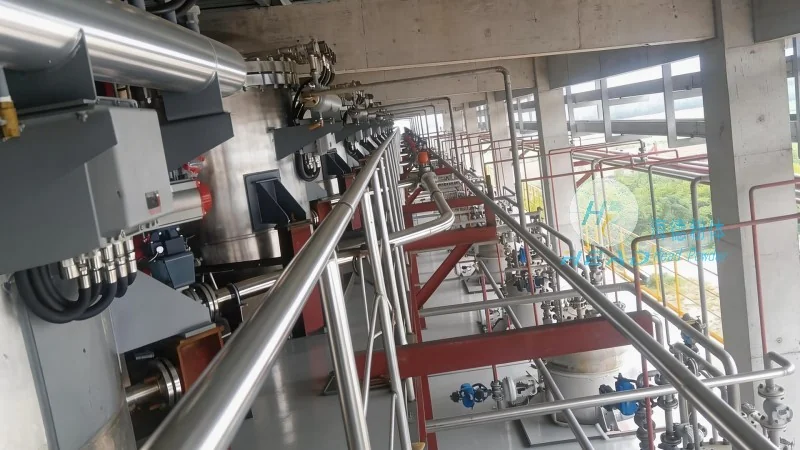
Second, the system must be designed to handle the specific properties of sodium chloride. Sodium chloride is a granular material with a certain density and particle size distribution. The system must be able to handle these properties without causing blockages or excessive wear. The feeder is a critical component in this regard, as it must control the flow rate of the material to prevent overloading the conveying pipe. The hopper and receiver must also be designed to accommodate the material's characteristics, such as its bulk density and flowability. The system may also include a filter or separator to remove any moisture or impurities from the sodium chloride, ensuring the material meets the required quality standards.
Third, the system must be designed for safety and environmental considerations. Pneumatic conveying systems can generate dust, which poses a health risk if not properly controlled. The system must include a dust collector to capture and remove the dust, ensuring the air is clean and safe for the operators. The system must also be designed to prevent the buildup of static electricity, which can be a fire hazard. Proper grounding and bonding of the components are essential to mitigate this risk. Additionally, the system must comply with local regulations regarding the handling of sodium chloride, which may include requirements for storage, handling, and disposal.
About Shandong HeadPowder Engineering Co., Ltd.
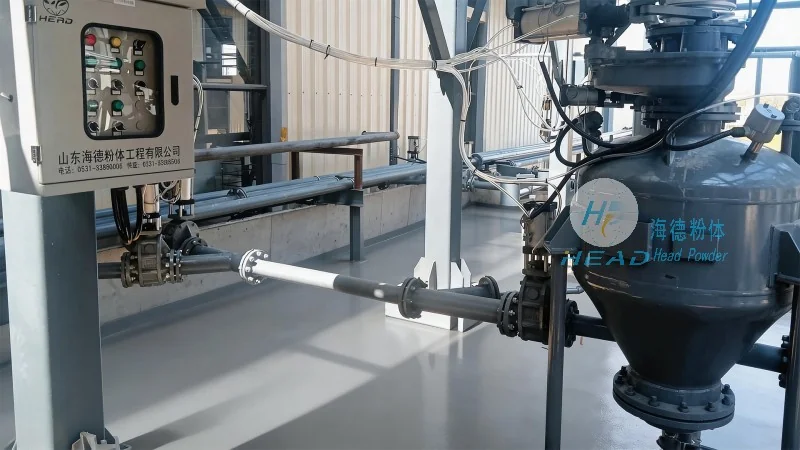
Shandong HeadPowder Engineering Co., Ltd., commonly known as HeadPowder, is a professional manufacturer and supplier of pneumatic conveying systems and related equipment. The company is located in Shandong, China, and has been serving the industrial sector for many years. HeadPowder specializes in designing and manufacturing customized pneumatic conveying systems for various applications, including the transportation of sodium chloride. The company's products are known for their high quality, reliability, and efficiency, and are used in a wide range of industries such as food processing, chemical manufacturing, and pharmaceuticals. HeadPowder's team of engineers and technicians has extensive experience in the design and application of pneumatic conveying systems, ensuring that each system is tailored to meet the specific needs of the customer. The company is committed to providing excellent customer service and support, and strives to deliver the best possible solutions for its clients.