

What is a Lysine Pneumatic Conveying System? And What Are Its Design Principles?
HeadPowder, a leading manufacturer based in Shandong, China, specializes in the design and production of Lysine pneumatic conveying systems. These systems are crucial for the efficient handling and transportation of Lysine, a vital amino acid used extensively in the animal feed and pharmaceutical industries. Understanding the functionality and design principles of such systems is essential for optimizing production processes and ensuring product quality.
Introduction to Lysine Pneumatic Conveying Systems
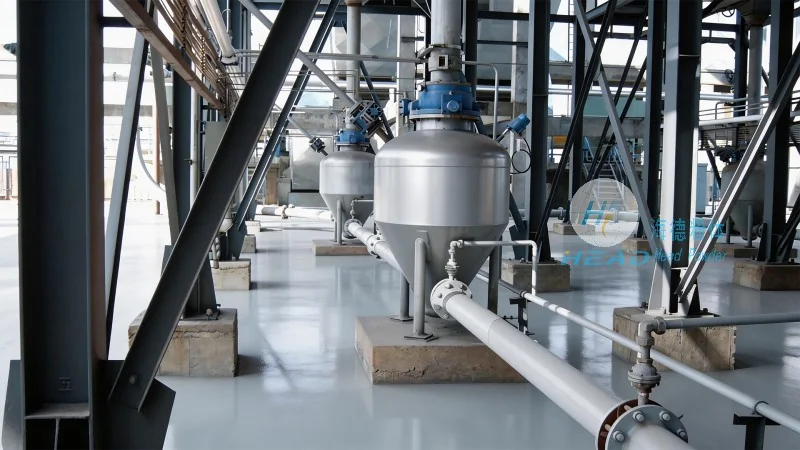
A Lysine pneumatic conveying system is a type of material handling equipment that uses compressed air or other gases to transport dry bulk materials, such as Lysine powder, from one location to another. Unlike traditional mechanical conveyors, pneumatic systems offer advantages like flexibility in layout, ability to handle abrasive or corrosive materials, and reduced risk of product contamination. The core components of a typical Lysine pneumatic conveying system include a hopper for material storage, a feeder to control the flow rate, a conveying line (usually a pipe), a compressor to generate the air pressure, and a receiver to collect the material at the destination.
Design Principles of Lysine Pneumatic Conveying Systems
The design of a Lysine pneumatic conveying system is tailored to meet specific operational requirements, including material characteristics, distance of transport, and desired flow rate. Several key principles guide the design process:
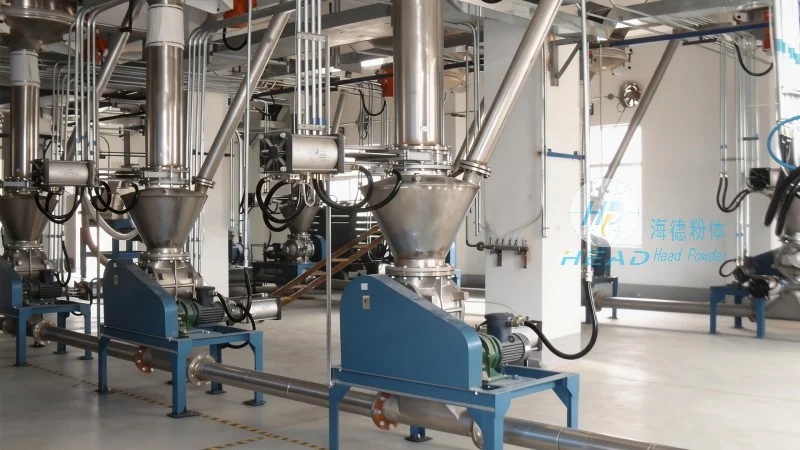
- Material Properties Consideration: Lysine powder is typically fine and can be prone to caking or bridging. The system design must account for these properties by incorporating features like agitators or vibrators in the hopper to prevent material buildup and ensure smooth flow.
- Pressure and Flow Rate Optimization: The air pressure and flow rate are critical parameters that affect the conveying efficiency. Higher pressure can increase the conveying capacity but may also lead to higher energy consumption and potential equipment wear. Engineers must balance these factors to achieve optimal performance.
- System Layout and Pipeline Design: The layout of the conveying line, including the number of bends, vertical and horizontal sections, and the diameter of the pipes, significantly impacts the system's efficiency. Proper design minimizes pressure drop and ensures consistent material transport.
- Filter and Cleaning Systems: To maintain product purity and prevent dust accumulation, the system includes filtration and cleaning mechanisms. These components are essential for maintaining the quality of Lysine and ensuring compliance with industry standards.
HeadPowder's Expertise in Lysine Pneumatic Conveying Systems
Shandong HeadPowder Engineering Co., Ltd. leverages years of experience and advanced technology to design and manufacture high-quality Lysine pneumatic conveying systems. The company's team of engineers and technicians works closely with clients to understand their specific needs and develop customized solutions. By adhering to strict quality control standards and using durable materials, HeadPowder ensures that its systems are reliable, efficient, and meet the highest industry standards.
Key Features of HeadPowder's Lysine Pneumatic Conveying Systems
HeadPowder's Lysine pneumatic conveying systems are equipped with several features that enhance their performance and durability:
- Advanced Control Systems: The systems are equipped with intelligent control panels that allow for real-time monitoring of pressure, flow rate, and material level. This enables operators to adjust the system parameters as needed to optimize performance.
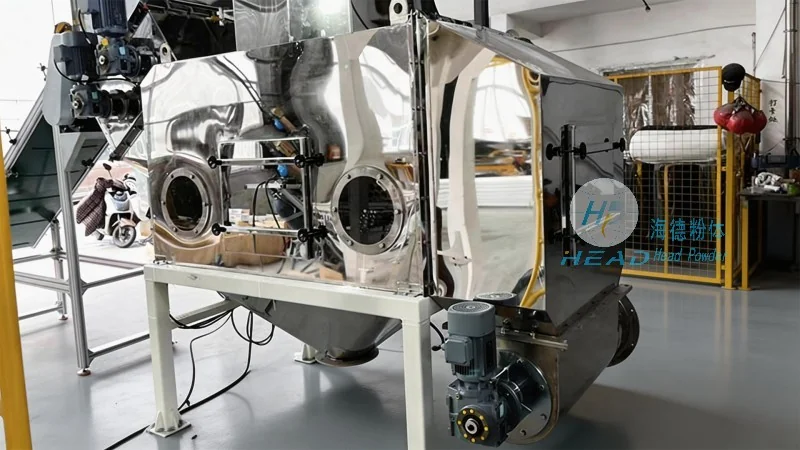
- Corrosion-Resistant Materials: Given that Lysine is often used in pharmaceutical and food applications, the conveying components are made from materials that resist corrosion and contamination, such as stainless steel or specialized coatings.
- Energy-Efficient Compressors: The use of energy-efficient compressors reduces operational costs and minimizes the environmental impact of the system.
- Easy Maintenance and Cleaning: The design of the system facilitates regular maintenance and cleaning, ensuring long-term reliability and product quality.
Conclusion
Lysine pneumatic conveying systems are essential for the efficient and safe handling of Lysine powder. By understanding the design principles and leveraging the expertise of manufacturers like HeadPowder, industries can optimize their production processes and ensure the quality of their products. The combination of advanced technology, careful design, and quality materials makes these systems a reliable choice for transporting Lysine and other fine powders.