

What is a Graphene Pneumatic Conveying System? And What Are Its Design Principles?
Graphene pneumatic conveying systems represent a sophisticated technology designed to transport fine powders, including graphene-based materials, through a pressurized air stream. This method offers a non-contact, efficient, and hygienic solution for handling delicate or sensitive powders like graphene, which is known for its exceptional strength, electrical conductivity, and thermal properties. The system's core function is to move these powders from a source to a destination without the need for mechanical components that might cause contamination or degradation.
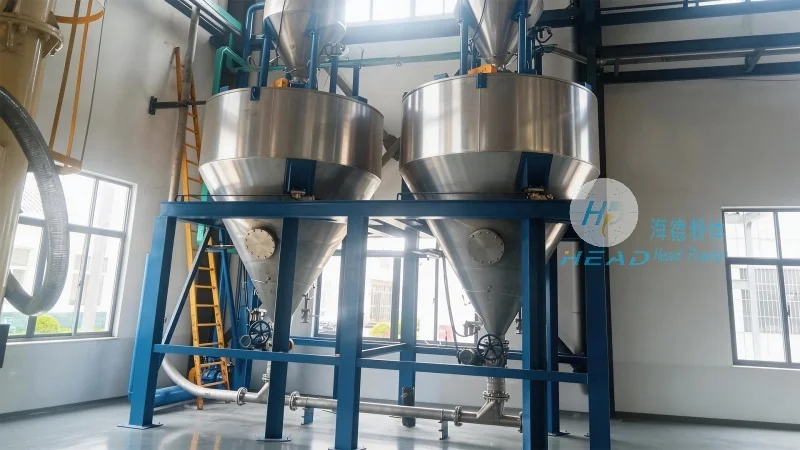
Understanding the Core Components of a Graphene Pneumatic Conveying System
A typical graphene pneumatic conveying system consists of several key components that work in tandem to ensure reliable operation. These include a material hopper or feeder, which holds the graphene powder; a compressor or blower that generates the necessary air pressure; a pipeline network that transports the powder-air mixture; and a receiver or discharge unit where the material is collected. Each component plays a critical role in maintaining the system's efficiency and the quality of the conveyed material.
The Design Principles Behind Efficient Graphene Pneumatic Conveying
The design of a graphene pneumatic conveying system is guided by several fundamental principles aimed at optimizing performance and minimizing issues such as clogging or material degradation. One key principle is the selection of appropriate air velocity and pressure. The air velocity must be high enough to keep the powder particles suspended in the air stream but not so high as to cause excessive wear on the system components or degrade the graphene's properties. The pressure level is also critical, as it determines the system's capacity and the distance over which the material can be conveyed.
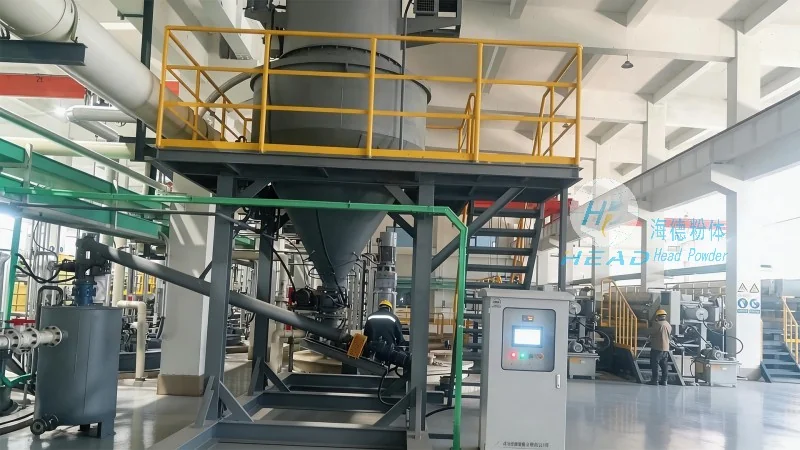
Another important design principle is the consideration of particle size and density. Graphene powders can vary significantly in particle size, and the system's design must account for these variations to ensure consistent conveying. For example, finer particles may require higher air velocities to remain suspended, while larger particles might need lower velocities to prevent clogging. The density of the graphene powder also affects the system's performance, as denser materials may require more pressure to achieve the desired conveying rate.
How Material Feeding and Control Affect System Performance
The method of material feeding is a critical aspect of graphene pneumatic conveying system design. Proper feeding ensures a consistent flow of powder into the system, preventing surges or gaps that could disrupt the conveying process. Common feeding methods include rotary valves, screw feeders, or vibrating hoppers, each chosen based on the specific characteristics of the graphene powder and the system's requirements. The control system, which monitors and adjusts the feeding rate and air pressure, is essential for maintaining stable operation and preventing issues such as overloading or underloading.
The Role of Pipeline Design in Ensuring Reliable Conveying
The design of the pipeline network is another critical factor in the performance of a graphene pneumatic conveying system. The pipeline material must be chosen to avoid chemical reactions with the graphene powder and to minimize friction, which could cause particle degradation or system wear. Common materials for pipelines include stainless steel, polyethylene, or PTFE-coated tubes, depending on the specific application and the properties of the graphene being conveyed. The pipeline's diameter and length are also carefully considered, as they directly impact the system's pressure drop and conveying capacity.
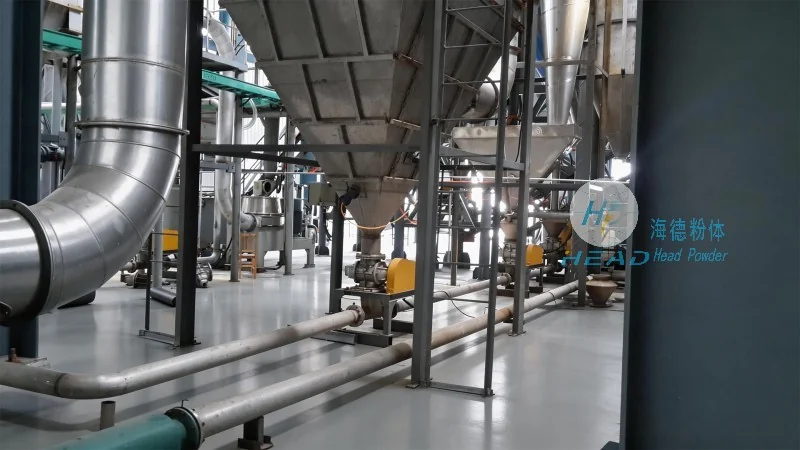
Ensuring Material Integrity and Preventing Contamination
Graphene is a highly valuable material, and maintaining its integrity during transportation is paramount. Pneumatic conveying systems are designed to minimize exposure to external factors that could degrade the material, such as moisture, oxygen, or mechanical stress. The system's components are often made of materials that are inert to graphene, and the pipeline is typically sealed to prevent contamination from the environment. Additionally, the system may include features such as temperature control or moisture removal to further protect the material's properties.
About Shandong HeadPowder Engineering Co., Ltd.
Shandong HeadPowder Engineering Co., Ltd., commonly known as HeadPowder, is a leading manufacturer of advanced material handling solutions, including pneumatic conveying systems for graphene and other fine powders. With a strong focus on innovation and quality, HeadPowder has developed state-of-the-art systems that meet the demanding requirements of the graphene industry. The company is headquartered in Shandong, China, and serves clients worldwide with customized solutions tailored to their specific needs. HeadPowder's expertise in material handling technology ensures that their systems are reliable, efficient, and designed to maximize the value of graphene materials for various applications.