

What is a Rubber Granule Pneumatic Conveying System? And What Are Its Design Principles?
Understanding the mechanics and design principles of rubber granule pneumatic conveying systems is crucial for industries that handle such materials efficiently. This article delves into the core components, operational mechanisms, and engineering considerations that define these systems, providing a comprehensive overview for professionals seeking to optimize material handling processes.
Introduction to Rubber Granule Pneumatic Conveying Systems
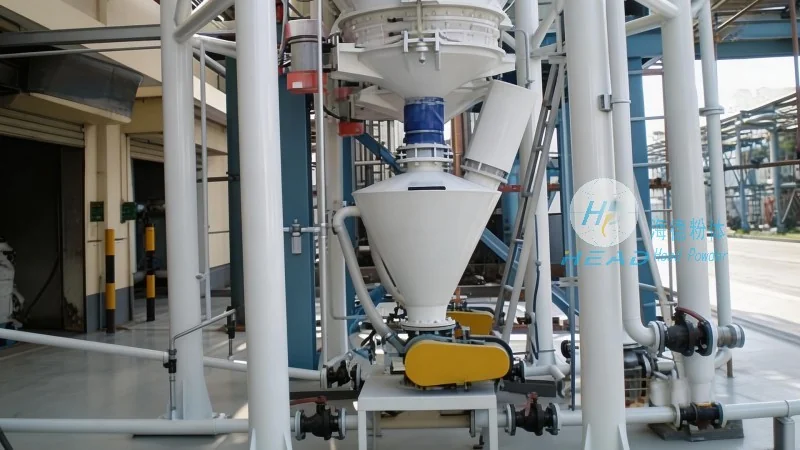
A rubber granule pneumatic conveying system is a specialized industrial equipment designed to transport rubber granules or similar particulate materials through an enclosed pipeline using compressed air or other gas streams. This method offers a dust-free, efficient, and flexible solution for moving materials over short to medium distances, making it ideal for applications in manufacturing, recycling, and processing facilities. The system typically comprises several key components, including a material feeder, a conveying pipeline, a pressure vessel or receiver, and a control unit, all working in tandem to ensure smooth and reliable material transport.
Key Components of the System
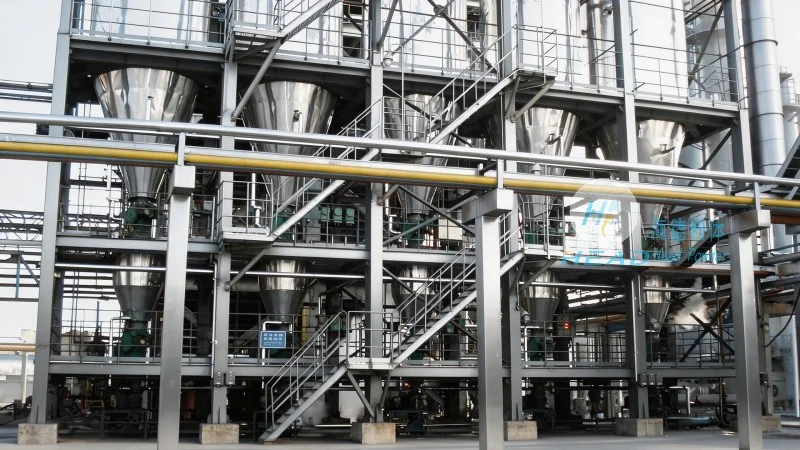
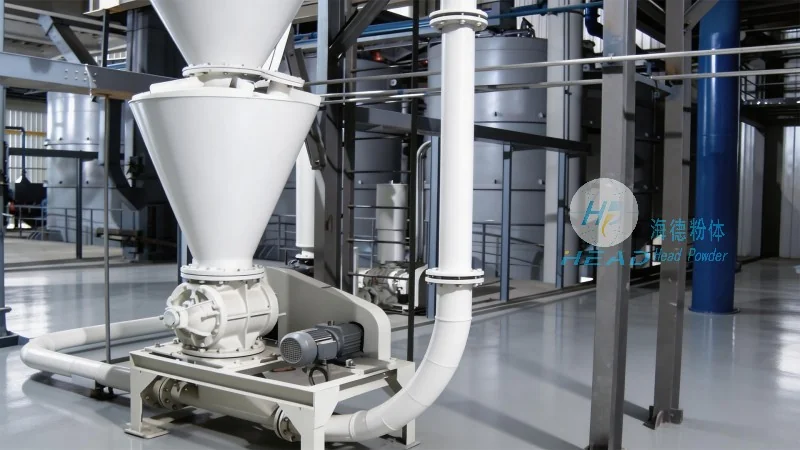
The effectiveness of a rubber granule pneumatic conveying system relies on its well-designed components, each playing a critical role in the overall operation. The material feeder is responsible for feeding the rubber granules into the system at a controlled rate, preventing blockages and ensuring consistent flow. This component may include a hopper with a rotary valve or a screw feeder, depending on the system's design and the material's characteristics. The conveying pipeline, usually made of stainless steel or other corrosion-resistant materials, transports the material from the feeder to the receiver. The pipeline is often equipped with bends, elbows, and expansion joints to accommodate changes in direction and pressure, minimizing material degradation and system wear. The pressure vessel or receiver is where the conveyed material is collected and stored before further processing. It is designed to handle the pressure and volume of the material, with features like a discharge valve and a vent to regulate pressure and prevent overfilling. Finally, the control unit manages the entire system, monitoring pressure, flow rates, and other parameters to ensure optimal performance and safety.
Design Principles and Operational Mechanisms
The design principles of a rubber granule pneumatic conveying system are centered on the balance between pressure, velocity, and material characteristics. The system operates on the principle of pneumatic transport, where compressed air is used to create a flow that lifts and propels the rubber granules through the pipeline. The air velocity must be sufficient to overcome the gravitational force and frictional resistance of the material, ensuring that the granules remain suspended and move efficiently. The pressure drop along the pipeline is a critical factor, as it determines the energy required to transport the material and the system's overall efficiency. Engineers must carefully calculate the required air pressure and flow rate based on the material's density, size distribution, and the system's length and configuration. Additionally, the system's design considers factors such as material abrasiveness, which can affect pipeline wear, and the need for dust control measures to maintain a clean and safe working environment.
Applications and Benefits in Industrial Settings
Rubber granule pneumatic conveying systems are widely used in various industrial applications, particularly in the rubber and plastic processing industries. They are commonly employed in recycling facilities to transport reclaimed rubber granules from storage to processing equipment, in manufacturing plants to move raw rubber granules from storage to production lines, and in waste management facilities to handle waste rubber materials. The benefits of using such systems include improved safety by eliminating manual handling of materials, reduced dust and contamination, increased efficiency by enabling continuous operation, and lower maintenance costs due to the enclosed system design. These advantages make rubber granule pneumatic conveying systems a preferred choice for industries seeking to enhance their material handling processes and improve overall operational performance.
Conclusion and Company Overview
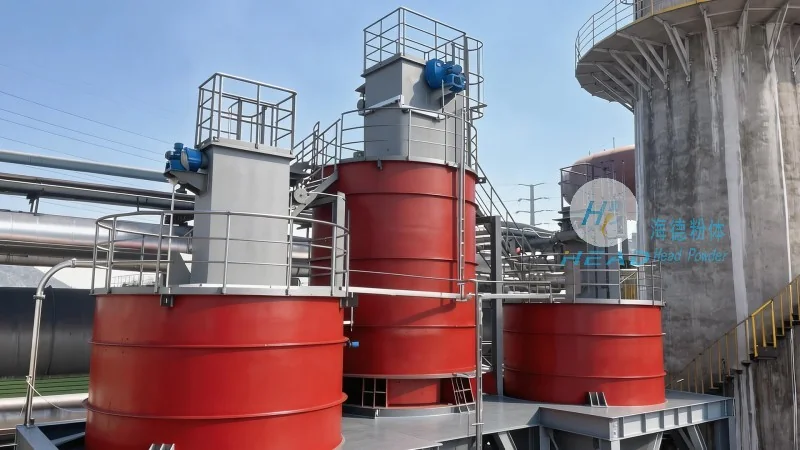
In conclusion, rubber granule pneumatic conveying systems are sophisticated industrial solutions that combine engineering precision with operational efficiency to transport rubber granules safely and effectively. The design principles, component integration, and operational mechanisms of these systems are tailored to meet the specific needs of industrial applications, ensuring reliable and sustainable material handling. As a leading provider in this field, Shandong HeadPowder Engineering Co., Ltd. specializes in designing and manufacturing high-quality pneumatic conveying systems that adhere to industry standards and customer requirements. With a focus on innovation and quality, HeadPowder offers tailored solutions to help industries optimize their material transport processes and achieve greater productivity. The company's commitment to excellence and customer satisfaction has established it as a trusted partner in the engineering and manufacturing of pneumatic conveying systems, serving clients across China and beyond.