

What is an arsenic trioxide pneumatic conveying line? What are its design principles?
Arsonic trioxide, also known as arsenic(III) oxide, is a toxic inorganic compound widely used in industrial applications such as glass manufacturing, electronics, and pharmaceuticals. The safe and efficient handling of this hazardous material is crucial, and pneumatic conveying systems have emerged as a preferred method for transporting arsenic trioxide due to their ability to handle fine powders and minimize exposure risks. This article explores the concept of an arsenic trioxide pneumatic conveying line and delves into the core design principles that ensure its safe and effective operation.
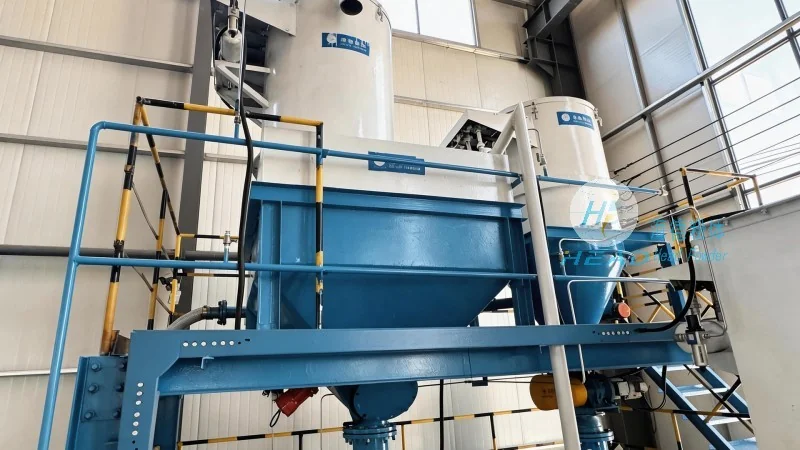
Introduction to Arsenic Trioxide Pneumatic Conveying Lines
Arsenic trioxide pneumatic conveying lines are specialized systems designed to transport fine powders of arsenic trioxide through a network of pipes using a pressurized gas stream. Unlike traditional mechanical conveying methods, which rely on belts or buckets, pneumatic conveying utilizes air or other gases to move the material, offering advantages such as reduced contamination, lower maintenance, and the ability to handle materials that are difficult to transport by other means. The system typically consists of a blower or compressor to generate the necessary airflow, a series of pipes to direct the material, and a collection or discharge unit to receive the conveyed material. The design of these systems must account for the unique properties of arsenic trioxide, including its high reactivity, toxicity, and tendency to agglomerate, to ensure safe and efficient operation.
Design Principles of Arsenic Trioxide Pneumatic Conveying Systems
The design of an arsenic trioxide pneumatic conveying line is governed by several key principles aimed at maintaining safety, efficiency, and material integrity. First, the system must ensure adequate airflow to maintain a stable and consistent conveying velocity. The velocity of the gas stream is critical; it must be high enough to prevent material settling or clogging but low enough to avoid excessive wear on the pipes and components. Typically, the conveying velocity is set between 20 to 30 meters per second, depending on the particle size and density of the arsenic trioxide. Second, the system incorporates appropriate separation and filtration equipment to prevent the release of dust or particles into the environment. This includes cyclone separators and bag filters that capture any fine particles before they are discharged from the system. Third, the design considers the material's chemical properties, such as its reactivity with moisture or other substances, by using corrosion-resistant materials like stainless steel or special coatings for the pipes and components. Additionally, the system must include safety features like pressure relief valves and explosion-proof designs to mitigate risks associated with the handling of toxic powders.
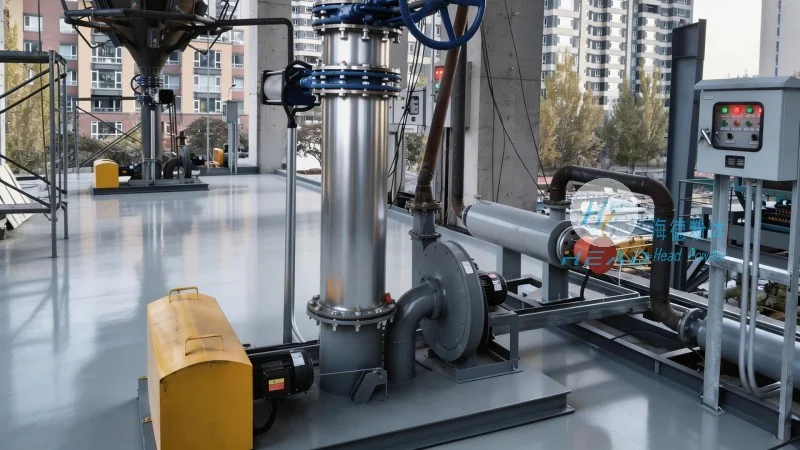
Key Components and Their Function in the System
The effectiveness of an arsenic trioxide pneumatic conveying line depends on the proper integration of several key components. The primary component is the blower or compressor, which generates the pressurized air required to move the material. This equipment must be capable of delivering sufficient airflow and pressure to overcome the resistance of the pipe network and the material's density. The pipe system itself is designed with smooth, corrosion-resistant surfaces to minimize friction and particle buildup. Elbows, bends, and other fittings are strategically placed to maintain the conveying velocity and prevent blockages. The system also includes a hopper or feeder to introduce the arsenic trioxide into the pipeline, ensuring a consistent feed rate. At the receiving end, a cyclone separator or a baghouse filter is used to separate the material from the air stream, allowing the arsenic trioxide to be collected in a safe container. Control valves and regulators are integrated to adjust the airflow and pressure as needed, ensuring optimal performance under varying conditions. Shandong HeadPowder Engineering Co., Ltd., a leading manufacturer in the field, specializes in designing and manufacturing these components to meet the specific requirements of arsenic trioxide handling applications.
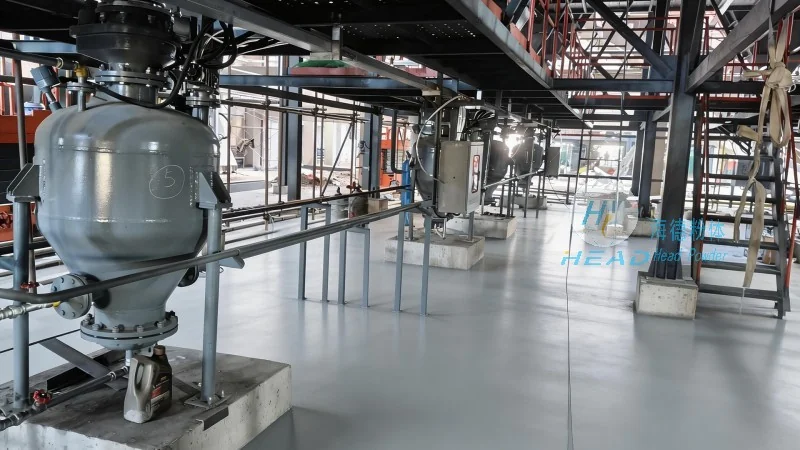
Application Scenarios and Operational Considerations
Arsenic trioxide pneumatic conveying lines are commonly used in industrial settings where the material needs to be transported from a storage silo to a processing unit or from one production line to another. For example, in glass manufacturing, arsenic trioxide is used as a colorant and is conveyed from a storage tank to a melting furnace. In pharmaceutical production, it may be transported to a mixing or compounding area. The operational considerations for these systems include maintaining proper moisture levels to prevent agglomeration, monitoring the system for any signs of clogging or pressure drops, and ensuring that all personnel are properly trained on the safe handling of arsenic trioxide. Regular maintenance, such as cleaning the filters and checking the blower performance, is essential to keep the system running efficiently and safely. The system must also comply with local regulations regarding the handling of hazardous materials, including proper ventilation and waste disposal procedures.
About Shandong HeadPowder Engineering Co., Ltd.
Shandong HeadPowder Engineering Co., Ltd. is a professional company based in China, specializing in the design, manufacturing, and installation of pneumatic conveying systems for various industrial applications. With years of experience in the field, the company has developed expertise in handling hazardous materials like arsenic trioxide, ensuring that their systems meet the highest safety and performance standards. HeadPowder engineers work closely with clients to understand their specific needs and design customized solutions that optimize material transport while minimizing risks. The company's commitment to quality and safety has made it a trusted partner for many industries, providing reliable and efficient pneumatic conveying solutions that enhance operational efficiency and protect the environment and personnel. HeadPowder's team of experts continuously updates their knowledge and technology to stay ahead in the industry, ensuring that their clients receive the best possible service and products for their arsenic trioxide handling requirements.