

What is a PTFE Pneumatic Conveying Line? And What Are Its Design Principles?
For industries dealing with powders and granules, efficient material handling is crucial. Among the various solutions available, PTFE (Polytetrafluoroethylene) pneumatic conveying systems stand out due to their unique properties and reliability. This article explores what these systems are and the fundamental design principles that govern their operation.
Understanding PTFE Pneumatic Conveying Systems
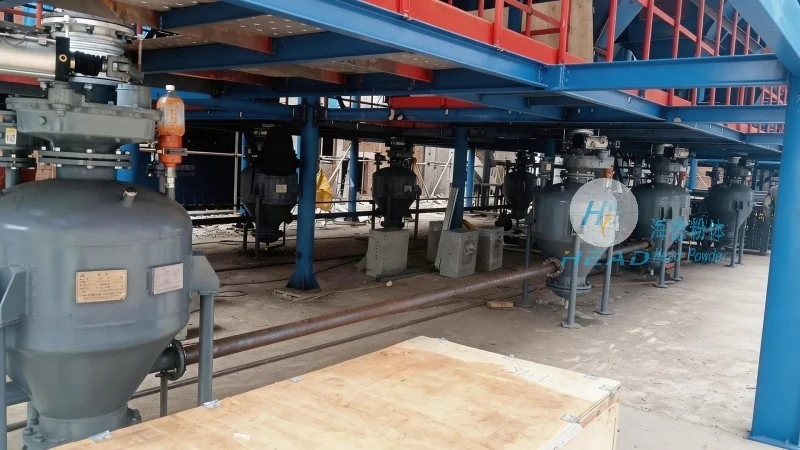
A PTFE pneumatic conveying line is a specialized system designed to transport bulk materials like powders, granules, or fine particles through an enclosed pipeline using compressed air or other gases. The system leverages the principles of fluid dynamics to move materials from one location to another without the need for mechanical components like belts or buckets. This method is particularly advantageous for materials that are abrasive, corrosive, or sensitive to contamination, as PTFE offers excellent chemical resistance and low friction properties.
The Role of PTFE in Material Handling
PTFE, commonly known as Teflon, is a high-performance fluoropolymer that provides exceptional non-stick, low-friction, and chemical-resistant surfaces. In pneumatic conveying systems, PTFE components such as tubing, valves, and fittings are used to ensure smooth material flow and prevent material buildup or degradation. The material's ability to resist high temperatures and harsh chemicals makes it ideal for handling a wide range of substances, from food-grade powders to industrial chemicals.
Core Design Principles of PTFE Pneumatic Conveying Systems
The design of a PTFE pneumatic conveying system is based on several key principles to ensure optimal performance and longevity. These include:
1. Air Velocity and Pressure Management: The system operates by creating a pressure differential between the inlet and outlet. The velocity of the air or gas is carefully controlled to ensure that the material is fully suspended and transported without causing excessive wear on the system components. Proper pressure management is critical to prevent material degradation and maintain system efficiency.
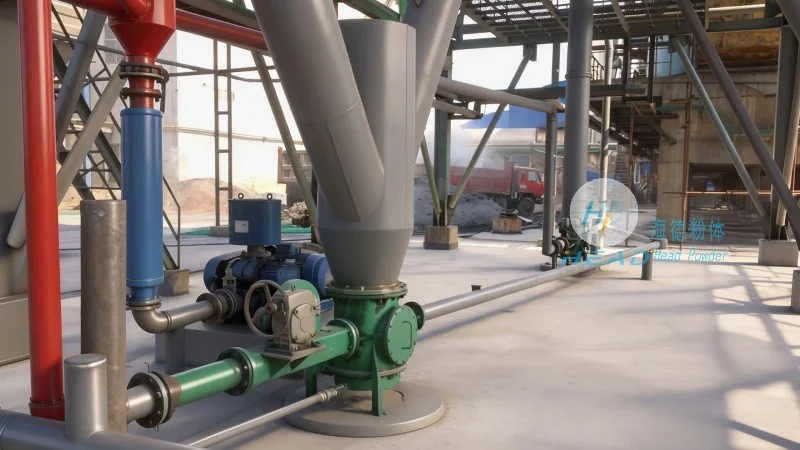
2. Pipeline Sizing and Configuration: The diameter and length of the conveying pipeline are determined based on the material's properties, such as particle size, density, and flow characteristics. The system may include bends, elbows, and other components that are designed to minimize pressure losses and maintain consistent material flow. PTFE's low friction coefficient helps reduce energy consumption and extends the lifespan of the pipeline.
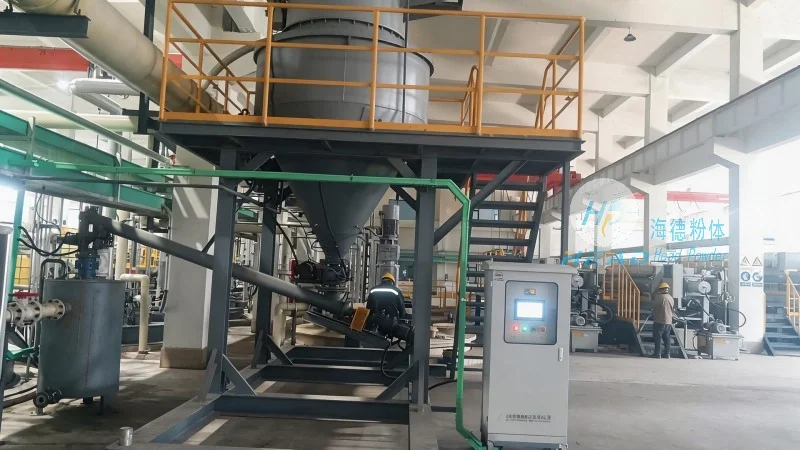
3. Material Handling and Separation: The system may incorporate features like cyclones or filters to separate the conveyed material from the air stream. These components are designed to handle the specific characteristics of the material being transported, ensuring that the material is delivered to its destination without loss or contamination. The use of PTFE in these components ensures that the material remains free from any residues or contaminants.
Applications and Benefits of PTFE Pneumatic Conveying Systems
PTFE pneumatic conveying systems are widely used in various industries, including pharmaceuticals, food processing, chemical manufacturing, and mining. The benefits of these systems include:
1. Hygienic and Non-Stick Properties: PTFE surfaces are easy to clean and maintain, making them suitable for food and pharmaceutical applications where hygiene is paramount. The non-stick nature of PTFE prevents material buildup, reducing the risk of contamination and ensuring product quality.
2. Chemical Resistance: PTFE can withstand exposure to a wide range of chemicals, including acids, bases, and solvents. This makes the system ideal for handling corrosive materials without degradation or damage to the components.
3. Low Maintenance and Longevity: Due to PTFE's low friction and resistance to wear, the system requires minimal maintenance and has a long operational life. This reduces downtime and operational costs for businesses.
Conclusion
PTFE pneumatic conveying systems represent a sophisticated solution for efficient and reliable material handling. By understanding the design principles and leveraging the unique properties of PTFE, these systems provide a robust and versatile method for transporting bulk materials. For industries seeking to optimize their material handling processes, PTFE pneumatic conveying systems offer a durable and effective solution.