

What is an Intermittent Pneumatic Conveyor? Understanding Its Design Principles
Intermittent pneumatic conveyors are specialized pneumatic systems engineered to transport bulk materials in a controlled, periodic manner. These systems are integral to various industrial processes, offering efficient and safe material handling solutions across sectors like food processing, pharmaceuticals, and chemical manufacturing. Understanding the fundamental operation and design principles of such equipment is essential for selecting the right technology to meet specific material handling requirements.
Definition and Core Function of Intermittent Pneumatic Conveyors
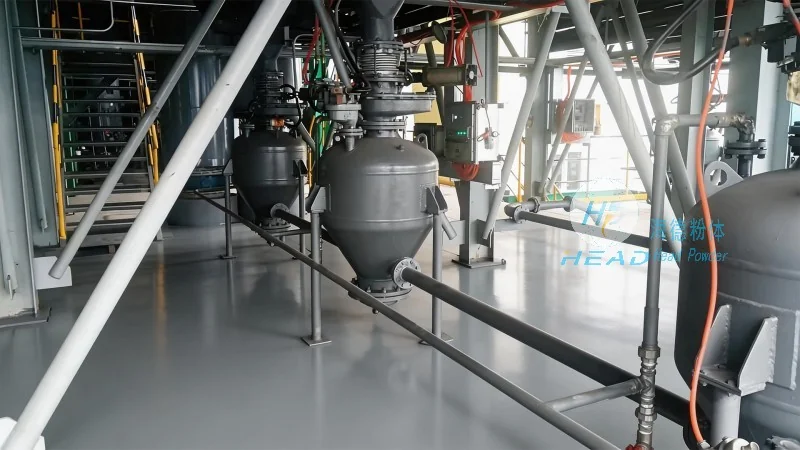
An intermittent pneumatic conveyor operates by delivering short bursts of compressed air to move material through a pipeline. Unlike continuous systems that maintain a steady air flow, these conveyors use intermittent air pressure pulses to propel material. This approach allows for precise control over material movement, making them suitable for handling materials with varying properties, such as moisture content, particle size, or flowability. The system's design ensures that material is conveyed in discrete batches, reducing the risk of clogging and enabling better control over the material's trajectory.
Key Design Principles and Engineering Considerations
The design of an intermittent pneumatic conveyor is guided by several critical principles that optimize performance and reliability. These include the selection of appropriate air pressure levels, the configuration of the pipeline network, and the integration of components like airlocks, cyclones, and receivers. Engineers must consider the material's physical characteristics—such as density, abrasiveness, and potential for dust generation—to tailor the system's design. For instance, materials prone to caking may require additional agitation or specialized hopper designs to maintain flowability. The system's layout also impacts energy efficiency, with shorter pipelines and optimized air pressure reducing operational costs.
Components and Working Mechanism
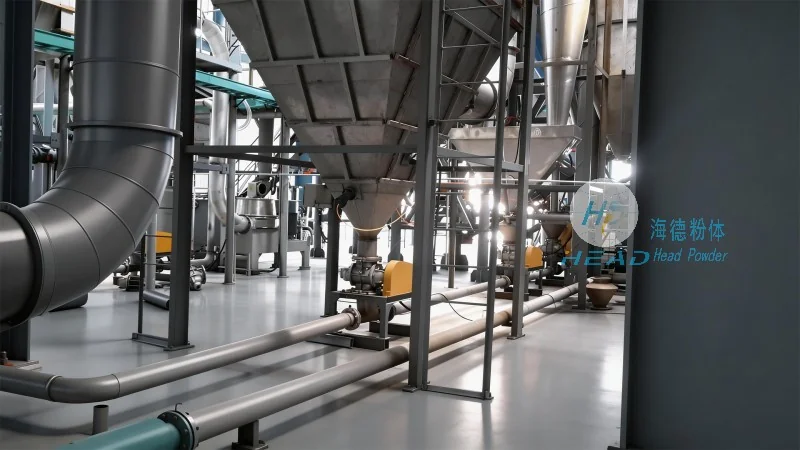
The core components of an intermittent pneumatic conveyor typically consist of a hopper for material storage, an airlock to regulate material discharge, a pipeline system, and a receiver for the discharged material. The operation begins with material being fed into the hopper. When the system is activated, the airlock opens, allowing a controlled quantity of material to enter the pipeline. Simultaneously, compressed air is introduced in short intervals, creating a pressure differential that propels the material forward. The process repeats until the hopper is emptied or the desired amount of material is conveyed. The airlock plays a crucial role in preventing backflow and maintaining material integrity during the transfer.
Advantages and Typical Applications
Intermittent pneumatic conveyors offer several advantages over alternative material handling methods. Their enclosed design minimizes dust emissions and enhances workplace safety, making them ideal for handling sensitive or hazardous materials. The system's ability to handle a wide range of materials—from powders and granules to bulk solids—provides versatility across industries. Common applications include the transport of food products, pharmaceutical ingredients, chemicals, and industrial raw materials in manufacturing and processing facilities. These systems are particularly useful in environments where hygiene and material purity are paramount, such as in the food and pharmaceutical sectors.
Customization and Engineering Solutions by Shandong HeadPowder Engineering Co., Ltd.
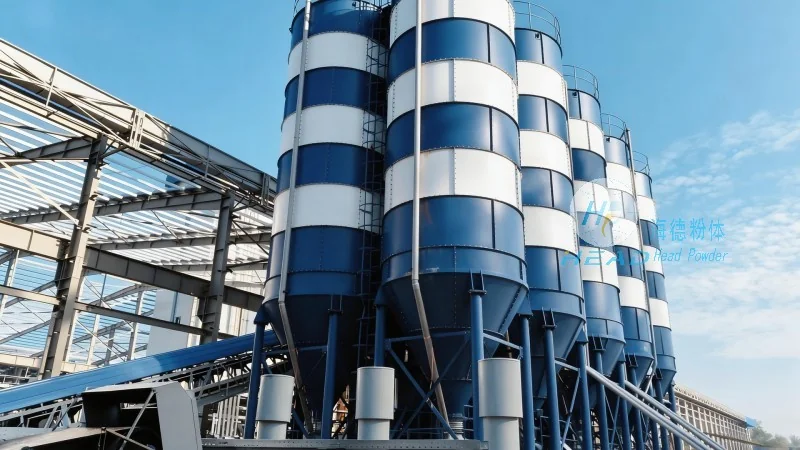
Given the diverse nature of material handling challenges, intermittent pneumatic conveyors are often customized to meet specific client needs. Shandong HeadPowder Engineering Co., Ltd., a leading provider of engineering and material handling solutions, specializes in designing and manufacturing tailored systems. The company's team of engineers collaborates closely with clients to assess operational requirements, material properties, and site constraints. By leveraging advanced engineering techniques and material science expertise, HeadPowder develops solutions that optimize performance, reduce energy consumption, and ensure compliance with industry standards. The company's headquarters are located in Shandong, China, where it operates a state-of-the-art manufacturing facility to produce high-quality conveyor systems.
Conclusion
Intermittent pneumatic conveyors represent a sophisticated and efficient solution for bulk material transport. By adhering to design principles that prioritize material control, energy efficiency, and safety, these systems enhance productivity and operational reliability across various industries. With companies like Shandong HeadPowder Engineering Co., Ltd. providing expert engineering and manufacturing services, intermittent pneumatic conveyors continue to play a vital role in modern material handling processes, supporting the seamless flow of materials from production to delivery.