

What is a Gray Bin Pneumatic Conveying System? And What Are Its Design Principles?
Gray bin pneumatic conveying systems represent a sophisticated method for transporting bulk materials through an enclosed pipeline using air as the primary conveying medium. These systems are widely utilized across various industries due to their efficiency, flexibility, and ability to handle a broad range of materials. Understanding the core components and design principles of such systems is essential for optimizing material handling processes and ensuring operational reliability.
Introduction to Gray Bin Pneumatic Conveying Systems
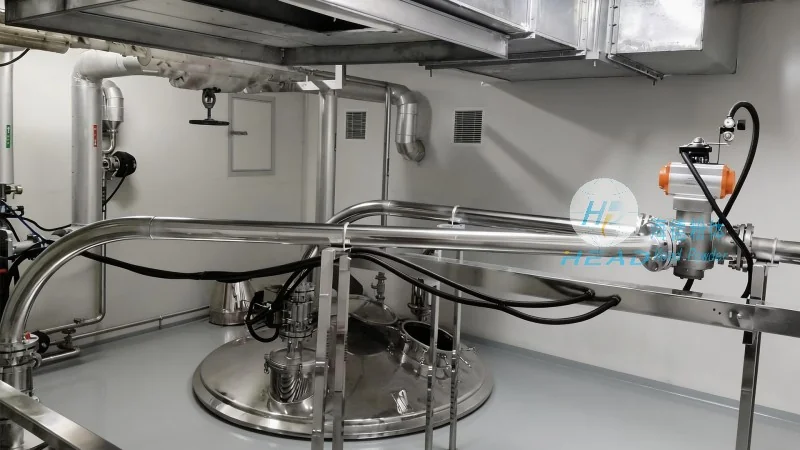
A gray bin, often referred to as a hopper or storage silo, serves as the primary storage and feeding unit in a pneumatic conveying system. The bin is typically made of durable materials like steel or stainless steel, designed to withstand the pressures and stresses associated with material storage and discharge. The design of the gray bin is critical as it directly impacts the flow characteristics of the material being conveyed. Proper bin geometry, including the hopper angle and outlet size, ensures that material flows smoothly and consistently, minimizing blockages and ensuring a steady supply to the conveying system.
The Role of the Conveying Pipeline and Airflow
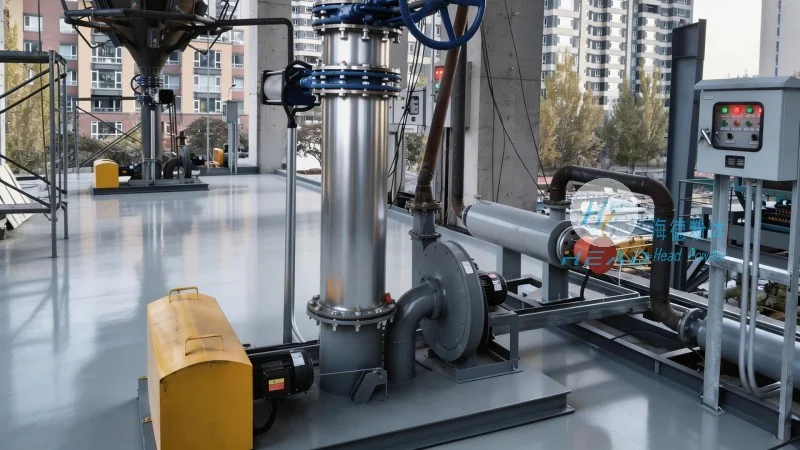
The conveying pipeline is the backbone of the pneumatic system, transporting material from the gray bin to the discharge point. The pipeline is usually made of corrosion-resistant materials like stainless steel or PVC, chosen based on the material being conveyed and the operating environment. The design of the pipeline includes bends, elbows, and straight sections, each contributing to the overall pressure drop and material flow. Airflow is generated by a blower or compressor, which creates a pressure differential that propels the material through the pipeline. The velocity of the air and the material's particle size and density determine the conveying capacity and efficiency of the system. Proper airflow management is crucial to prevent material degradation, clogging, or excessive energy consumption.
Design Principles and Key Components
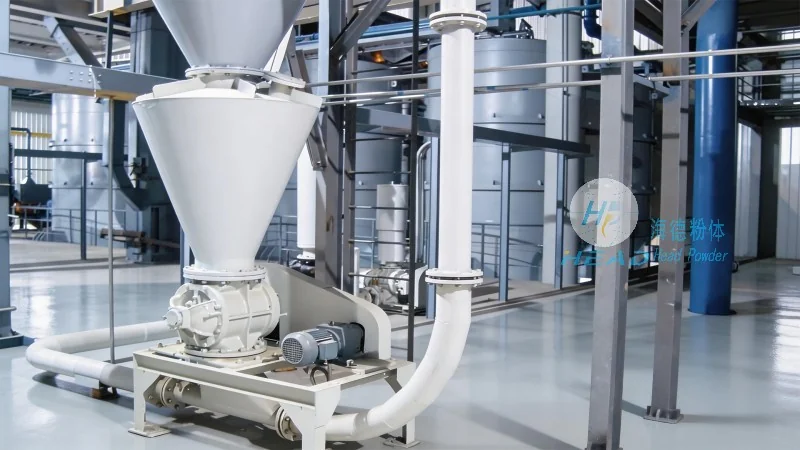
The design of a gray bin pneumatic conveying system involves several key principles aimed at maximizing efficiency and reliability. These include: material flow optimization, pressure management, and system integration. The material flow optimization focuses on ensuring that the material flows freely from the bin into the pipeline without bridging or rat-holing. This is achieved through appropriate bin design, such as using a conical hopper with a sufficient slope and incorporating a feeder or rotary valve at the outlet. Pressure management is critical to maintain the required air pressure while minimizing energy consumption. The system typically includes a pressure regulator and a filter to ensure clean air and stable pressure. System integration involves coordinating the bin, pipeline, and air supply components to work in harmony, ensuring smooth material transfer and operational efficiency.
Applications and Industry Use Cases
Gray bin pneumatic conveying systems are employed in a variety of industries, including food processing, pharmaceuticals, chemicals, and minerals. In the food industry, these systems are used to transport bulk ingredients like flour, sugar, and grains, ensuring hygienic and efficient handling. In pharmaceutical applications, the systems are designed to meet stringent cleanliness and safety standards, preventing contamination and ensuring product integrity. In chemical processing, the systems handle various powders and granules, providing a safe and controlled method of material transfer. The versatility of the gray bin system makes it suitable for a wide range of applications, from small-scale operations to large industrial facilities.
Advantages of Gray Bin Pneumatic Conveying Systems
There are several advantages to using gray bin pneumatic conveying systems over traditional methods like belt conveyors or bucket elevators. These include: reduced material handling time, improved safety, and lower maintenance costs. The enclosed pipeline design minimizes dust and contamination, making it ideal for handling sensitive materials. The system is also more flexible, allowing for changes in material flow direction and capacity without major modifications. Additionally, the use of air as the conveying medium reduces the risk of material degradation and spoilage, which is particularly important in industries like food and pharmaceuticals.
Company Overview: Shandong HeadPowder Engineering Co., Ltd.
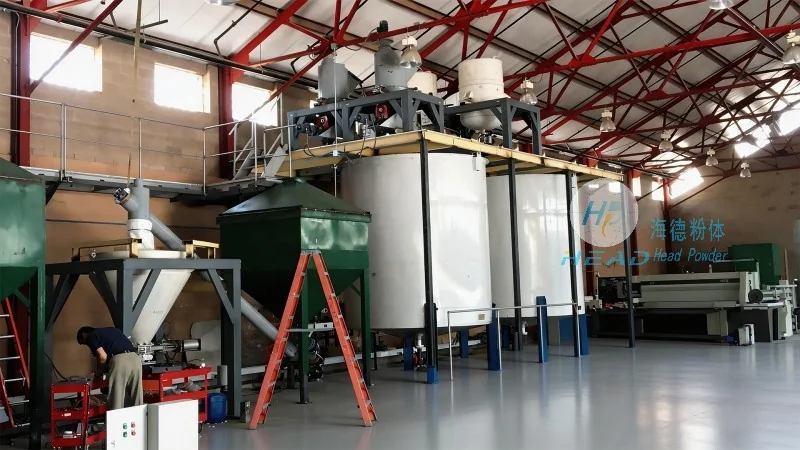
Shandong HeadPowder Engineering Co., Ltd., commonly known as HeadPowder, is a leading manufacturer and supplier of pneumatic conveying systems and related equipment. With a strong focus on innovation and quality, HeadPowder has established itself as a trusted partner in the material handling industry. The company specializes in designing and manufacturing custom gray bin pneumatic conveying systems tailored to the specific needs of its clients. HeadPowder's team of engineers and technicians work closely with customers to understand their material handling challenges and develop solutions that enhance efficiency and productivity. The company's commitment to quality is reflected in its adherence to international standards and rigorous testing procedures, ensuring that every system meets the highest performance and safety requirements.
Conclusion and Future Trends
Gray bin pneumatic conveying systems continue to be a vital component in modern material handling operations, offering efficient and reliable solutions for transporting bulk materials. As technology advances, there is a growing emphasis on optimizing system performance and reducing environmental impact. Future trends may include the integration of advanced sensors and automation to monitor system performance in real-time and adjust airflow and material flow parameters dynamically. Additionally, the development of more energy-efficient blowers and compressors will further enhance the sustainability of these systems. Despite these advancements, the fundamental design principles of gray bin pneumatic conveying systems remain consistent, focusing on material flow optimization, pressure management, and system reliability. For industries seeking to improve their material handling processes, the gray bin pneumatic conveying system remains a robust and effective solution.