

What is a Fish Meal Pneumatic Conveyor? And What Are Its Design Principles?
For those in the animal feed or aquaculture industries, understanding the technology behind efficient material handling is crucial. A fish meal pneumatic conveyor is a specialized system designed to transport fish meal—a high-protein feed ingredient—through a pipeline using air pressure. This equipment is vital for maintaining hygiene, ensuring consistent product quality, and optimizing production lines in processing facilities.
Understanding the Fish Meal Pneumatic Conveyor
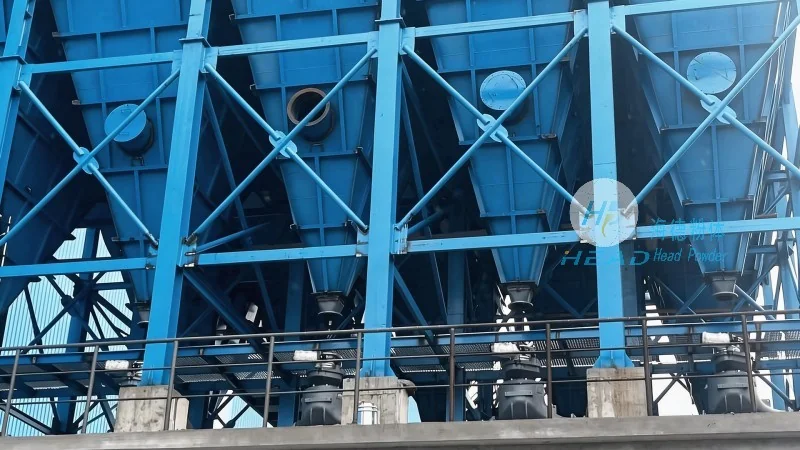
The fish meal pneumatic conveyor, also known as a pneumatic conveyor system, is an enclosed or semi-enclosed device that moves bulk materials like fish meal through a pipeline by generating air flow. Unlike traditional mechanical conveyors, which rely on belts or buckets, pneumatic conveyors use air pressure to propel the material, making them ideal for handling fine, dusty, or hygienically sensitive products such as fish meal. The system typically consists of a hopper for material storage, a blower or air compressor to generate airflow, a pipeline network, and a discharge unit to release the material at the destination. This design minimizes contamination risks and prevents dust dispersion, which is critical in food processing environments.
Design Principles of the Fish Meal Pneumatic Conveyor
The design of a fish meal pneumatic conveyor is centered on several key principles to ensure efficient and reliable operation. First, the system must maintain a consistent air pressure and flow rate to move the material smoothly through the pipeline. This is achieved through a carefully calibrated blower or air compressor that can adjust its output based on the material's density and the pipeline length. Second, the pipeline design is critical; it must be sized appropriately to handle the material's flow characteristics, with smooth transitions and minimal bends to avoid blockages or material degradation. The use of flexible or rigid pipes, depending on the application, ensures durability and resistance to corrosion, which is essential for fish meal, a product prone to moisture and chemical reactions.
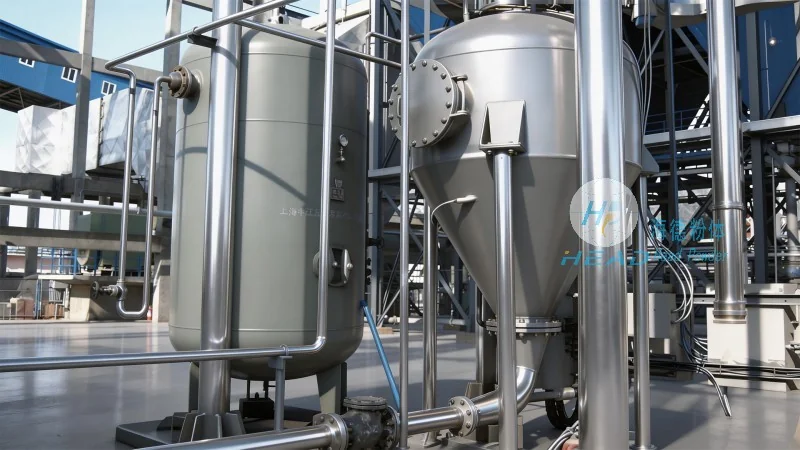
Third, the system incorporates features to control and monitor the operation. This includes pressure sensors to detect blockages or air leaks, and control valves to regulate airflow. Additionally, the design may include a filter system to capture dust particles, ensuring that the air discharged is clean and that the material remains free from contaminants. The discharge unit, often equipped with a rotary valve or a star feeder, controls the release of fish meal, preventing backflow and maintaining a steady output to downstream processes like mixing or packaging.
Key Components and Their Functions
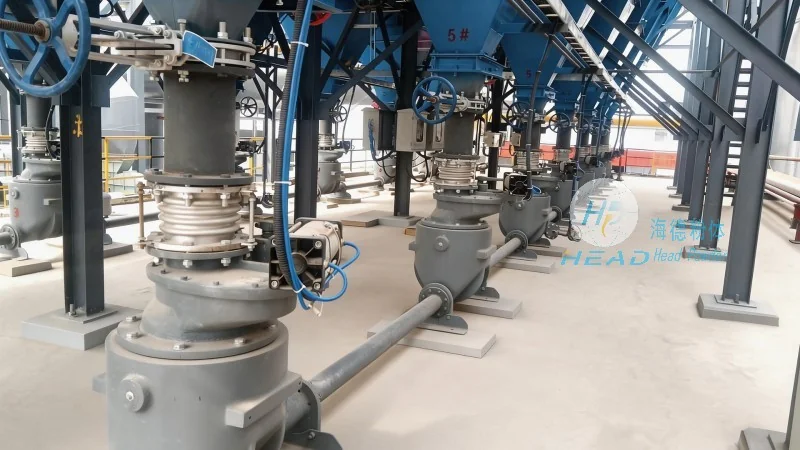
Several components work together to make the fish meal pneumatic conveyor functional. The hopper serves as the initial storage container, where fish meal is loaded and funneled into the pipeline. The blower or air compressor is the heart of the system, generating the necessary air pressure to move the material. The pipeline network connects the hopper to the discharge point, with branches for multiple destinations if needed. The discharge unit, such as a rotary valve, regulates the flow of fish meal out of the system, ensuring a controlled and consistent output. Each component is designed to withstand the corrosive nature of fish meal and the high-pressure air, with materials like stainless steel or corrosion-resistant alloys used in construction.
Benefits of Using a Fish Meal Pneumatic Conveyor
Implementing a fish meal pneumatic conveyor offers numerous advantages for processing facilities. First, it enhances hygiene by keeping the material enclosed and preventing dust from spreading, which is crucial for meeting food safety regulations. Second, it improves efficiency by automating the material handling process, reducing labor costs and minimizing downtime. The system also ensures consistent product quality by maintaining uniform moisture levels and preventing contamination from external sources. Additionally, the enclosed design reduces the risk of pest infestations and odor control issues, which are common in traditional open conveyors. For companies like Shandong HeadPowder Engineering Co., Ltd., based in China, these benefits align with their commitment to providing high-quality, reliable equipment for the animal feed industry.
Application in the Animal Feed Industry
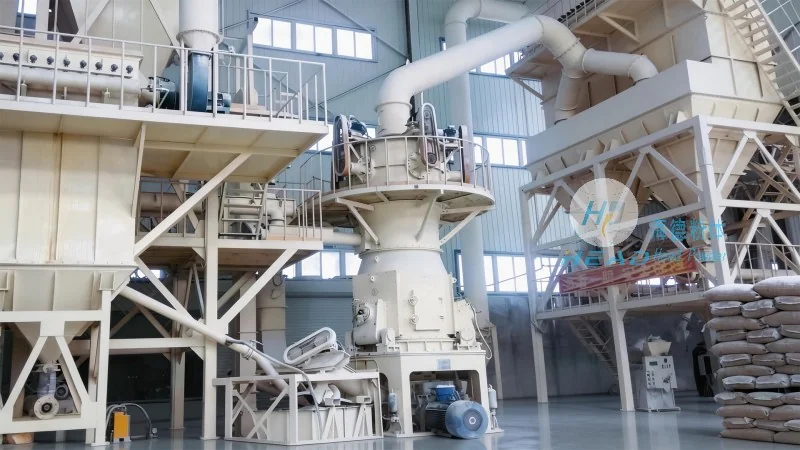
In the animal feed industry, fish meal is a valuable ingredient used in the production of pet food, livestock feed, and aquaculture feeds. The fish meal pneumatic conveyor is particularly useful in processing plants where fish meal is produced or blended with other ingredients. The system allows for seamless integration into existing production lines, enabling manufacturers to handle large volumes of fish meal efficiently. Whether used for transporting raw fish meal from storage to processing units or for delivering finished feed products to packaging areas, the pneumatic conveyor ensures a continuous and reliable flow of material. This is especially important in high-volume operations where downtime can lead to significant losses.
Conclusion
A fish meal pneumatic conveyor is a sophisticated piece of equipment that combines engineering principles with practical application to handle a critical feed ingredient. Its design focuses on efficiency, hygiene, and durability, making it an essential tool for modern processing facilities. Companies like Shandong HeadPowder Engineering Co., Ltd., based in China, specialize in manufacturing such systems, providing tailored solutions that meet the specific needs of their clients in the animal feed and aquaculture sectors. By understanding the design principles and benefits of this equipment, businesses can optimize their material handling processes and enhance overall operational performance.