

What is a Chromium(III) Oxide Pneumatic Conveyor? And What Are Its Design Principles?
Chromium(III) oxide, also known as Cr₂O₃, is a widely used inorganic compound with various industrial applications. In the context of material handling, a chromium(III) oxide pneumatic conveyor is a specialized equipment designed to transport this specific powder efficiently and safely. This article aims to explore what such a conveyor is and delve into its fundamental design principles, providing a comprehensive understanding for those interested in industrial powder handling solutions.
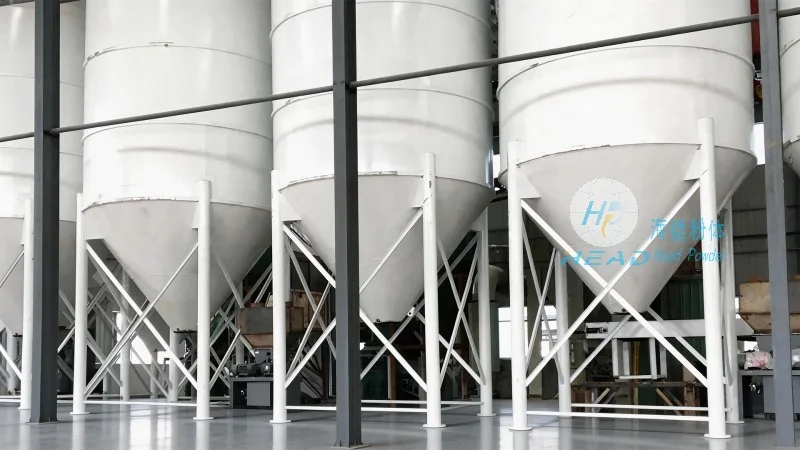
Understanding the Chromium(III) Oxide Pneumatic Conveyor
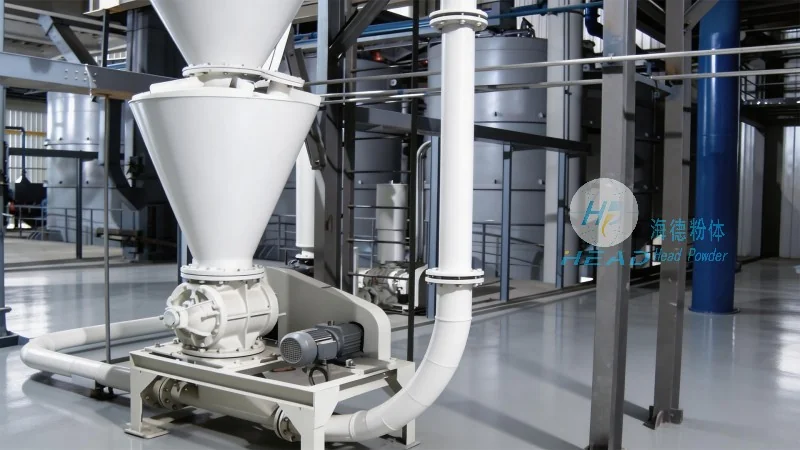
At its core, a chromium(III) oxide pneumatic conveyor is a system engineered to move Cr₂O₃ powder through a pipeline using air or other gas as the conveying medium. Unlike traditional mechanical conveyors, which rely on mechanical components like belts or screws, pneumatic conveyors utilize the force of air to transport the material. This method is particularly advantageous for handling fine powders like chromium(III) oxide, as it minimizes product degradation and contamination. The system typically consists of a hopper for material storage, a feeder to control the flow rate, a pipeline network, and a receiver for the discharged material. The entire setup is designed to ensure the safe and efficient transport of the powder, adhering to industrial standards for material handling.
Key Design Principles of the Pneumatic Conveyor
The design of a chromium(III) oxide pneumatic conveyor is guided by several critical principles to ensure optimal performance and safety. First, the system must be capable of handling the specific properties of Cr₂O₃, which includes its particle size distribution, moisture content, and potential reactivity. The conveyor's components, such as the hopper and feeder, are often constructed from materials that are resistant to corrosion and chemical interaction with the powder, ensuring longevity and reliability. Second, the air flow rate and pressure are carefully engineered to maintain a consistent conveying velocity, preventing issues like blockages or uneven flow. This is achieved through the use of appropriate air nozzles, valves, and pressure regulators. Third, the system incorporates safety features to prevent dust explosions, a common concern in powder handling. These may include explosion-proof designs, dust collection systems, and pressure relief valves. Additionally, the design considers the need for easy maintenance and cleaning, as the equipment must be kept free from powder buildup to maintain efficiency.

Components and Their Functions
Each component of the chromium(III) oxide pneumatic conveyor plays a vital role in the overall operation. The hopper serves as the storage container, holding the chromium(III) oxide powder until it is needed for transport. It is typically designed with a conical or rectangular shape to facilitate uniform material flow. The feeder, often a rotary valve or a screw feeder, controls the rate at which the powder is released into the pipeline. This is crucial for maintaining a steady flow and preventing overloading the system. The pipeline network connects the hopper, feeder, and receiver, and is usually made of materials like stainless steel or plastic, chosen for their resistance to corrosion and compatibility with the powder. The air supply system, including the compressor and air treatment units, provides the necessary pressure and clean air to drive the powder through the pipeline. The receiver, or discharge hopper, collects the conveyed powder and may include a discharge valve for controlled release. Finally, the control system monitors and regulates the operation of the conveyor, ensuring it runs smoothly and safely.
Advantages of Using a Chromium(III) Oxide Pneumatic Conveyor
Implementing a chromium(III) oxide pneumatic conveyor offers several advantages over traditional material handling methods. One of the primary benefits is the ability to transport the powder over long distances without the need for intermediate storage or transfer points. This reduces the risk of contamination and improves overall efficiency. Additionally, pneumatic conveyors are less prone to product degradation compared to mechanical conveyors, as the powder is not subjected to friction or impact. The system also allows for easy integration with other industrial processes, such as mixing or packaging, by connecting the receiver to downstream equipment. Furthermore, the design of the conveyor minimizes the need for manual handling, enhancing workplace safety and reducing labor costs. Overall, the use of a chromium(III) oxide pneumatic conveyor is a cost-effective and efficient solution for handling this specific powder in various industrial applications.
Applications in Industrial Settings
Chromium(III) oxide is commonly used in industries such as ceramics, pigments, and electronics. In these sectors, the pneumatic conveyor is essential for moving the powder from production areas to processing or packaging facilities. For example, in the ceramics industry, Cr₂O₃ is used as a pigment or a component in glazes, and the conveyor ensures it is transported to the kilns or mixing stations without any loss or contamination. In the pigment industry, the conveyor helps in transferring the powder to mixing equipment or storage tanks, maintaining the quality of the final product. Similarly, in the electronics industry, where chromium(III) oxide is used as a coating or a component in electronic devices, the conveyor facilitates the efficient movement of the powder to the manufacturing lines. The versatility of the pneumatic conveyor makes it suitable for various applications, ensuring that chromium(III) oxide can be handled safely and effectively in different industrial environments.
Conclusion
In summary, a chromium(III) oxide pneumatic conveyor is a specialized equipment designed to transport Cr₂O₃ powder efficiently and safely. Its design is based on several key principles, including the handling of the powder's properties, maintaining consistent air flow, and incorporating safety features. The system consists of various components, each playing a crucial role in the overall operation. The advantages of using such a conveyor include improved efficiency, reduced product degradation, and enhanced workplace safety. With its applications in various industries, the chromium(III) oxide pneumatic conveyor is an essential tool for handling this important powder. As a leading manufacturer in this field, Shandong HeadPowder Engineering Co., Ltd. specializes in providing high-quality pneumatic conveyor systems tailored to the specific needs of their clients, ensuring reliable and efficient material handling solutions.