

What is a Pearl Salt Granule Pneumatic Conveying Machine? And What Are Its Design Principles?
For industries dealing with bulk materials like pearl salt, efficient and reliable material handling is crucial. A key solution in this field is the pearl salt granule pneumatic conveying machine, a specialized equipment designed to transport granular materials through an air-driven system. This article explores what this machine is and delves into its core design principles, offering insights into its functionality and practical applications.
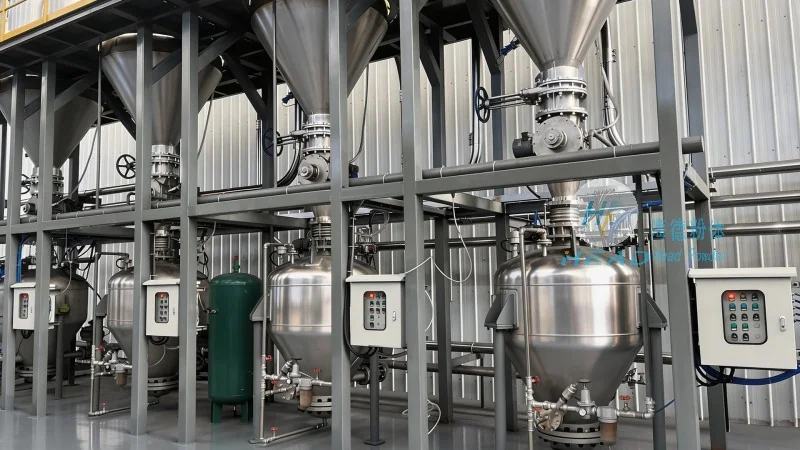
Pearl Salt Granule Pneumatic Conveying Machine: An Overview
The pearl salt granule pneumatic conveying machine, also known as a pneumatic conveyor, is a system that uses compressed air to move granular materials such as pearl salt from one location to another. Unlike traditional mechanical conveyors, this equipment relies on air pressure and flow to transport materials, making it ideal for applications where dust control, minimal product contamination, and flexibility are required. The machine typically consists of a hopper for material storage, a conveyor line, and a control system to regulate air flow and material movement. As a product of Shandong HeadPowder Engineering Co., Ltd., this equipment is engineered to meet the specific needs of the pearl salt industry, ensuring high efficiency and durability.
Design Principles of the Pearl Salt Granule Pneumatic Conveying Machine
The design of a pearl salt granule pneumatic conveying machine is based on several fundamental principles that ensure optimal performance. The first principle is the use of air as the conveying medium. By generating a controlled airflow, the machine creates a pressure differential that propels the granular material through the system. This approach allows for the transport of materials over long distances and through complex layouts without the need for multiple transfer points. The second key principle is the selection of appropriate components, including the material of construction for the hopper and conveyor line. Since pearl salt can be abrasive, the equipment is often made from corrosion-resistant materials like stainless steel or high-grade alloys to withstand wear and prevent contamination. Additionally, the design incorporates features such as air filters and moisture control systems to maintain the quality of the conveyed material. The third principle is the integration of a control system that monitors and adjusts air pressure, flow rate, and material feed rate. This ensures consistent performance and prevents issues like blockages or overloading, which can affect the efficiency of the conveying process.
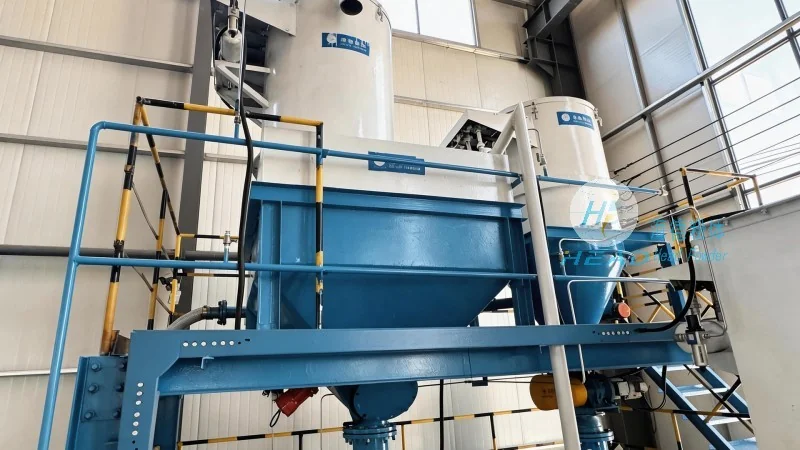
Key Components and Their Functions
To understand how the pearl salt granule pneumatic conveying machine operates, it is essential to examine its key components. The hopper serves as the storage container for the pearl salt, allowing for a continuous feed into the system. It is designed with a sloped bottom to facilitate the flow of material into the conveyor line. The conveyor line itself is a tube or pipe through which the compressed air and material travel. The design of the line, including its diameter and length, is critical for maintaining the air velocity necessary to keep the material suspended and moving. The air supply system, which includes a compressor and air filter, provides the necessary pressure and clean air to drive the conveying process. The control panel, equipped with sensors and valves, regulates the air flow and material feed, ensuring that the system operates within safe and efficient parameters. Each component works in harmony to create a seamless material handling solution for pearl salt production and processing.
Advantages of Using a Pearl Salt Granule Pneumatic Conveying Machine
Implementing a pneumatic conveying machine for pearl salt handling offers several advantages over traditional methods. One of the primary benefits is the ability to transport materials in a closed system, which significantly reduces dust emissions and improves workplace safety. This is particularly important in the pearl salt industry, where dust can be a health hazard and cause environmental issues. Another advantage is the minimal product contamination, as the equipment is designed to prevent cross-contamination between batches. The flexibility of the system allows for easy integration into existing production lines and the ability to adjust the conveying rate based on production needs. Additionally, the machine requires less maintenance compared to mechanical conveyors, as there are fewer moving parts that can wear out or break. The compact design of the equipment also saves space in industrial facilities, making it suitable for both large-scale and small-scale operations.
Applications in the Pearl Salt Industry
The pearl salt granule pneumatic conveying machine is widely used in various applications within the pearl salt industry. In production facilities, it is used to transport raw pearl salt from storage silos to processing equipment, such as grinders or mixers. The machine ensures a consistent and controlled feed of material, which is crucial for maintaining product quality and consistency. In packaging operations, the equipment is used to move finished pearl salt products from the production line to packaging machines, where they are sealed and labeled. The ability to handle large volumes of material efficiently makes the machine ideal for high-speed packaging lines. Additionally, the machine is used in quality control processes, where it can transport samples of pearl salt to testing equipment for analysis. The versatility of the pneumatic conveying system allows it to adapt to different stages of the pearl salt production process, from raw material handling to final product packaging.
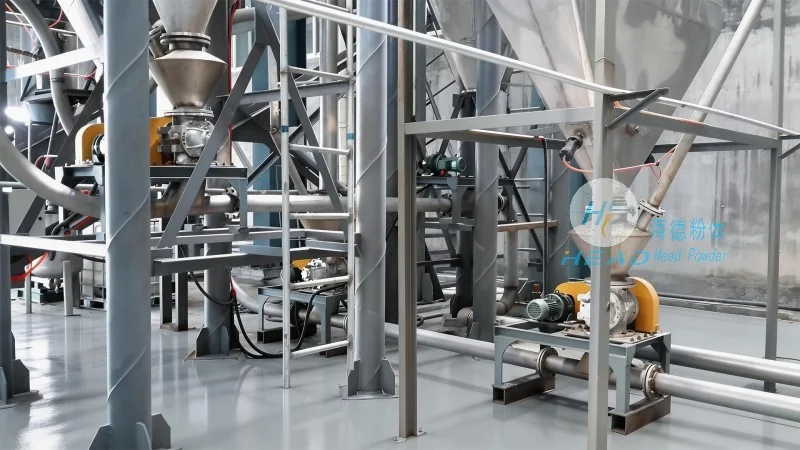
Maintenance and Operational Considerations
To ensure the longevity and optimal performance of a pearl salt granule pneumatic conveying machine, proper maintenance and operational practices are essential. Regular cleaning of the hopper and conveyor line is necessary to prevent the buildup of material and reduce the risk of blockages. The air filter should be checked and replaced regularly to maintain clean air quality and prevent dust accumulation in the system. The compressor and control system should be inspected for any signs of wear or malfunction, as these components are critical to the machine's operation. It is also important to monitor the air pressure and flow rate during operation, as changes in these parameters can indicate issues with the system. By following a regular maintenance schedule and adhering to operational guidelines, the machine can provide reliable service for many years, ensuring consistent material handling performance.
Conclusion
The pearl salt granule pneumatic conveying machine is a sophisticated and efficient solution for handling bulk materials in the pearl salt industry. By leveraging the principles of pneumatic conveying, this equipment offers numerous advantages over traditional methods, including reduced dust emissions, minimal product contamination, and flexibility. The design and components of the machine are tailored to meet the specific demands of the industry, ensuring high performance and durability. As a product of Shandong HeadPowder Engineering Co., Ltd., this equipment represents a reliable choice for businesses seeking to optimize their material handling processes. With proper maintenance and operation, the machine can contribute to increased productivity and improved product quality in pearl salt production and processing.