

What is a Paddy Grain Pneumatic Conveying System? And What Are Its Design Principles?
For agricultural and processing industries, efficient handling of paddy grains is crucial. A paddy grain pneumatic conveying system is a specialized equipment designed to transport paddy grains through a pipeline using air pressure. This system offers a reliable and efficient method for moving bulk paddy from one location to another, such as from storage silos to processing units or during packaging operations. The core of this system lies in its ability to utilize air as the conveying medium, eliminating the need for mechanical components like belts or buckets that might be prone to wear and tear.
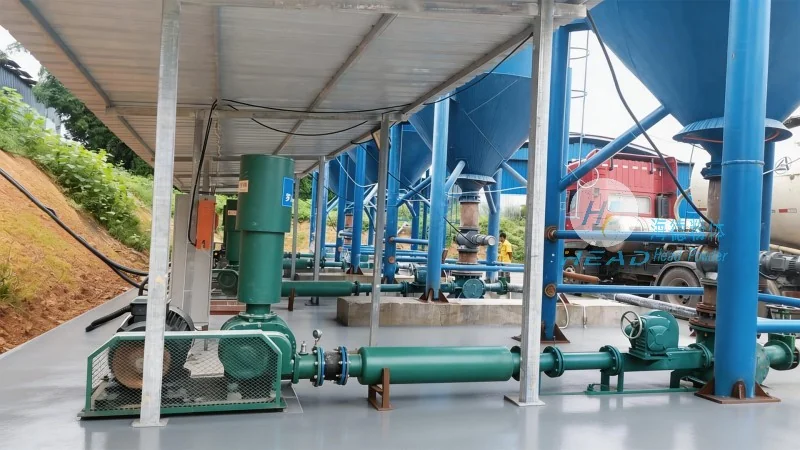
Key Components of a Paddy Grain Pneumatic Conveying System
The design of a paddy grain pneumatic conveying system involves several critical components that work in tandem to ensure smooth operation. These components include the hopper, which serves as the initial collection point for the paddy grains; the air compressor, which generates the necessary air pressure to move the grains; the pipeline network, which transports the grains through the system; and the discharge unit, which releases the paddy at the destination. Each component is engineered to handle the specific characteristics of paddy grains, such as their size, moisture content, and density, to prevent blockages and ensure consistent flow.
The Working Principle: How It Transports Paddy Grains
The operation of a paddy grain pneumatic conveying system is based on the principle of pneumatic transport. When the air compressor is activated, it forces air into the pipeline, creating a flow that pulls the paddy grains along with it. The system can operate in either positive or negative pressure modes. In positive pressure systems, air is blown into the pipeline, pushing the grains forward. In negative pressure systems, air is drawn out of the pipeline, creating a vacuum that pulls the grains. The choice between these modes depends on the application and the distance the grains need to be transported. For paddy grains, a combination of these principles is often used to optimize efficiency and minimize energy consumption.
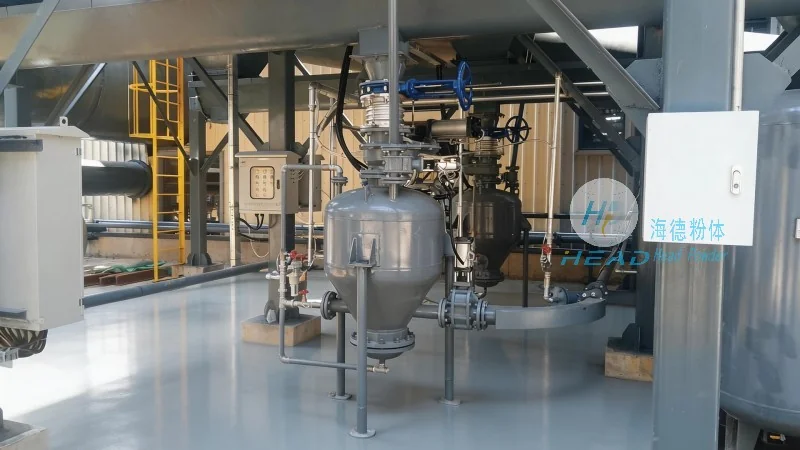
Design Considerations for Optimal Performance
Designing an effective paddy grain pneumatic conveying system requires careful consideration of several factors. First, the system must be able to handle the specific physical properties of paddy grains, such as their shape and tendency to clump together. This is addressed through the use of appropriate hopper designs and material handling components that prevent blockages. Second, the system must be energy-efficient, as pneumatic conveying can be power-intensive. Engineers often incorporate features like variable speed drives and optimized pipeline layouts to reduce energy use. Third, the system must be durable and easy to maintain, as it will be operating in an agricultural environment where dust and moisture are common. Materials like stainless steel and corrosion-resistant coatings are commonly used to ensure longevity.
Applications in the Paddy Processing Industry
Paddy grain pneumatic conveying systems are widely used in various stages of the paddy processing industry. In storage facilities, they are used to transfer paddy from silos to processing lines, ensuring a continuous supply of raw material. During processing, they can transport paddy to milling machines or cleaning equipment. In packaging operations, they help move paddy into storage bags or containers. The versatility of these systems makes them indispensable in modern paddy processing plants, where efficiency and reliability are paramount.
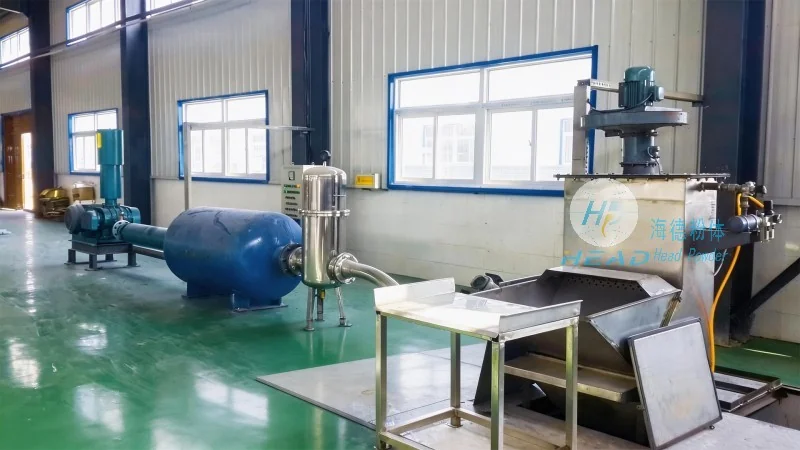
Advantages of Using Paddy Grain Pneumatic Conveying Systems
Compared to traditional mechanical conveying methods, paddy grain pneumatic conveying systems offer several advantages. One of the key benefits is the reduction in labor costs, as the system can operate continuously without the need for manual handling. Another advantage is the improved hygiene, as the system is enclosed, preventing contamination from external sources. Additionally, the system can handle a wide range of paddy grain qualities, from raw to processed, without causing damage. The ability to transport paddy over long distances with minimal loss or degradation is also a significant advantage.
Conclusion: The Importance of Reliable Paddy Grain Conveying
In conclusion, a paddy grain pneumatic conveying system is a vital piece of equipment for the agricultural and processing industries. Its design, based on the principles of pneumatic transport, allows for efficient and reliable movement of paddy grains. By understanding the key components and design considerations, industries can select and implement a system that meets their specific needs. As the demand for efficient paddy processing grows, the importance of such systems will only increase, making them a critical investment for any paddy processing operation.