

What is a Paper Chip Pneumatic Conveying System? And What Are Its Design Principles?
A paper chip pneumatic conveying system is a specialized industrial equipment designed to transport paper chips or similar bulk materials through a pipeline using compressed air or other gas as the conveying medium. This technology offers an efficient and flexible solution for material handling in various industrial settings, particularly in the paper and wood processing sectors. The system typically consists of a hopper for material storage, a blower or compressor to generate the airflow, a pipeline network to transport the material, and a receiver or discharge point where the material is deposited. By utilizing air as the conveying force, these systems eliminate the need for mechanical components like belts or buckets, reducing maintenance and operational costs while ensuring a clean and dust-free transfer process.
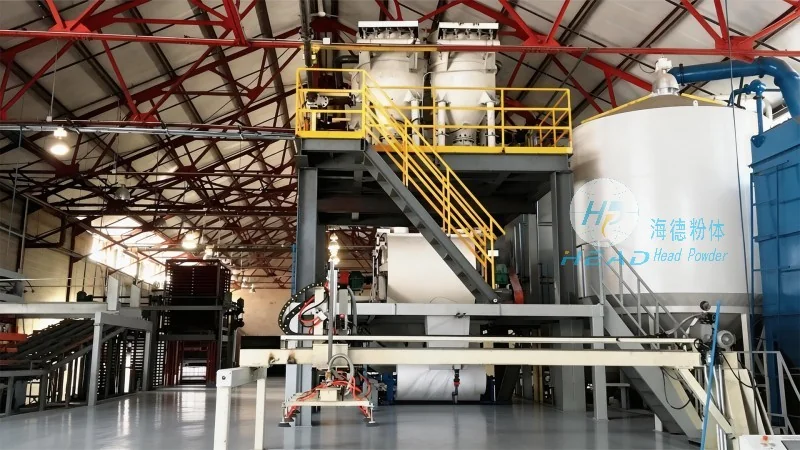
About HeadPowder: The Manufacturer
HeadPowder, the brand name of Shandong HeadPowder Engineering Co., Ltd., is a leading manufacturer specializing in the design, development, and production of pneumatic conveying systems. With a strong presence in China, particularly in Shandong province, the company has built a reputation for delivering high-quality, reliable, and customized solutions tailored to the specific needs of its clients. HeadPowder's expertise lies in understanding the unique challenges of material handling in the paper and wood industries, enabling them to create systems that optimize efficiency, reduce downtime, and enhance overall operational performance.
Key Components of a Paper Chip Pneumatic Conveying System
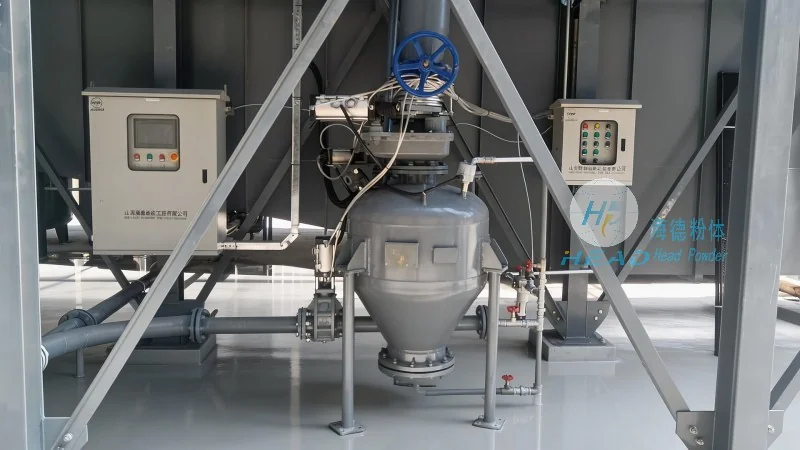
The core components of a paper chip pneumatic conveying system work in tandem to ensure smooth and effective material transport. The primary components include: 1. **Material Hopper**: This is the storage vessel where paper chips are loaded before being conveyed. It is designed to accommodate large volumes of material and often features a discharge valve to control the flow rate. 2. **Air Blower/Compressor**: The heart of the system, the blower or compressor generates the necessary airflow to move the material through the pipeline. It can be a positive displacement blower or a centrifugal compressor, depending on the system's requirements and the material's characteristics. 3. **Conveying Pipeline**: The pipeline network connects the hopper to the discharge point and is typically made of durable materials such as stainless steel or PVC to withstand the abrasive nature of paper chips and the effects of air pressure. 4. **Receiver/Discharge Unit**: This component collects the conveyed material at the end of the pipeline and can be equipped with a dust collection system to maintain a clean working environment. 5. **Control System**: Modern systems often include a control panel that allows operators to monitor and adjust the airflow, pressure, and material flow rates in real-time, ensuring optimal performance and preventing system overload.
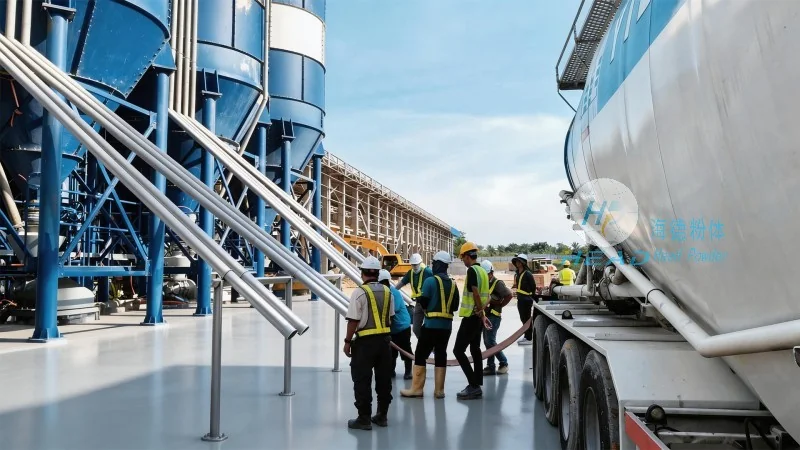
Design Principles of Pneumatic Conveying Systems
The design of a paper chip pneumatic conveying system is based on several fundamental principles to ensure efficient and reliable operation. The primary design principle is the balance between the air velocity and the material's velocity within the pipeline. The air velocity must be sufficient to lift and transport the material particles, while avoiding excessive pressure drops that could lead to material deposition or system inefficiency. This is achieved through careful calculation of the material's bulk density, particle size, and the required conveying distance. Another critical principle is the system's pressure drop, which is the reduction in air pressure as it travels through the pipeline and components. Proper design minimizes pressure drop to maintain consistent airflow and prevent the need for excessive energy consumption. Additionally, the system's layout and pipeline configuration are optimized to minimize bends and turns, as these can cause material accumulation and increase pressure losses. The design also considers the material's characteristics, such as its moisture content and abrasiveness, to select appropriate materials for the hopper, pipeline, and other components to ensure longevity and prevent wear and tear.
Advantages of Using a Paper Chip Pneumatic Conveying System
Implementing a paper chip pneumatic conveying system offers numerous advantages over traditional mechanical conveying methods. One of the most significant benefits is the reduction in labor costs and maintenance requirements. Since there are no moving parts in direct contact with the material (except for the air flow), the system experiences less wear and tear, resulting in lower maintenance expenses and longer service life. Additionally, the system provides a clean and dust-free transfer process, which is crucial in industries where hygiene and environmental compliance are paramount. The flexibility of pneumatic conveying allows for easy integration with existing production lines and the ability to transport materials over long distances without the need for intermediate storage or handling. This enhances overall operational efficiency and reduces the risk of material contamination. Furthermore, the system's ability to handle a wide range of material types, including fine powders and bulk solids, makes it a versatile solution for various industrial applications. The energy efficiency of modern pneumatic conveying systems, particularly those using high-efficiency blowers, also contributes to lower operational costs and a smaller environmental footprint.
Applications and Industries
Paper chip pneumatic conveying systems are widely used in various industries, with the paper and wood processing sectors being the primary applications. In the paper industry, these systems are used to transport raw materials such as wood chips from storage areas to processing machines, or to move finished paper products from one production line to another. In the wood processing industry, they are employed to convey wood chips from sawmills to storage facilities or to transport wood pellets for energy production. Other industries that benefit from this technology include the food processing sector (for transporting grain or flour), the chemical industry (for handling powders and granules), and the pharmaceutical industry (for conveying raw materials in a sterile environment). The adaptability of pneumatic conveying systems makes them suitable for a wide range of applications, from small-scale operations to large industrial facilities.