

Aluminum Battery Pneumatic Conveying System Equipment: Understanding Its Function and Design Princip
Aluminum battery pneumatic conveying systems represent a specialized technology used in the handling and transportation of aluminum battery components. These systems are engineered to efficiently move materials like aluminum powder, electrodes, or other battery-related parts through a sealed or controlled environment using air pressure. The primary goal is to ensure safe, clean, and efficient material transfer, which is crucial in battery manufacturing processes.
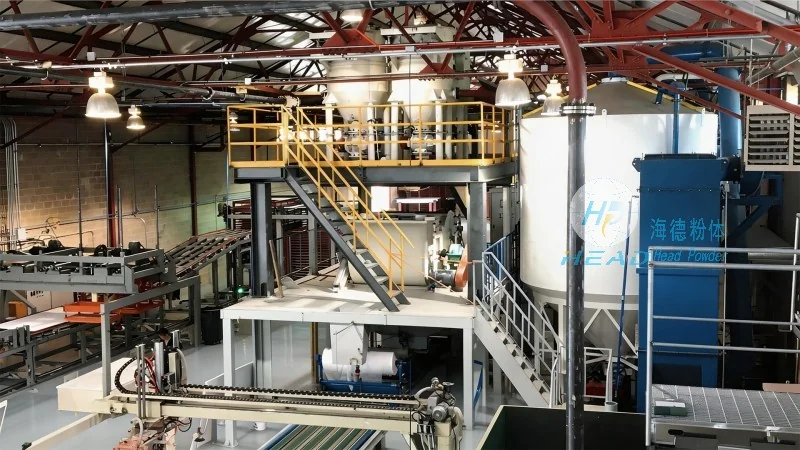
Overview of Aluminum Battery Pneumatic Conveying Systems
At the core of aluminum battery production, the pneumatic conveying system plays a vital role in material handling. This equipment is designed to transport bulk materials such as aluminum powder, which is a key component in many modern battery chemistries. The system operates by using compressed air to create a flow that propels the material through a network of pipes, hoppers, and control valves. This method offers several advantages over traditional mechanical conveying, including reduced contamination, lower maintenance costs, and the ability to handle materials in a dust-free environment.
Design Principles of the Pneumatic Conveying System
The design of an aluminum battery pneumatic conveying system is based on several fundamental principles to ensure optimal performance. First, the system must maintain a consistent air pressure and flow rate to achieve reliable material transport. This involves precise control of the air compressor and the use of appropriate pipe diameters and lengths to minimize pressure drop. Second, the system incorporates components like rotary air locks and filter units to prevent material leakage and maintain air purity. These components are critical for maintaining the integrity of the aluminum powder, which is sensitive to moisture and contaminants. Third, the design considers the specific characteristics of aluminum powder, such as its density and flowability, to optimize the conveying velocity and prevent blockages or degradation of the material.
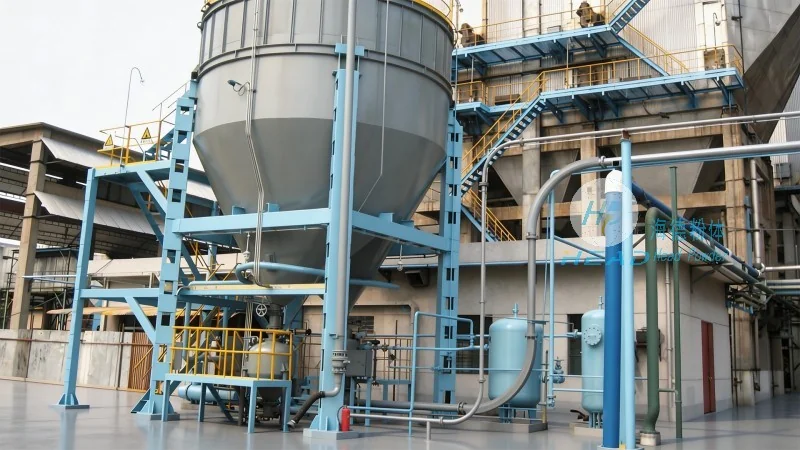
Key Components and Their Functions
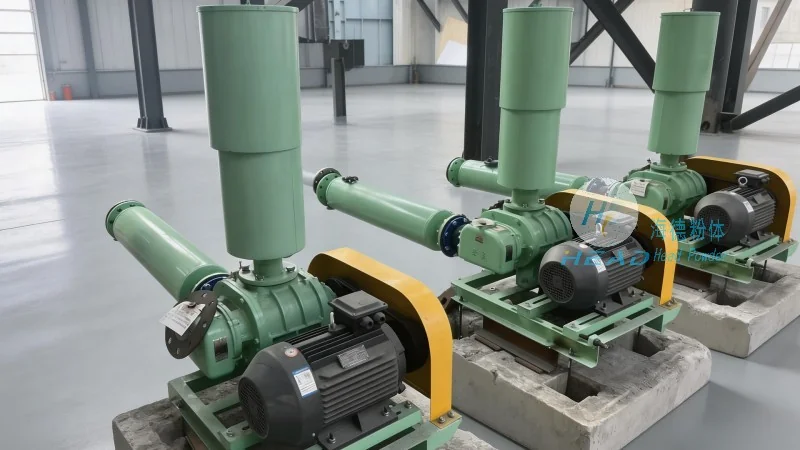
Several key components make up an aluminum battery pneumatic conveying system. The primary components include the material hopper, which holds the aluminum powder and feeds it into the system; the air compressor, which generates the necessary pressure to move the material; the conveying pipes, which form the path for the material and air; and the control valves, which regulate the flow and pressure. Additionally, the system may include a filter and dust collector to capture any airborne particles and maintain a clean environment. Each component is carefully selected and integrated to ensure the system operates efficiently and safely. For example, the rotary air lock, often called a star valve, is used at the discharge point to prevent backflow and maintain a consistent flow rate. The filter unit is essential for capturing fine aluminum particles and preventing them from escaping into the environment, which is crucial for both safety and regulatory compliance.
Applications in Aluminum Battery Manufacturing
Aluminum battery pneumatic conveying systems are widely used in various stages of battery production. In the electrode manufacturing process, the system is used to transport aluminum powder to the mixing and coating stations. This ensures that the powder is delivered in a controlled manner, maintaining its quality and preventing agglomeration. During the cell assembly phase, the system may be used to transport aluminum current collectors or other components to the assembly line. The ability to handle bulk materials efficiently and in a controlled environment makes the pneumatic conveying system indispensable in modern battery manufacturing. By integrating this technology, manufacturers can improve production efficiency, reduce material waste, and enhance product quality.
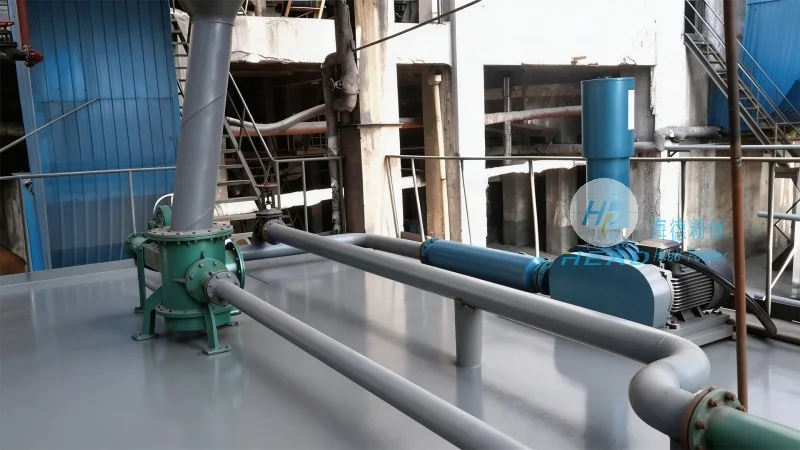
Advantages and Considerations
There are several advantages to using an aluminum battery pneumatic conveying system. One of the main benefits is the ability to handle materials in a dust-free environment, which is critical for maintaining the purity of aluminum powder. This reduces the risk of contamination and improves the overall quality of the battery components. Another advantage is the reduced need for manual handling, which enhances workplace safety and reduces labor costs. Additionally, the system is relatively low maintenance compared to traditional mechanical conveying systems, as it has fewer moving parts and less wear and tear. However, there are also considerations to keep in mind. For example, the system requires a reliable air supply and proper maintenance to ensure consistent performance. The cost of the equipment and installation can also be a factor, especially for smaller-scale operations. Furthermore, the system must be designed to handle the specific properties of aluminum powder, such as its tendency to form clumps or agglomerates, which can affect the conveying efficiency.
Conclusion
In conclusion, aluminum battery pneumatic conveying systems are an essential part of modern battery manufacturing. These systems are designed to efficiently and safely transport aluminum battery components, ensuring the quality and integrity of the materials used. The design principles, key components, and applications of these systems are tailored to meet the specific needs of aluminum battery production. By understanding and implementing these technologies, manufacturers can improve their production processes, enhance product quality, and maintain a competitive edge in the market. As the demand for aluminum batteries continues to grow, the importance of efficient material handling systems like the pneumatic conveying system will only increase. Companies like Shandong HeadPowder Engineering Co., Ltd., based in China, are at the forefront of developing and manufacturing such advanced equipment, providing solutions that meet the evolving needs of the battery industry.