

What is a Bauxite Pneumatic Conveying System Equipment? What is its Design Principle?
Bauxite, a primary ore of aluminum, is widely used in various industrial applications. The efficient and reliable transportation of bauxite from mining sites to processing facilities is crucial for maintaining production efficiency and reducing operational costs. A bauxite pneumatic conveying system is a specialized equipment designed to handle this task, utilizing air as the conveying medium to transport the ore. This article will explore the components, working principles, and design considerations of such a system, providing insights into how it operates and why it is essential in the bauxite industry.
Understanding Bauxite Pneumatic Conveying Systems
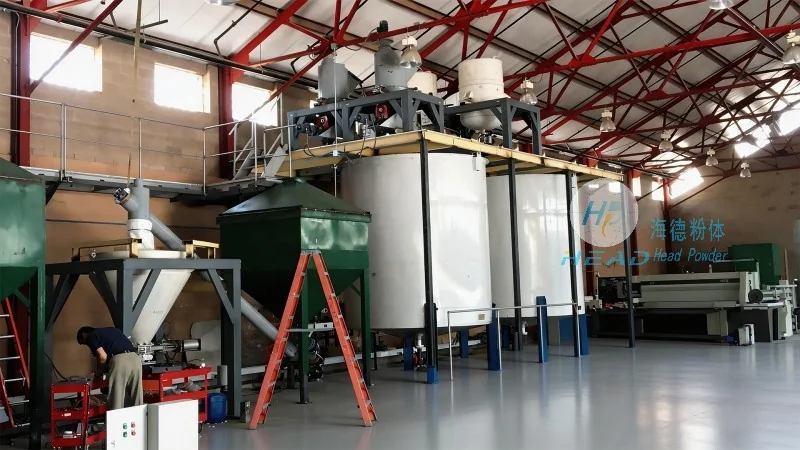
A bauxite pneumatic conveying system is a technology that moves bauxite particles through a pipeline using compressed air. Unlike traditional mechanical conveyors, which rely on mechanical components like belts or screws, pneumatic systems use air pressure to transport materials. This method is particularly advantageous for bauxite, which can be abrasive and prone to dust generation. The system typically consists of several key components, including a hopper for material storage, a feeder to control the flow rate, a conveying line, and a receiver for the discharged material. Each component plays a critical role in ensuring the smooth and efficient operation of the system.
Key Components of the Bauxite Pneumatic Conveying System
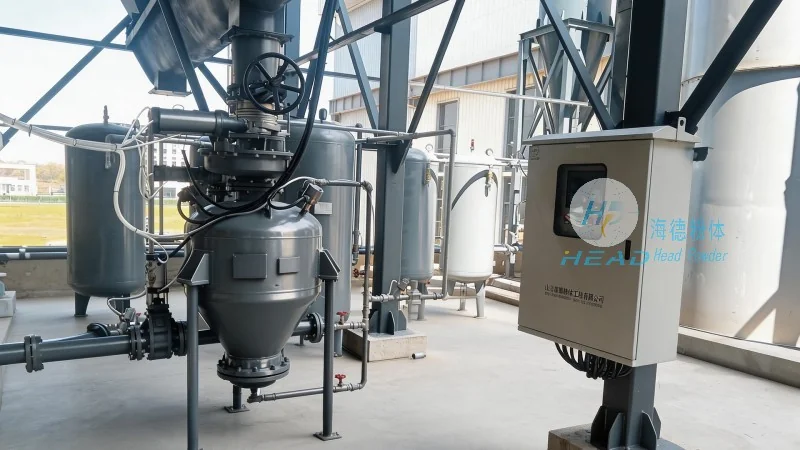
The bauxite pneumatic conveying system by Shandong HeadPowder Engineering Co., Ltd. is engineered with precision to handle the unique characteristics of bauxite. The system includes a robust hopper designed to store large quantities of bauxite, ensuring a consistent supply to the feeder. The feeder, often a rotary valve or a vibratory feeder, regulates the material flow into the conveying line, preventing overloading and maintaining a steady air flow. The conveying line, made of durable materials like stainless steel or special alloys, is designed to withstand the abrasive nature of bauxite particles. The receiver, equipped with dust collection and filtration systems, collects the conveyed bauxite and separates any residual air or dust. These components work in harmony to create a seamless material transport process.
Working Principle of the Bauxite Pneumatic Conveying System
The operation of a bauxite pneumatic conveying system involves several stages. First, the bauxite is fed into the hopper from the storage silo. The feeder then controls the flow rate, allowing a controlled amount of material to enter the conveying line. Compressed air is introduced into the line, creating a high-pressure environment that propels the bauxite particles forward. As the air and material mixture travels through the pipeline, the bauxite particles are carried by the air stream. The receiver at the end of the line collects the material, and the air is either filtered and recycled or vented to the atmosphere. This process is continuous and can be adjusted to handle varying material loads and distances. The design of the system ensures that the air pressure and flow rate are optimized to minimize energy consumption and maximize material transport efficiency.
Design Principles and Considerations
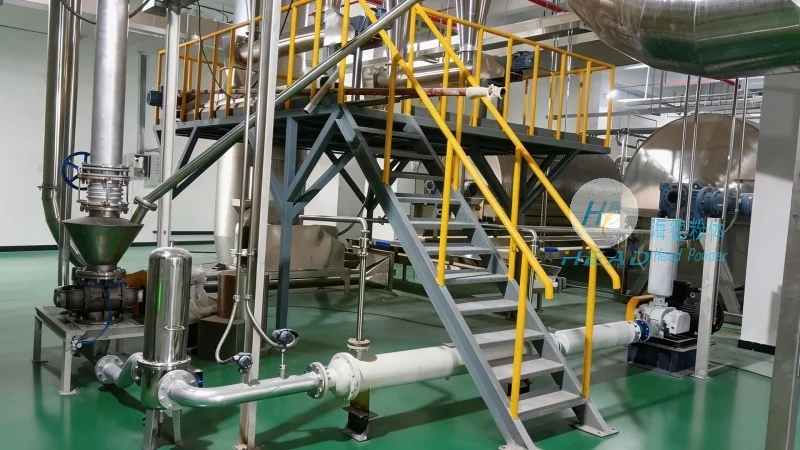
The design of a bauxite pneumatic conveying system requires careful consideration of several factors to ensure optimal performance. The system must be able to handle the abrasive nature of bauxite, which can cause wear and tear on components. Therefore, materials such as stainless steel, high-chrome alloys, or special coatings are used for the hopper, feeder, and conveying line to extend the system's lifespan. The system's capacity must be matched to the production requirements of the bauxite processing plant, ensuring that it can handle the required material volume without bottlenecks. The distance between the hopper and the receiver is also a critical factor, as it affects the air pressure and flow rate needed for effective conveying. Additionally, the system must comply with safety regulations, including proper dust collection and explosion-proof design, to prevent accidents and maintain a safe working environment. The design process involves detailed calculations of air velocity, pressure drop, and material flow rate to ensure that the system operates within safe and efficient parameters.
Benefits of Using a Bauxite Pneumatic Conveying System
Implementing a bauxite pneumatic conveying system offers several benefits for industrial operations. Firstly, it reduces the need for manual handling of bauxite, improving workplace safety and reducing labor costs. The system also minimizes material loss and contamination, as the enclosed pipeline prevents dust and debris from escaping. This is particularly important for bauxite, which can be a source of dust that affects air quality and worker health. Additionally, pneumatic conveying systems can handle materials over long distances with minimal energy consumption compared to other methods like truck or rail transport. The system's flexibility allows for easy integration with existing processing facilities, and its modular design enables scalability to accommodate future production increases. Overall, the bauxite pneumatic conveying system is a cost-effective and efficient solution for transporting bauxite from mining sites to processing plants.
Conclusion
A bauxite pneumatic conveying system is a sophisticated piece of equipment that plays a vital role in the bauxite industry. By utilizing compressed air to transport bauxite particles, the system offers a reliable and efficient method for material handling. The design and components of such a system are tailored to the unique properties of bauxite, ensuring durability and performance. Companies like Shandong HeadPowder Engineering Co., Ltd. specialize in manufacturing and supplying high-quality bauxite pneumatic conveying systems that meet the specific needs of industrial clients. With proper design and maintenance, these systems can significantly enhance production efficiency and reduce operational costs in bauxite processing facilities. As the demand for aluminum continues to grow, the importance of efficient bauxite transportation will only increase, making pneumatic conveying systems an essential part of modern industrial operations.