

What is a Tungsten Carbide Pneumatic Conveying System? What are its Design Principles?
For industrial applications requiring efficient and reliable material handling, the Tungsten Carbide Pneumatic Conveying System stands out as a robust solution. This equipment is engineered to transport materials through a pressurized air or gas stream, offering a flexible and effective method for moving bulk materials over short to medium distances. As a key component in various industrial processes, understanding the system's functionality and design principles is crucial for optimizing performance and ensuring operational efficiency.
Introduction to Tungsten Carbide Pneumatic Conveying Systems
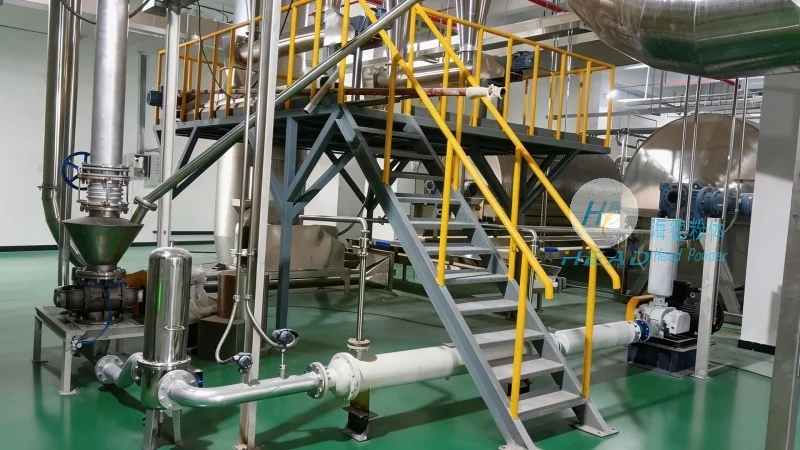
The Tungsten Carbide Pneumatic Conveying System is a specialized piece of equipment designed to transport bulk materials using a pressurized air or gas medium. Unlike traditional mechanical conveyors, this system utilizes air pressure to move materials through a pipeline network. The system is particularly well-suited for handling abrasive or high-value materials, where traditional methods may cause wear or damage. By leveraging the properties of tungsten carbide, the system components are built to withstand the rigors of continuous operation, ensuring long-term durability and reliability.
Key Components of the Tungsten Carbide Pneumatic Conveying System
The Tungsten Carbide Pneumatic Conveying System comprises several critical components that work in tandem to facilitate material transport. These components include the material feed hopper, the air compressor or blower, the conveying pipeline, and the discharge outlet. Each component is engineered with tungsten carbide materials to enhance wear resistance and extend service life. The feed hopper is designed to store and meter the material, ensuring a consistent flow into the system. The air compressor or blower generates the necessary pressure to move the material through the pipeline. The conveying pipeline, typically made of high-strength materials reinforced with tungsten carbide, provides the path for material transport. Finally, the discharge outlet allows the material to be released at the desired location, completing the conveying process.
Design Principles and Operational Mechanics
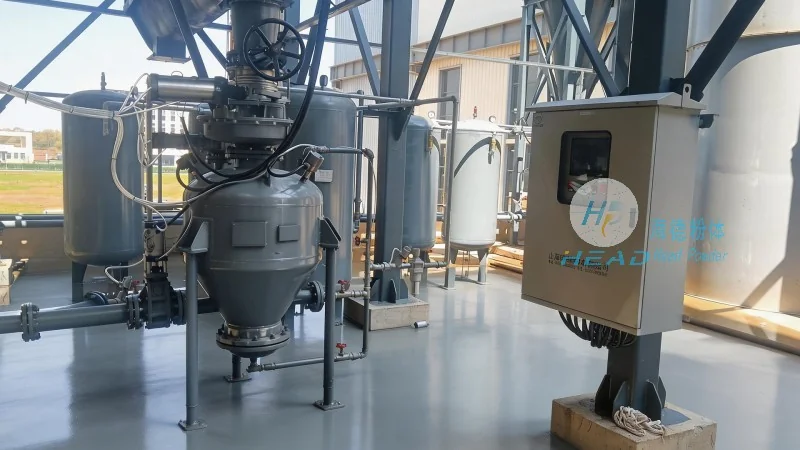
The design principles of the Tungsten Carbide Pneumatic Conveying System are centered on optimizing material transport efficiency while minimizing wear and energy consumption. The system operates on the principle of fluidization, where the material is suspended in the air stream and carried through the pipeline. The velocity of the air stream is carefully controlled to ensure that the material particles are fully entrained without causing excessive pressure drops or particle degradation. The system's design also incorporates features to manage pressure differentials and prevent material buildup, ensuring smooth and continuous operation. Additionally, the use of tungsten carbide in critical components reduces friction and wear, leading to lower maintenance costs and higher overall system efficiency.
Advantages of Tungsten Carbide Pneumatic Conveying Systems
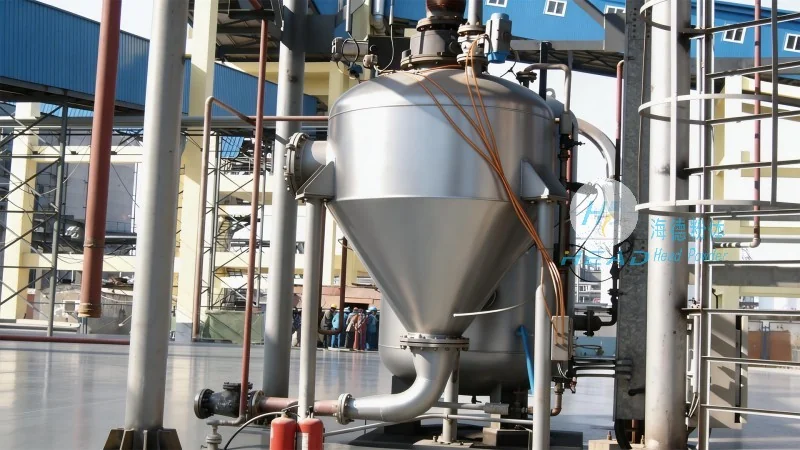
Implementing a Tungsten Carbide Pneumatic Conveying System offers several advantages for industrial operations. The system provides a flexible and scalable solution for material handling, allowing for easy integration into existing production lines. It eliminates the need for mechanical parts that can break or wear out, reducing downtime and maintenance requirements. The system is also capable of handling a wide range of materials, from fine powders to larger particles, making it versatile for various applications. Furthermore, the use of compressed air as the conveying medium allows for precise control over material flow and distribution, enhancing process accuracy and product quality. The durability of tungsten carbide components ensures long-term performance, contributing to lower total cost of ownership.
Applications and Industries
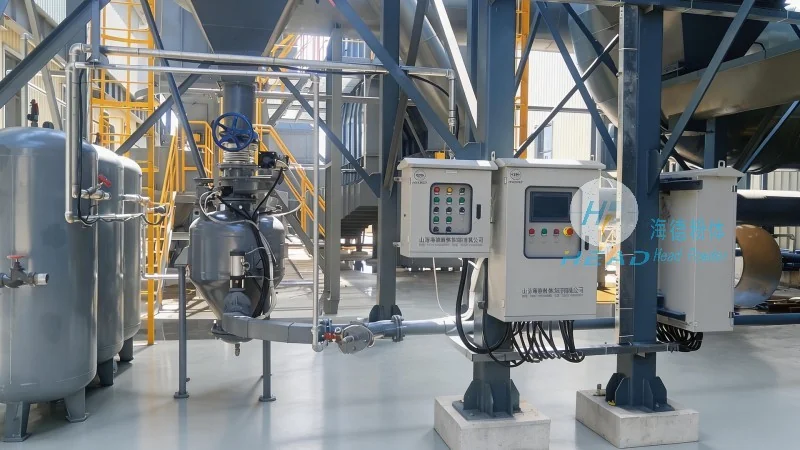
Tungsten Carbide Pneumatic Conveying Systems are widely used across various industries that require efficient bulk material transport. These include the mining and mineral processing sector, where abrasive materials are commonly handled. The system is also utilized in the chemical and pharmaceutical industries for transporting fine powders and granules. Additionally, it finds applications in the food processing industry for handling dry ingredients and in the cement and construction sectors for transporting raw materials. The versatility of the system makes it suitable for a broad range of industrial applications, where reliable and efficient material handling is essential.
Conclusion and Company Overview
In conclusion, the Tungsten Carbide Pneumatic Conveying System is a sophisticated and durable solution for industrial material handling. Its design principles, centered on efficient air-based transport and tungsten carbide wear resistance, ensure high performance and long service life. The system's components are engineered to withstand the demands of continuous operation, providing reliable material transport for various industrial applications. As a leading manufacturer in this field, Shandong HeadPowder Engineering Co., Ltd. specializes in providing high-quality Tungsten Carbide Pneumatic Conveying Systems tailored to meet the specific needs of industrial clients. With a focus on durability, efficiency, and customer satisfaction, the company delivers solutions that enhance operational productivity and reduce maintenance costs. Based in Shandong, China, Shandong HeadPowder Engineering Co., Ltd. continues to innovate and provide advanced material handling solutions for industries worldwide.