

What is a Glass Powder Pneumatic Conveying System? And What Are Its Design Principles?
For industrial applications involving the handling of glass powders, efficient and reliable material transport is crucial. A glass powder pneumatic conveying system offers a solution that combines precision, safety, and performance. This article explores the fundamental aspects of such systems, including their operational principles and design considerations, with a focus on the expertise of Shandong HeadPowder Engineering Co., Ltd., a leading provider in the field.
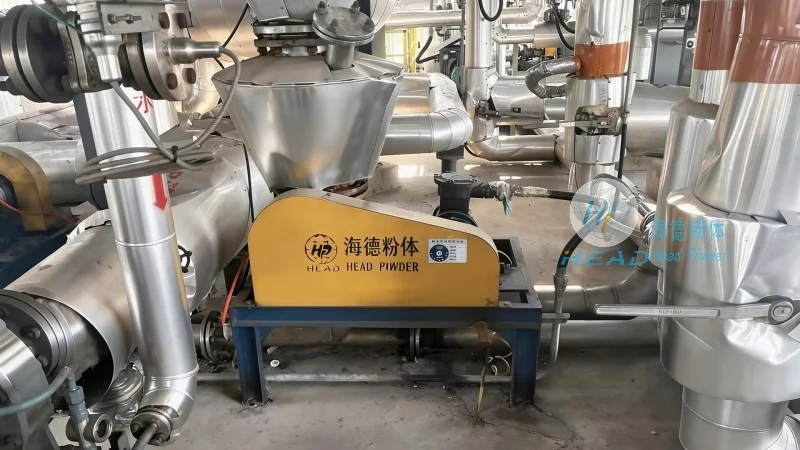
Understanding Glass Powder Pneumatic Conveying Systems
A glass powder pneumatic conveying system is a specialized equipment setup designed to transport fine glass powders through a pipeline using compressed air or other gas streams. This method eliminates the need for mechanical components like belts or screws, reducing friction and wear while maintaining a clean and dust-free environment. The system is particularly advantageous for handling abrasive or sensitive materials, as it minimizes product degradation and contamination.
Core Components and Operational Principles
The design of a glass powder pneumatic conveying system revolves around several key components that work in tandem to ensure effective material transport. These typically include a hopper for material storage, a feeder to control the flow rate, a conveying line (often with multiple sections like a transport line and a return line), and a receiver for the discharged material. The system operates by introducing compressed air into the conveying line, creating a flow that lifts and propels the glass powder particles through the pipeline.
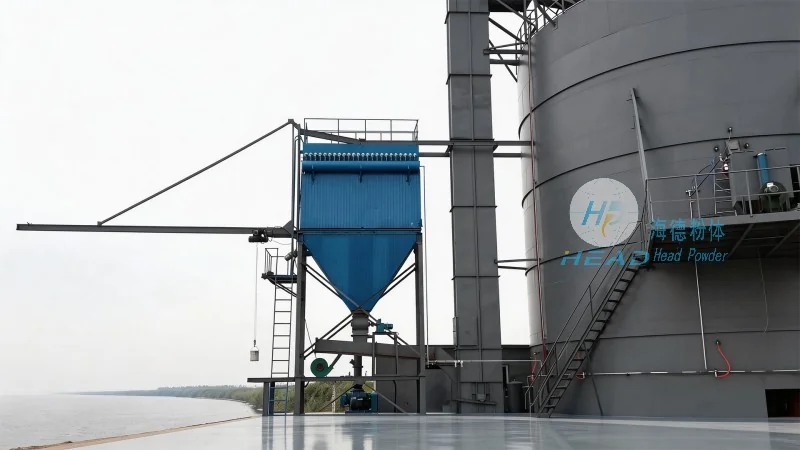
There are two primary types of pneumatic conveying systems: dilute-phase and dense-phase. Dilute-phase systems use higher air velocities to move particles in a dispersed state, suitable for shorter distances and less abrasive materials. Dense-phase systems, on the other hand, operate at lower velocities with higher material concentrations, making them ideal for longer distances and more sensitive or abrasive powders. The choice between these systems depends on factors such as the material characteristics, distance to be covered, and required flow rate.
Design Principles for Optimal Performance
Designing an effective glass powder pneumatic conveying system requires careful consideration of several factors to ensure efficiency, reliability, and longevity. Material selection for components is critical, as glass powders can be abrasive and corrosive. Materials like stainless steel, aluminum, or specialized polymers are often used for parts in contact with the powder to prevent wear and maintain product purity. The system's layout, including the angle and length of the conveying line, also impacts performance. Properly designed bends and transitions minimize pressure losses and prevent material buildup or blockages.
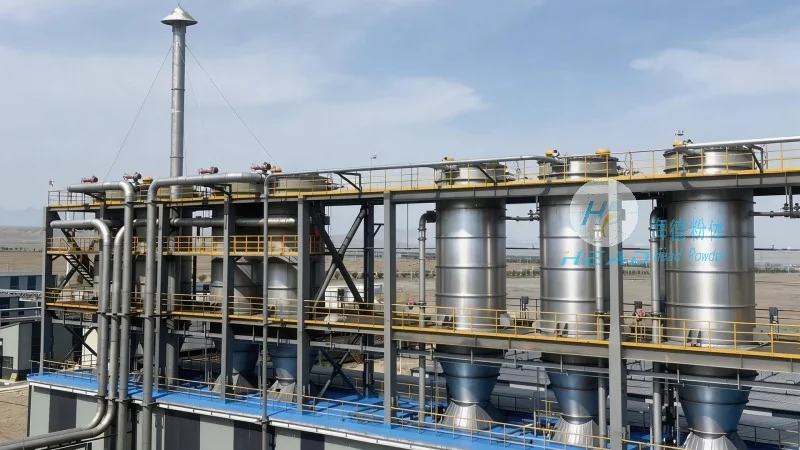
Control systems play a vital role in optimizing the operation of the conveying system. Automated controls can regulate air pressure, flow rates, and feeding speeds, ensuring consistent and stable material transport. This not only improves efficiency but also enhances safety by preventing overloading or system failures. Additionally, the integration of filtration and dust collection systems is essential to maintain air quality and comply with environmental regulations, especially when handling fine powders that can be hazardous if inhaled.
Applications and Benefits in Industrial Settings
Glass powder pneumatic conveying systems find widespread application in various industries, including glass manufacturing, pharmaceuticals, and food processing. In glass production, these systems are used to transport raw materials like silica sand, soda ash, and limestone to the melting furnaces. The ability to handle fine powders with minimal degradation ensures consistent product quality and reduces waste. In pharmaceutical and food industries, the hygienic design of these systems is crucial, as they must meet strict standards for cleanliness and product safety.
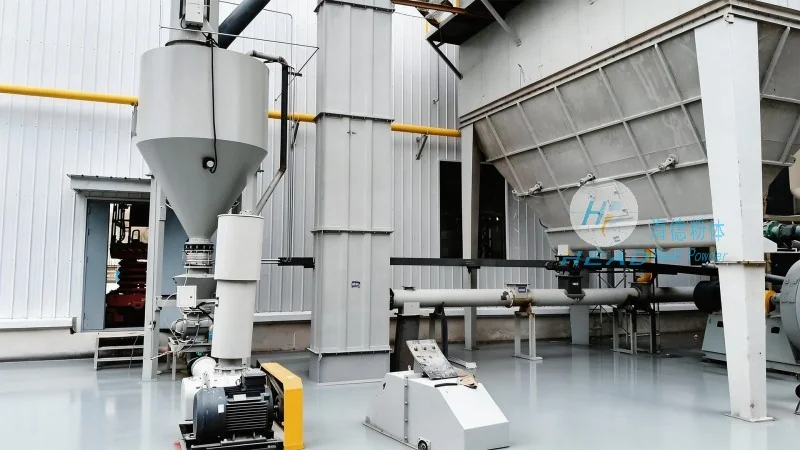
The benefits of using a glass powder pneumatic conveying system extend beyond just material transport. By eliminating the need for manual handling or mechanical conveyors, the system reduces labor costs and improves workplace safety. It also minimizes product contamination and loss, leading to higher overall efficiency and cost savings. Furthermore, the compact design of many modern systems allows for easy integration into existing industrial setups, making them a practical solution for both new and retrofit applications.
Conclusion and Company Overview
Glass powder pneumatic conveying systems represent a sophisticated and efficient solution for the transportation of fine glass powders in industrial settings. Their design, which combines advanced engineering principles with careful material selection and control systems, ensures reliable and safe operation. Shandong HeadPowder Engineering Co., Ltd., with its expertise in this field, provides comprehensive solutions tailored to the specific needs of clients. Based in China, the company leverages its experience to deliver high-quality pneumatic conveying systems that meet the demands of modern industrial applications, contributing to improved productivity and operational efficiency across various sectors.