

Working Principle and Features of Phenolic Resin Powder Material Handling Conveying Lines
Phenolic resin powder is a widely used industrial material in various sectors such as automotive, electronics, and construction. The efficient and reliable transportation of phenolic resin powder is crucial for maintaining production efficiency and product quality. This article will delve into the working principle and key features of the phenolic resin powder material handling conveying line, highlighting the technical aspects and operational advantages provided by Shandong HeadPowder Engineering Co., Ltd.
Overview of Phenolic Resin Powder Material Handling Conveying Lines
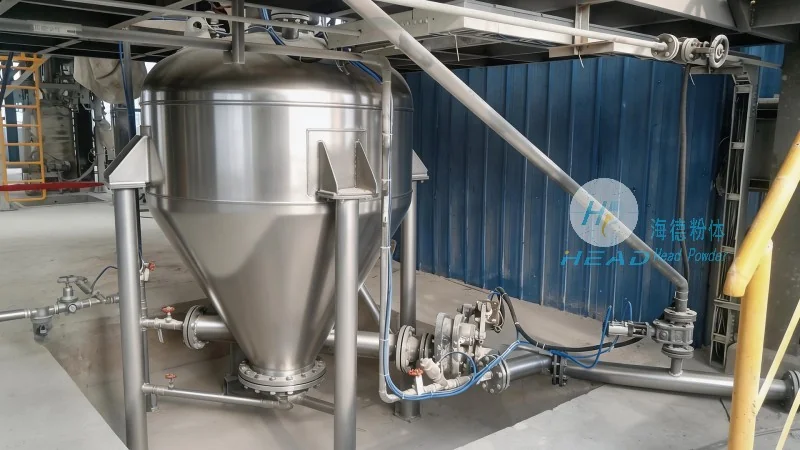
Phenolic resin powder material handling conveying lines are specialized systems designed to transport phenolic resin powder from storage to processing units with precision and minimal material loss. These systems are engineered to handle the unique properties of phenolic resin powder, including its fine particle size, hygroscopic nature, and potential for dust generation. The conveying lines are typically integrated with storage silos, feeding mechanisms, and control systems to ensure a seamless material flow throughout the production process.
Working Principle of the Conveying Line
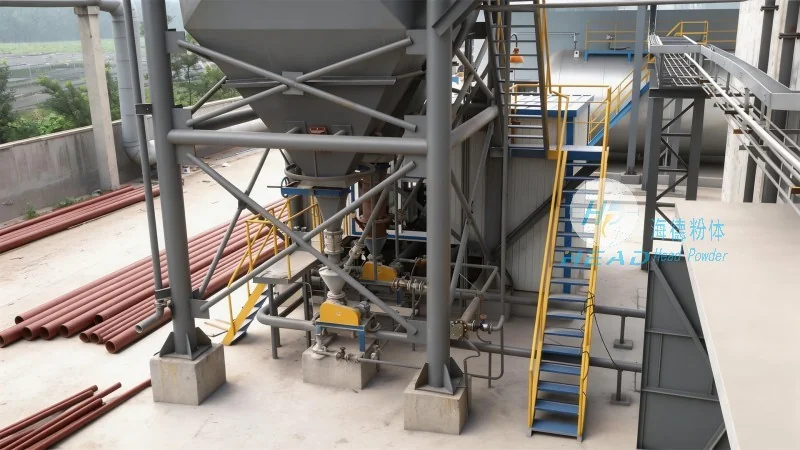
The working principle of a phenolic resin powder material handling conveying line involves several key components and processes. The system starts with the storage of phenolic resin powder in a silo or hopper, where the material is kept under controlled conditions to prevent moisture absorption and caking. A feeding device, such as a rotary valve or a screw feeder, then regulates the flow of powder from the storage container into the conveying line. The powder is then transported through a pipeline using positive displacement or pneumatic conveying methods, depending on the system design and material characteristics.
Positive displacement conveyors, like rotary lobe or piston pumps, are commonly used for phenolic resin powder due to their ability to handle fine powders and maintain consistent flow rates. These systems use mechanical action to push the powder through the pipeline, ensuring reliable transport even at low material concentrations. Pneumatic conveying systems, on the other hand, utilize compressed air to move the powder in a dilute phase, which is suitable for longer distances or when the material is more sensitive to mechanical stress. The conveying line is equipped with pressure sensors, flow meters, and control valves to monitor and adjust the material flow in real-time, maintaining optimal operating conditions.
Key Features of the Phenolic Resin Powder Conveying Line
Shandong HeadPowder Engineering Co., Ltd. designs and manufactures phenolic resin powder material handling conveying lines with several distinct features that enhance performance and durability. One of the primary features is the use of high-quality, corrosion-resistant materials for the conveying components, such as stainless steel or special alloys, to withstand the chemical properties of phenolic resin and prevent material degradation over time. The system also incorporates dust collection and filtration systems to minimize environmental impact and ensure workplace safety, as phenolic resin powder can be a respiratory irritant.
Another important feature is the advanced control system integrated into the conveying line. This system allows for automated operation, with programmable logic controllers (PLCs) and human-machine interfaces (HMIs) enabling operators to monitor and adjust the material flow, pressure, and temperature. The control system can also include alarms and safety interlocks to prevent overfilling or system failures, enhancing operational safety. Additionally, the conveying line is designed for easy maintenance and cleaning, with removable components and CIP (clean-in-place) capabilities to maintain hygiene standards, which is critical for industries where product purity is paramount.
Operational Advantages and Applications
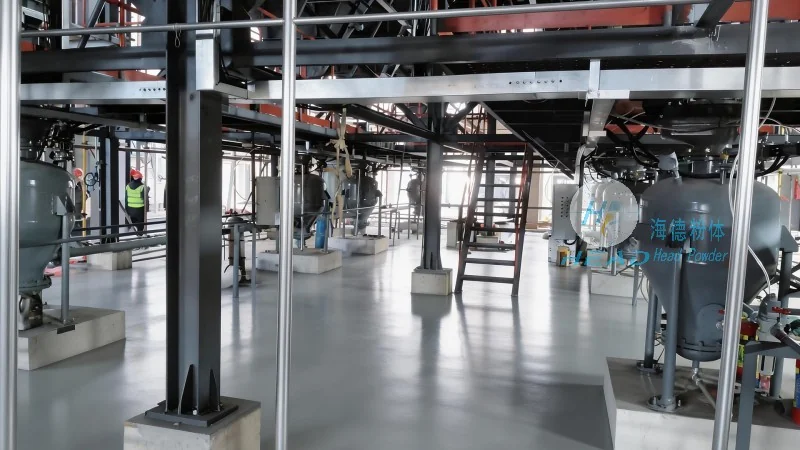
The phenolic resin powder material handling conveying line offers several operational advantages that contribute to improved productivity and cost efficiency. By automating the material transport process, the system reduces labor costs and minimizes the risk of human error, leading to consistent and reliable material delivery to processing units. The efficient design of the conveying line also minimizes material loss and degradation, which helps maintain product quality and reduces waste. Furthermore, the system's adaptability allows it to be integrated with existing production lines, making it a cost-effective solution for upgrading or expanding material handling capabilities.
These conveying lines are widely used in the production of phenolic resins and their derivatives, including automotive parts, electrical insulation components, and construction materials. The ability to handle fine powders with precision and control makes the system ideal for applications where uniform material distribution is essential. Shandong HeadPowder Engineering Co., Ltd. has extensive experience in designing and implementing such systems, ensuring that clients receive customized solutions tailored to their specific production needs and operational requirements.
Conclusion
In conclusion, the phenolic resin powder material handling conveying line is a critical component in the production process of phenolic resin powder, providing efficient and reliable transportation while maintaining product quality and operational safety. The working principle, which combines advanced feeding, conveying, and control technologies, ensures seamless material flow from storage to processing. The key features, including corrosion-resistant materials, dust control systems, and automated controls, enhance the system's performance and durability. With its operational advantages and wide range of applications, the phenolic resin powder conveying line is an essential investment for industries relying on phenolic resin powder, and Shandong HeadPowder Engineering Co., Ltd. is a trusted partner in providing high-quality solutions for material handling needs.