

Principle and Working Scene Characteristics of PUR Powder Conveying Lines
In industrial production, efficient and reliable powder conveying systems are crucial for enhancing production efficiency and ensuring product quality. PUR (polyurea) powder conveying lines, as an advanced conveying solution, have become a popular choice in many industries due to their unique performance and wide application scenarios. This article delves into the principles, working characteristics, and applications of PUR powder conveying lines in various industrial environments.
1. Core Working Principle of PUR Powder Conveying Lines
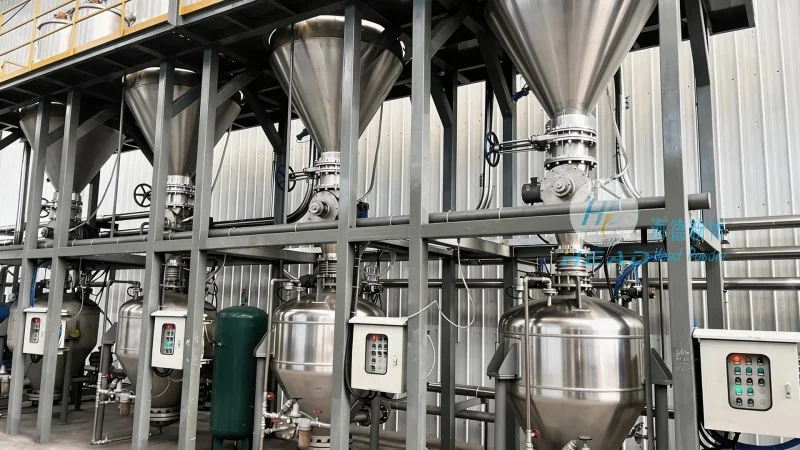
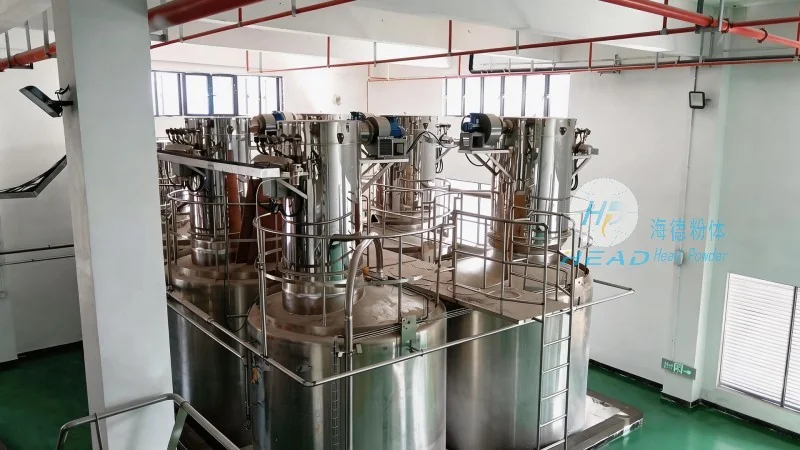
PUR powder conveying lines operate based on negative or positive pressure conveying technology, using specific conveying equipment to transport powder materials from the starting point to the endpoint. The system typically consists of feeding devices, conveying pipelines, control units, and receiving equipment. Its core lies in utilizing pneumatic conveying technology, where compressed air or vacuum systems generate airflow to drive powder particles within the pipeline. Specifically, when the conveying system starts, the conveying fan produces airflow, which passes through the conveying pipeline into the feeding device to draw powder materials into the pipeline. Subsequently, the airflow carries the powder particles along the pipeline to the receiving point. During the conveying process, the system adjusts airflow speed and pressure to ensure stable powder particle transport, preventing blockages or leaks. PUR material, with its excellent wear resistance, corrosion resistance, and flexibility, is widely used in conveying pipelines and components, effectively extending equipment service life and reducing maintenance costs.
2. Working Scene Characteristics of PUR Powder Conveying Lines
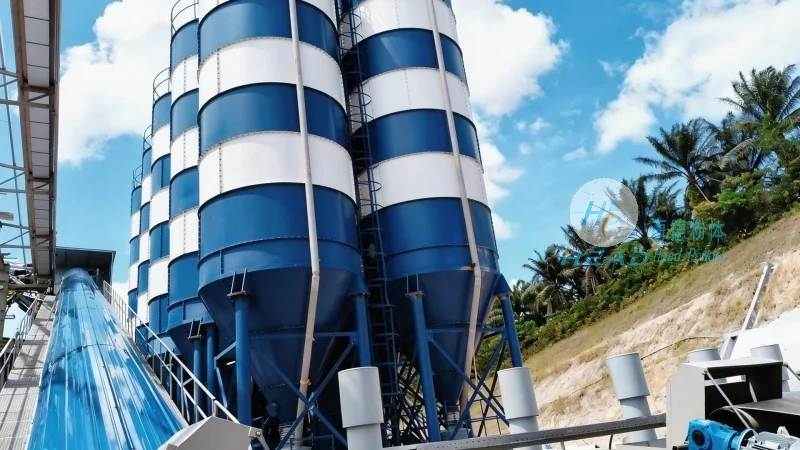
PUR powder conveying lines exhibit unique advantages in different industrial scenarios, adapting to various complex production needs. First, in the chemical industry, PUR conveying lines can safely transport a variety of chemical powders, such as pigments and additives, with their corrosion resistance ensuring stable system operation in harsh environments. Second, in the food processing sector, PUR conveying lines use food-grade materials to meet hygiene standards, ensuring the purity and safety of powder materials (e.g., flour, sugar). Additionally, in the pharmaceutical industry, the system employs strict sealing and sanitary treatment to prevent cross-contamination and ensure pharmaceutical production quality. In the building materials industry, for powder conveyance like cement and lime, PUR conveying lines' high wear resistance and abrasion resistance effectively handle the impact and friction of particulate materials, reducing equipment wear. For scenarios requiring long-distance or complex path conveying, PUR conveying lines achieve efficient transport through flexible pipeline layouts and turning devices, reducing installation and maintenance difficulties. Overall, the working scene characteristics of PUR powder conveying lines lie in their strong adaptability and high reliability, capable of meeting diverse powder conveying needs across different industries.