

What is a Denitrification Urea Pneumatic Conveying System Equipment? What is its Design Principle?
Denitrification urea pneumatic conveying systems are specialized industrial equipment designed to efficiently transport urea, a key component in denitrification processes aimed at reducing nitrogen oxides (NOx) emissions. These systems are critical for industries seeking to optimize their material handling operations while adhering to environmental regulations. Understanding the equipment and its underlying design principles is essential for selecting and implementing effective denitrification solutions.
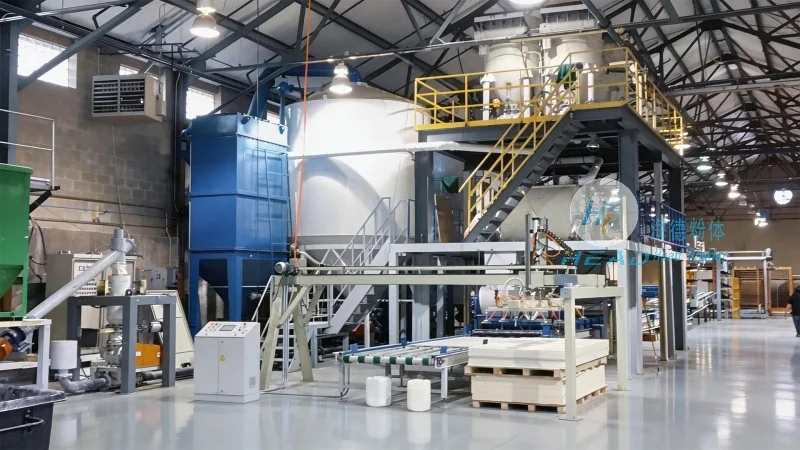
Core Components of a Denitrification Urea Pneumatic Conveying System
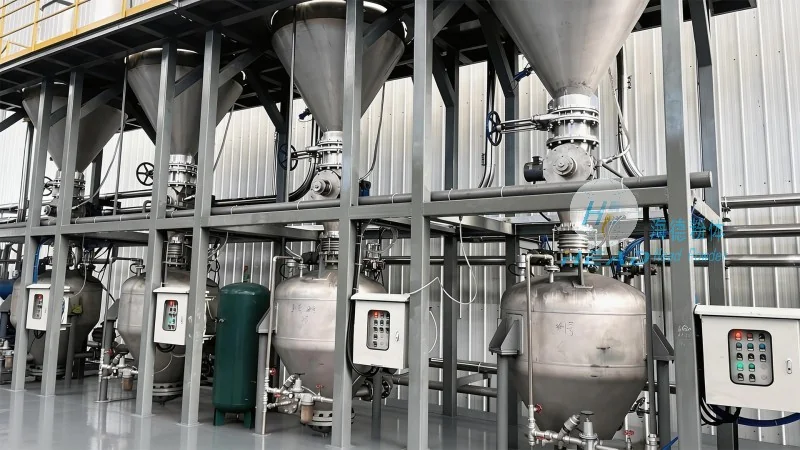
A denitrification urea pneumatic conveying system typically comprises several integral components that work in unison to facilitate the movement of urea. The primary components include a storage silo or hopper for holding urea, a feeder mechanism to control the discharge rate, a pneumatic conveying line (powered by air compressors or vacuum pumps), and a destination silo or reactor where the urea is deposited. Each component is meticulously designed to ensure the system operates efficiently and safely.
The feeder system, such as a rotary valve or screw feeder, plays a pivotal role in maintaining a consistent flow of urea from the storage silo. This prevents clogging and ensures the pneumatic conveying line receives a steady supply of material. The conveying line, which may operate under positive or negative pressure, uses compressed air or vacuum to suspend and transport the urea particles through the pipeline. The choice between positive and negative pressure depends on factors like the distance of transport, elevation changes, and the system's overall capacity. Additionally, the system may incorporate filters and separators to remove moisture or debris from the urea, preserving its quality for denitrification applications.
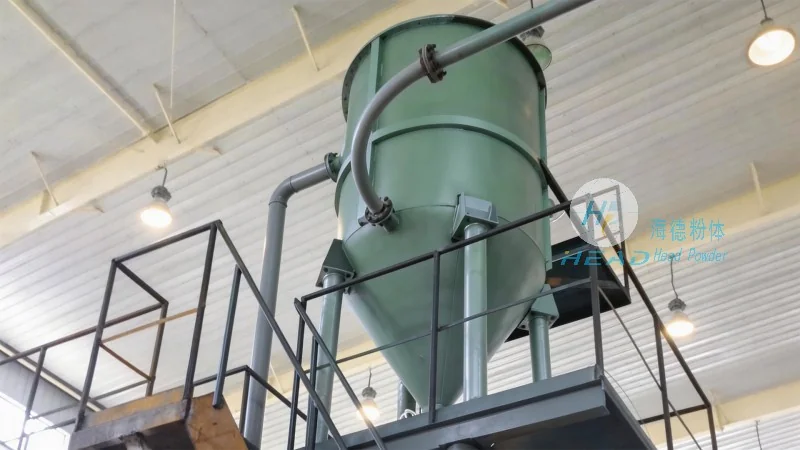
Design Principles Guiding Denitrification Urea Pneumatic Conveying Systems
The design of a denitrification urea pneumatic conveying system is driven by several key principles focused on efficiency, safety, and environmental compliance. One fundamental principle is the minimization of material degradation during transport. Urea is hygroscopic, meaning it absorbs moisture from the air, which can compromise its effectiveness in denitrification processes. Therefore, the system is engineered with sealed storage and conveying lines to prevent moisture absorption. The design also considers the physical properties of urea, including its particle size, density, and flow characteristics, to ensure smooth and consistent transport.
Another critical design principle is the maintenance of consistent air pressure within the system. In pneumatic conveying, stable air pressure is essential for efficient material suspension and transport. The system includes pressure sensors and control valves to monitor and adjust air flow as needed, preventing blockages or system failures. Furthermore, the design incorporates dust collection systems to manage any generated dust, ensuring a clean and safe working environment.
Shandong HeadPowder Engineering Co., Ltd.: Expertise in Denitrification Urea Pneumatic Conveying Systems
Shandong HeadPowder Engineering Co., Ltd., a prominent manufacturer based in China, specializes in the development and implementation of denitrification urea pneumatic conveying systems. With extensive experience in industrial material handling, the company provides tailored solutions that meet the unique requirements of denitrification operations. HeadPowder engineers collaborate closely with clients to assess operational needs, such as urea handling scale, transport distance, and environmental conditions, to design systems that incorporate advanced technology and best practices.
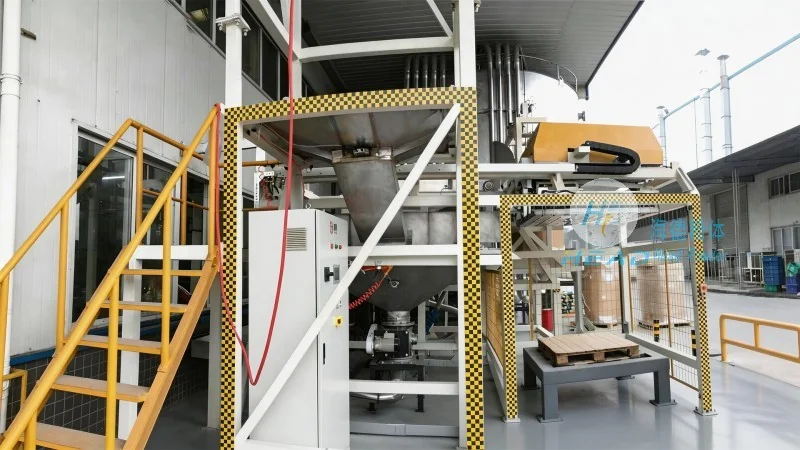
The company's products are recognized for their durability, efficiency, and compliance with industry standards and environmental regulations. By leveraging their expertise, HeadPowder helps industries enhance operational efficiency, reduce costs, and improve overall productivity. The company's commitment to quality and customer satisfaction has established it as a trusted partner in the denitrification equipment market.
Conclusion: The Significance of Efficient Denitrification Urea Pneumatic Conveying Systems
In summary, denitrification urea pneumatic conveying systems are indispensable for industries focused on reducing NOx emissions through denitrification processes. The design and operation of these systems require careful consideration of material properties, system efficiency, and environmental regulations. Companies like Shandong HeadPowder Engineering Co., Ltd. play a vital role in delivering reliable and effective solutions that address the evolving needs of the industry. By investing in high-quality denitrification urea pneumatic conveying systems, industries can achieve greater operational efficiency, ensure compliance with environmental standards, and contribute to a more sustainable industrial landscape.