

What is a Chromium(III) Oxide Pneumatic Conveying System? What Are Its Design Principles?
Chromium(III) oxide, also known as chromium sesquioxide, is a widely used inorganic compound with applications in various industries, including pigments, catalysts, and electronic materials. The efficient and safe transportation of this material is crucial for industrial processes, and the pneumatic conveying system has emerged as a reliable solution. Shandong HeadPowder Engineering Co., Ltd., a leading manufacturer of material handling solutions, specializes in designing and supplying pneumatic conveying systems for various industrial applications. This article explores the concept of a chromium(III) oxide pneumatic conveying system, detailing its design principles and operational aspects.
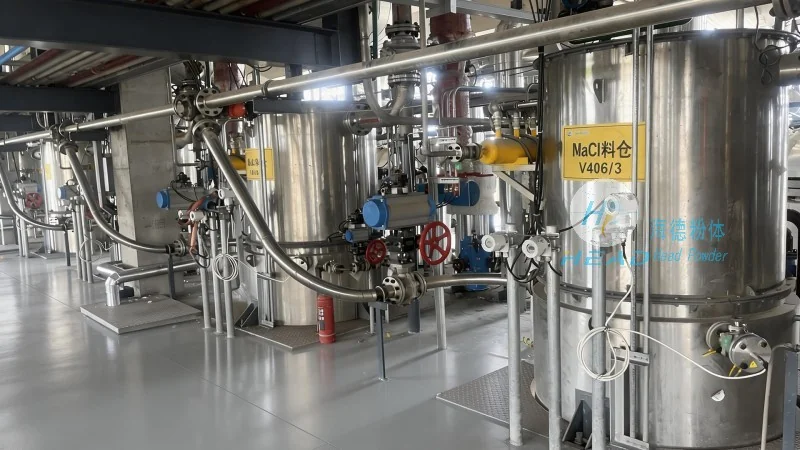
Introduction to Chromium(III) Oxide Pneumatic Conveying Systems
Chromium(III) oxide, a greenish-black solid, is often handled in bulk quantities during manufacturing and processing. Traditional methods like belt conveyors or bucket elevators may not be suitable for fine powders due to issues such as dust generation, material degradation, and operational inefficiencies. Pneumatic conveying systems offer a dust-free, enclosed solution that minimizes product contamination and improves process safety. The system typically consists of a hopper, a conveyor line, and a receiver, all connected by a network of pipes and valves. The key to its operation lies in the use of air or gas to transport the material through the system.
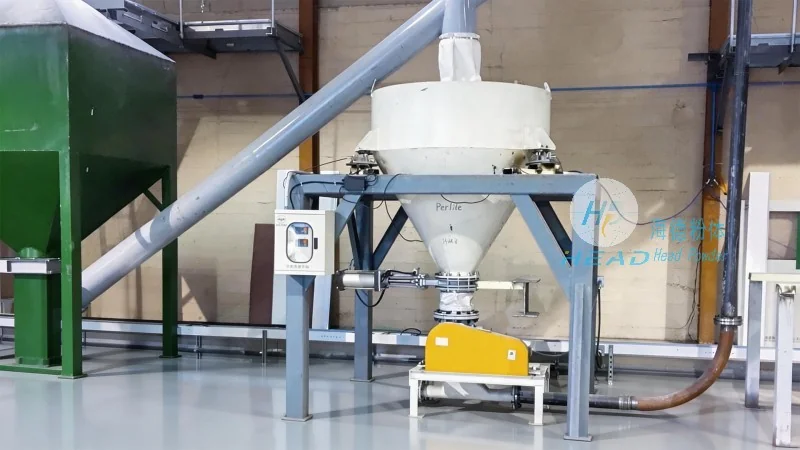
Design Principles of the Pneumatic Conveying System
The design of a chromium(III) oxide pneumatic conveying system is tailored to the specific characteristics of the material and the process requirements. Several critical design principles must be considered to ensure optimal performance and reliability. First, the system must handle the material's flow properties, including its density, particle size distribution, and moisture content. These factors influence the air velocity and pressure required for effective transport. For chromium(III) oxide, which is a fine powder, a low to moderate air velocity is often used to prevent particle segregation and ensure uniform flow. Second, the system must incorporate proper sealing and filtration to maintain a dust-free environment and comply with environmental regulations. This includes using high-quality air filters and sealing mechanisms at the hopper and receiver to prevent leakage. Third, the system's layout and components, such as the hopper design and pipe diameter, are optimized to minimize pressure drop and energy consumption. The hopper is typically designed with a conical bottom to facilitate material discharge and prevent clogging. The pipe diameter is selected based on the material's flow rate and the required air velocity to maintain a stable conveying condition.
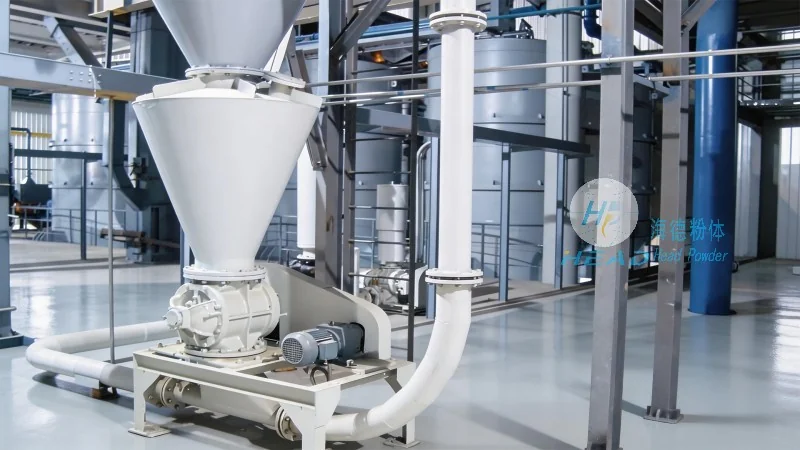
Components and Operational Mechanism
The pneumatic conveying system for chromium(III) oxide consists of several key components that work in tandem to achieve efficient material transport. The primary components include the material hopper, the air supply system, the conveying line, and the receiver. The material hopper is equipped with a feeder, such as a rotary valve or a star valve, which controls the flow of chromium(III) oxide into the system. The air supply system generates the necessary air pressure or velocity, often using a blower or a compressor. The conveying line, made of stainless steel or other corrosion-resistant materials, transports the material and air mixture. The receiver, typically a storage tank or a processing vessel, collects the conveyed material. The operational mechanism involves the feeder releasing the material into the conveying line, where it is entrained by the air stream. The air and material mixture travels through the pipes to the receiver, where the material is separated from the air using a cyclone or a filter. The separated air is then recirculated or vented, depending on the system design.
Advantages and Applications
Chromium(III) oxide pneumatic conveying systems offer several advantages over traditional material handling methods. These include improved safety by eliminating dust exposure, enhanced product quality by preventing contamination, and increased efficiency through reduced downtime and energy consumption. The system is particularly suitable for handling fine powders and sensitive materials, as it provides a closed and controlled environment. The applications of this system are widespread, including in the production of pigments, where chromium(III) oxide is used as a green pigment, and in the manufacturing of electronic components, where it serves as a catalyst or a precursor material. In these industries, the system ensures consistent material flow and quality, contributing to higher product yields and lower operational costs.
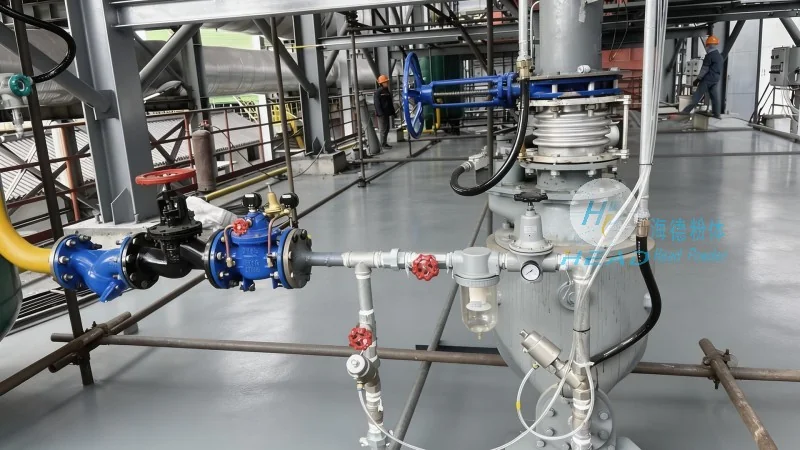
Considerations for System Installation and Maintenance
Proper installation and regular maintenance are essential for the long-term performance and reliability of a chromium(III) oxide pneumatic conveying system. During installation, the system must be carefully aligned and leveled to ensure smooth material flow and prevent blockages. The components, especially the hopper and the conveying line, should be checked for any signs of wear or corrosion, as these can affect the system's efficiency. Regular maintenance includes cleaning the air filters, inspecting the feeder and valves, and checking the air supply system for any leaks or malfunctions. Additionally, the system should be equipped with monitoring devices to track pressure, flow rate, and material level, allowing for timely adjustments and troubleshooting. By adhering to proper installation and maintenance practices, the system can operate efficiently and reliably, minimizing downtime and ensuring consistent material handling performance.