

What is a Glass Fiber Cellulose Pneumatic Conveying System Equipment? What is its Design Principle?
Understanding the glass fiber cellulose pneumatic conveying system equipment and its design principles is crucial for industries dealing with fine powders like glass fiber cellulose. This equipment is engineered to efficiently transport these materials through a pressurized air system, ensuring minimal product degradation and optimal operational efficiency.
Introduction to Glass Fiber Cellulose Pneumatic Conveying Systems
Glass fiber cellulose, a widely used material in various industrial applications such as filtration, insulation, and composite manufacturing, requires specialized handling due to its fine particle size and potential for dust generation. The pneumatic conveying system addresses these challenges by utilizing air to move the material from one location to another without the need for mechanical components like belts or screws. This method not only enhances safety by reducing direct human contact with the material but also minimizes contamination risks, making it ideal for applications where product purity is paramount.
Core Components of the Pneumatic Conveying System
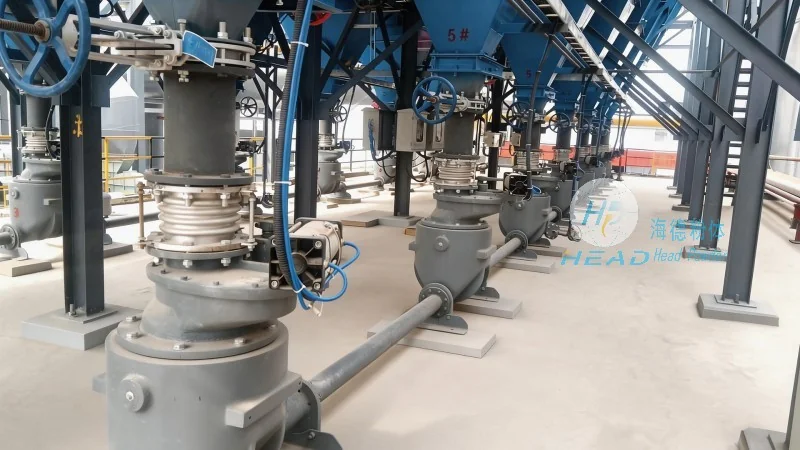
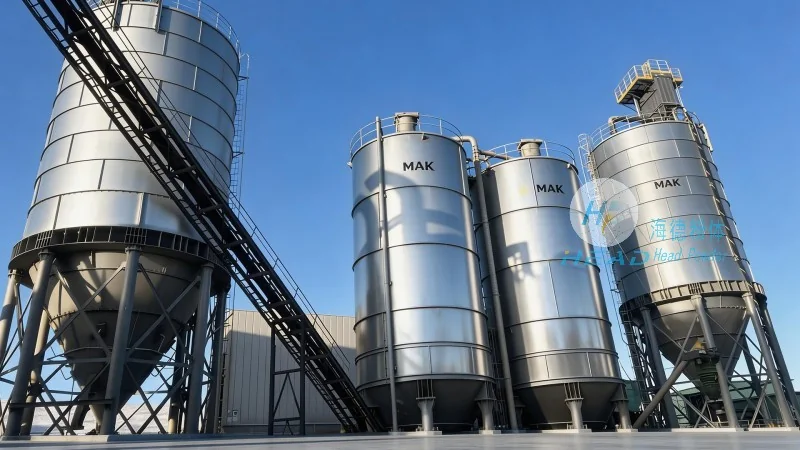
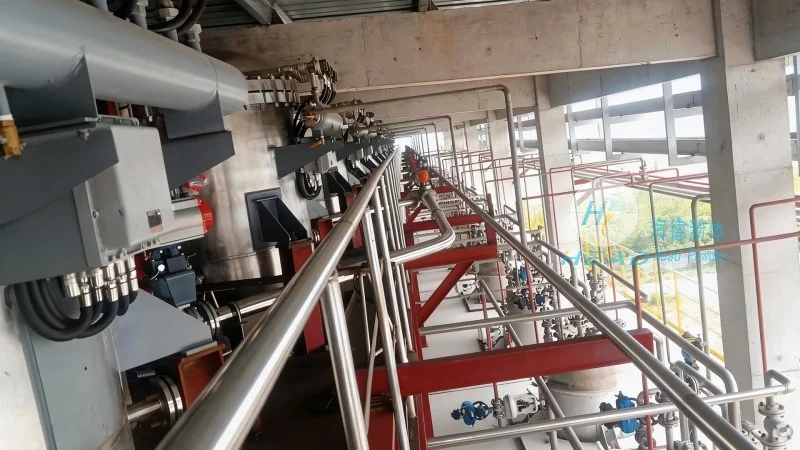
The glass fiber cellulose pneumatic conveying system typically consists of several key components that work in tandem to achieve efficient material transport. These include the material feed hopper, which holds the glass fiber cellulose and regulates the flow rate; the air compressor or blower, which generates the necessary air pressure to move the material; the conveying line, which is usually made of durable materials like stainless steel or special polymers to withstand the abrasive nature of the glass fiber cellulose; and the discharge unit, which controls the release of the material at the destination point. Additionally, the system may incorporate features like air filters and cyclones to separate the material from the air stream, ensuring clean air is released and the material is collected efficiently.
Design Principles and Operational Mechanics
The design of the glass fiber cellulose pneumatic conveying system is based on fundamental principles of fluid dynamics and material handling. The primary design principle is to maintain a consistent air velocity within the conveying line that is sufficient to lift and transport the glass fiber cellulose particles without causing excessive wear on the system components. This velocity is typically determined by the particle size, density, and moisture content of the glass fiber cellulose, as well as the system's pressure and flow rate. Engineers at Shandong HeadPowder Engineering Co., Ltd. carefully calculate these parameters to ensure the system operates within optimal conditions, minimizing energy consumption and maximizing material throughput.
Another critical design principle is the prevention of material buildup and blockages in the conveying line. This is achieved through the use of appropriate pipe diameters, bends, and fittings that allow for smooth flow and prevent particle accumulation. The system may also include features like pulse jets or air knives to clear any potential blockages, ensuring continuous operation. Furthermore, the design considers the impact of temperature and humidity on the glass fiber cellulose, as these factors can affect the material's flow characteristics and the system's performance. By accounting for these variables, the system is engineered to maintain stable operation under various environmental conditions.
Advantages of Using a Glass Fiber Cellulose Pneumatic Conveying System
Implementing a glass fiber cellulose pneumatic conveying system offers several advantages over traditional mechanical conveying methods. One of the most significant benefits is the reduction in product contamination and degradation. Since the material is not in direct contact with mechanical components, there is minimal risk of introducing foreign particles or causing abrasion that could alter the material's properties. This is particularly important for glass fiber cellulose, which is often used in applications where purity is critical, such as in the production of high-performance composites or filtration media.
Another advantage is the enhanced safety and operational flexibility. The pneumatic system eliminates the need for moving parts that could pose a risk of entanglement or mechanical failure, reducing workplace hazards. Additionally, the system can be easily integrated with other processing equipment, allowing for seamless material transfer between different stages of production. This flexibility enables manufacturers to adapt to changing production demands and optimize their workflow without significant modifications to the system.
Energy efficiency is also a key consideration in the design of the glass fiber cellulose pneumatic conveying system. By optimizing the air velocity and pressure, engineers can minimize energy consumption while maintaining the required material throughput. This not only reduces operational costs but also aligns with sustainability goals by lowering the carbon footprint of the manufacturing process. The system's design also allows for easy maintenance and repair, as components are accessible and can be replaced without extensive downtime, ensuring continuous production and minimizing lost productivity.
Customization and Application-Specific Solutions
Shandong HeadPowder Engineering Co., Ltd. specializes in providing customized glass fiber cellulose pneumatic conveying systems tailored to the specific needs of each client. The company's engineers work closely with customers to understand their unique production requirements, including the type and quantity of glass fiber cellulose, the distance and height of material transport, and the desired operational parameters. Based on this information, they design and manufacture a system that meets all the client's specifications while adhering to industry standards and safety regulations.
Customization may involve selecting different materials for the conveying line, such as high-grade stainless steel or corrosion-resistant polymers, to handle the specific properties of the glass fiber cellulose. The system may also be equipped with advanced control systems that allow for real-time monitoring of flow rates, pressure, and temperature, enabling operators to adjust the system parameters as needed to maintain optimal performance. Additionally, the company offers after-sales support and maintenance services to ensure the system operates at peak efficiency throughout its lifespan.
Conclusion
In conclusion, the glass fiber cellulose pneumatic conveying system equipment, designed by Shandong HeadPowder Engineering Co., Ltd., is a sophisticated solution for efficiently and safely transporting glass fiber cellulose. By adhering to sound design principles and utilizing advanced engineering techniques, the system ensures minimal product degradation, high operational efficiency, and enhanced safety. The customization options available from the company allow for tailored solutions that meet the specific needs of various industries, making it an ideal choice for manufacturers seeking reliable and effective material handling solutions.