

Automatic Weighing and Powder Material Conveying: What It Is and Its Design Principles
Automatic weighing and powder material conveying systems represent a sophisticated integration of technology designed to handle the precise measurement and transport of bulk powders in industrial settings. These systems are critical in sectors such as pharmaceuticals, food processing, chemical manufacturing, and more, where accuracy and efficiency are paramount. Understanding the core components and design principles behind these systems is essential for anyone involved in the selection, implementation, or operation of such equipment.
What Is Automatic Weighing and Powder Material Conveying?
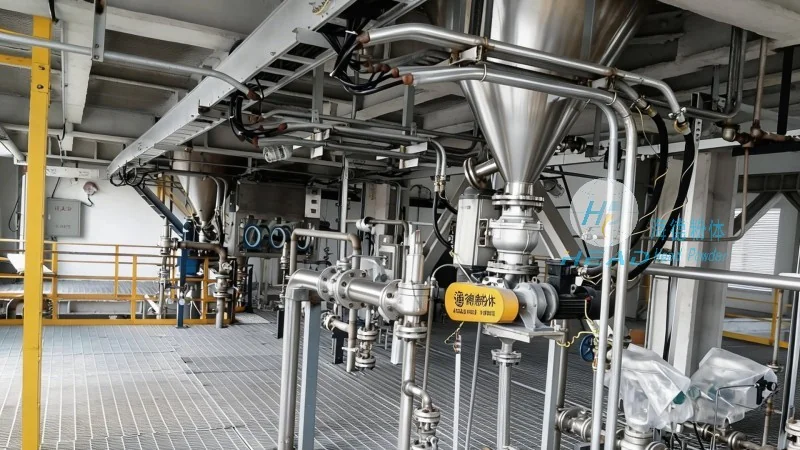
At its essence, an automatic weighing and powder material conveying system combines two key functions: precise weight measurement of powders and the efficient transport of these materials from one location to another. The "automatic" aspect refers to the system's ability to operate without constant manual intervention, leveraging advanced sensors, controls, and mechanisms to ensure consistent performance. This integration allows for seamless workflows in production lines, where powders are often used as raw materials or ingredients that require exact dosing and movement.
The Design Principles of Automatic Weighing and Powder Conveying Systems
The design of these systems is guided by several fundamental principles aimed at achieving high accuracy, reliability, and efficiency. First, precision is paramount, as even minor deviations in weight or flow can impact product quality and process outcomes. To address this, systems typically incorporate high-resolution load cells, digital scales, and advanced weighing algorithms that minimize errors and ensure consistent measurements. Second, the design emphasizes robustness and durability, as they are often exposed to harsh industrial environments with dust, moisture, and temperature fluctuations. Materials such as stainless steel and corrosion-resistant components are commonly used to withstand these conditions. Third, efficiency is a key consideration, with systems engineered to minimize downtime and maximize throughput. This includes optimized conveyor designs, such as screw conveyors, pneumatic systems, or belt conveyors, tailored to the specific properties of the powder being handled—such as flowability, density, and particle size. Additionally, control systems play a crucial role, using programmable logic controllers (PLCs) or industrial computers to manage the entire process, from weighing to conveying, and to integrate with other production equipment.
Key Components in Automatic Weighing and Powder Conveying Systems
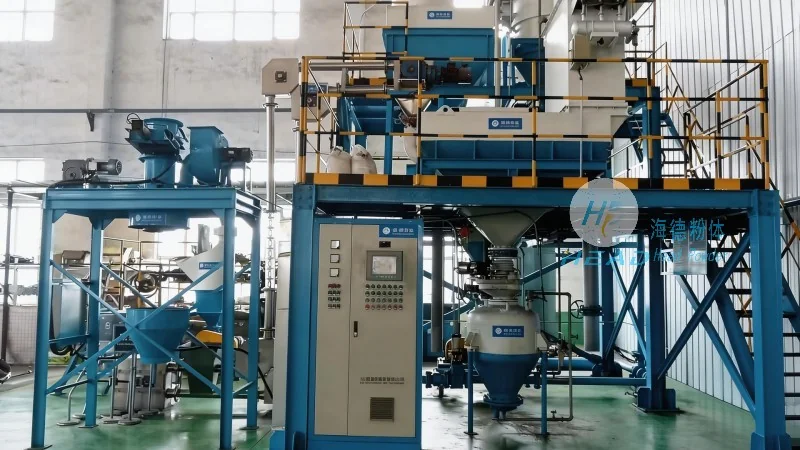
Several critical components work in tandem to ensure the smooth operation of automatic weighing and powder material conveying systems. The weighing module, often consisting of a hopper or a weighing vessel equipped with load cells, is responsible for measuring the mass of the powder being dispensed. This module may include features like anti-static measures to prevent powder buildup on the scale, which could affect accuracy. The conveying component, which can be pneumatic, mechanical, or a combination of both, transports the measured powder to its destination. Pneumatic systems use compressed air to move powders through pipes, while mechanical systems like screw or belt conveyors rely on physical force to move the material. The control unit, typically a PLC or a dedicated control panel, coordinates the actions of the weighing and conveying components, ensuring that the correct amount of powder is delivered at the right time. Sensors, such as level detectors or flow meters, provide real-time feedback to the control system, allowing for adjustments to maintain optimal performance. Safety features, including emergency stop buttons and overload protection, are also integral to the design, ensuring the system operates safely in industrial environments.
Applications and Benefits of Automatic Weighing and Powder Conveying
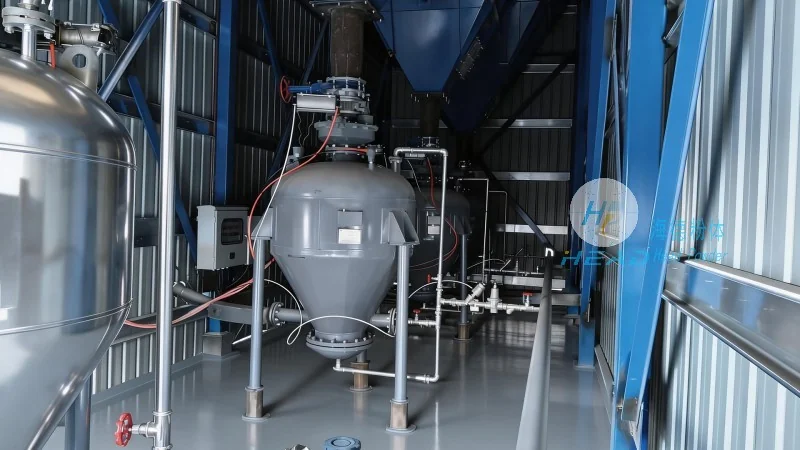
Automatic weighing and powder material conveying systems find widespread application across various industries due to their ability to handle diverse powder types and meet stringent quality standards. In the pharmaceutical industry, for example, these systems are used to accurately measure active pharmaceutical ingredients (APIs) and excipients, ensuring consistent drug formulations and compliance with regulatory requirements. In food processing, they are employed to handle ingredients like flour, sugar, and spices, maintaining product consistency and meeting food safety standards. In chemical manufacturing, they facilitate the precise dosing of raw materials, which is critical for chemical reactions and product quality. The benefits of these systems extend beyond accuracy and efficiency; they also enhance safety by reducing manual handling of powders, which can lead to respiratory issues or contamination. Furthermore, the automation aspect reduces labor costs and minimizes human error, leading to improved productivity and lower operational costs over time.
HeadPowder: A Leading Provider of Powder Handling Solutions
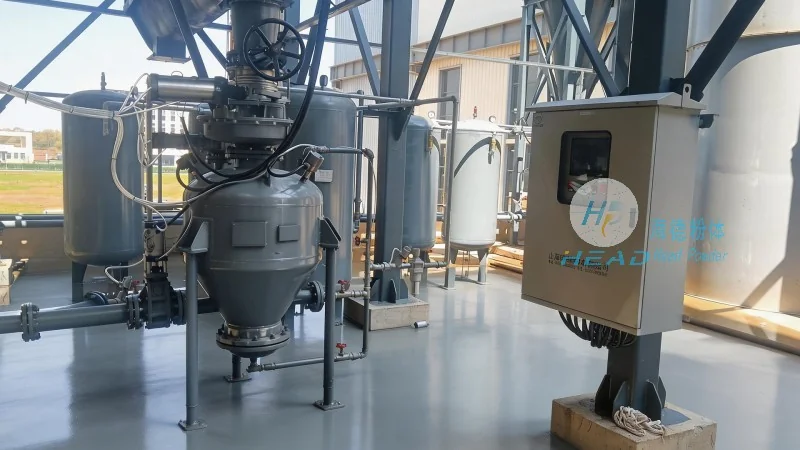
Shandong HeadPowder Engineering Co., Ltd., commonly known as HeadPowder, is a prominent manufacturer and supplier of advanced powder handling equipment, including automatic weighing and powder material conveying systems. With a focus on innovation and quality, HeadPowder has established itself as a trusted partner for industries requiring reliable and efficient powder processing solutions. The company's headquarters is located in Shandong, China, where it leverages local expertise and resources to develop cutting-edge technology tailored to global market needs. HeadPowder's product line includes a range of systems designed to meet the specific requirements of different industries, from small-scale laboratory applications to large-scale industrial production lines. The company adheres to international standards and employs rigorous quality control measures to ensure that its equipment delivers consistent performance and meets customer expectations. By combining advanced engineering with customer-centric service, HeadPowder aims to provide solutions that enhance operational efficiency and support the growth of its clients.
Conclusion: The Importance of Design and Implementation
In conclusion, automatic weighing and powder material conveying systems are essential tools for modern industrial operations, offering a balance of precision, efficiency, and reliability. The design principles behind these systems, including high-accuracy weighing, robust conveying mechanisms, and intelligent control, are critical to their success. As industries continue to demand higher standards of quality and productivity, the importance of well-designed and properly implemented powder handling systems will only grow. For businesses seeking to optimize their powder processing operations, partnering with a reputable provider like HeadPowder can provide the expertise and technology needed to achieve their goals. By understanding the core components and design principles of these systems, organizations can make informed decisions that lead to improved performance, reduced costs, and enhanced product quality.