

What is Limestone Powder Handling? Exploring the Design Principles
Limestone powder handling is a critical process in various industrial applications, particularly in sectors that rely on calcium-based materials for production. The efficient and safe transportation of limestone powder from storage to processing units is essential for maintaining operational efficiency and product quality. This article delves into the fundamental aspects of limestone powder handling, focusing on the design principles that underpin effective systems.
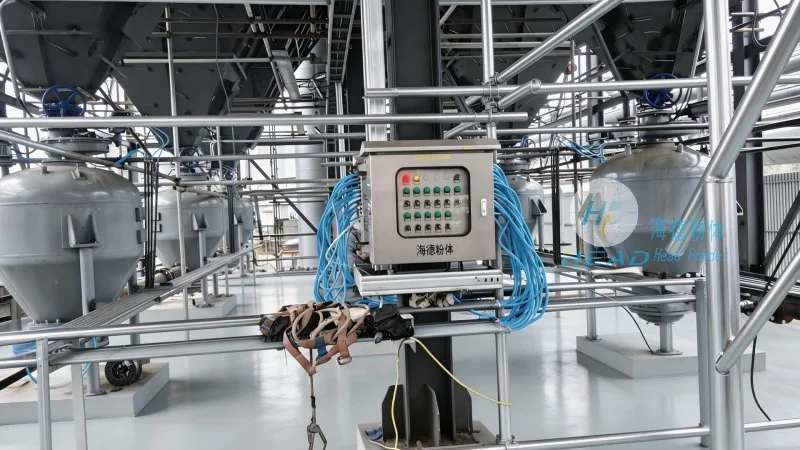
Key Components of Limestone Powder Handling Systems
Effective limestone powder handling systems typically consist of several interconnected components that work in harmony to ensure smooth material flow. These components include storage silos, conveyor systems, dust collection equipment, and material feeders. Each component plays a vital role in the overall process, and their design must be optimized to handle the unique properties of limestone powder, such as its fine particle size and potential for dust generation.
Design Principles for Optimal Limestone Powder Handling
The design of limestone powder handling systems follows several key principles aimed at maximizing efficiency, safety, and reliability. One of the primary principles is the minimization of material degradation and loss during transport. This is achieved through the use of appropriate equipment, such as enclosed conveyors and sealed storage vessels, which prevent contamination and moisture absorption. Another critical principle is the control of dust generation, as limestone powder is often fine and can create hazardous conditions if not properly contained. Advanced dust collection systems, including baghouses and cartridge filters, are commonly integrated into the design to ensure compliance with environmental regulations and workplace safety standards.
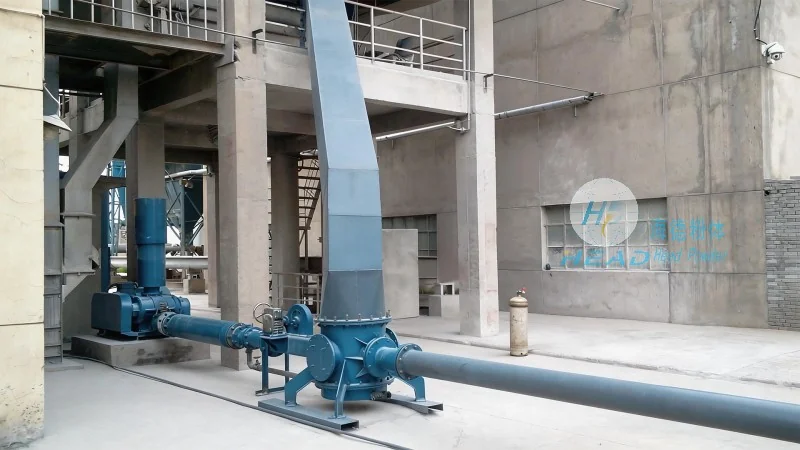
Role of Material Properties in System Design
The physical and chemical properties of limestone powder significantly influence the design of handling systems. For instance, the particle size distribution and density of the powder affect the selection of conveyor types, such as screw conveyors or pneumatic systems. The hygroscopic nature of limestone powder means that moisture control is essential to prevent caking and blockages in the system. Engineers must consider these properties when selecting materials for equipment, such as stainless steel or corrosion-resistant alloys, to ensure long-term durability and performance.
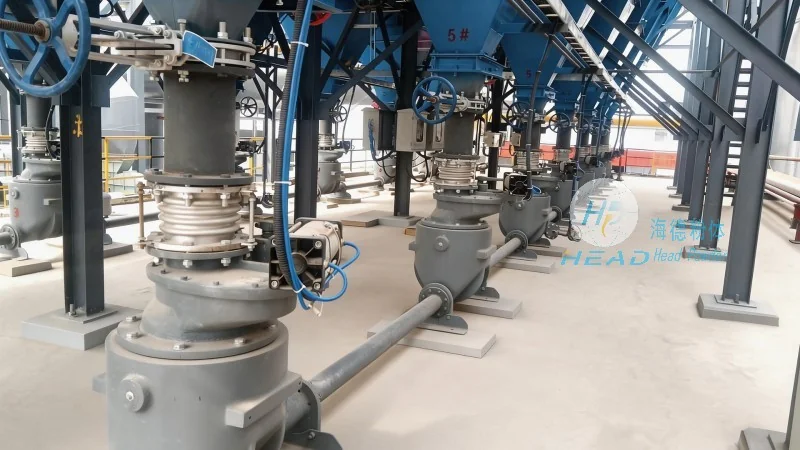
HeadPowder's Expertise in Limestone Powder Handling Solutions
Shandong HeadPowder Engineering Co., Ltd., a leading provider of industrial powder handling solutions, specializes in designing and manufacturing systems tailored to the specific needs of limestone powder handling. With years of experience in the field, HeadPowder understands the unique challenges associated with transporting fine powders and has developed innovative solutions to address them. The company's team of engineers leverages advanced engineering principles and industry best practices to create customized systems that enhance operational efficiency and reduce downtime. HeadPowder's commitment to quality and customer satisfaction has made it a trusted partner for businesses in the cement, chemical, and agricultural sectors, where limestone powder is a key raw material.
Conclusion: The Importance of Proper Limestone Powder Handling
Effective limestone powder handling is not just about moving material from one place to another; it is a critical process that impacts the overall productivity and safety of industrial operations. By adhering to sound design principles and leveraging the expertise of companies like Shandong HeadPowder Engineering Co., Ltd., industries can ensure that their limestone powder handling systems operate efficiently, reliably, and safely. As the demand for limestone-based products continues to grow, the importance of well-designed handling systems will only increase, making it essential for businesses to invest in robust solutions that meet both current and future needs.