

What is Biocatalyst Powder Handling? And What Are Its Design Principles?
Biocatalyst powder handling is a specialized field within the pharmaceutical and biotechnology industries, focusing on the efficient and safe transport of enzyme powders. These enzymes, often used as biocatalysts in various industrial processes, require precise handling to maintain their activity and integrity. The process involves several key components and design principles that ensure optimal performance.
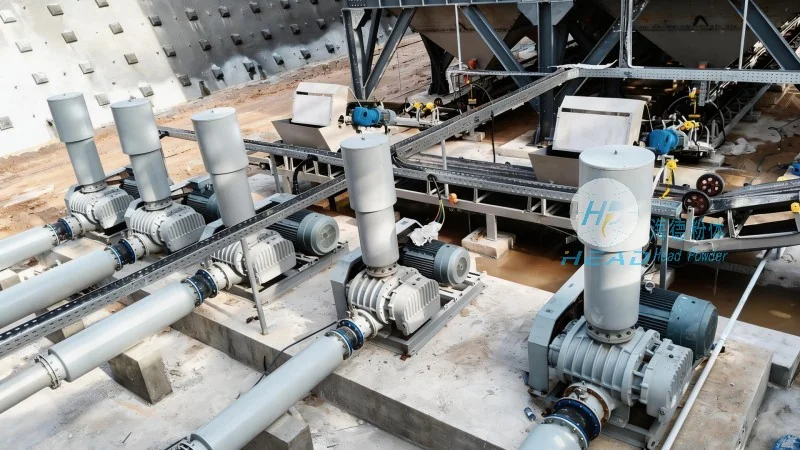
HeadPowder: A Leader in Biocatalyst Powder Handling Solutions
HeadPowder, a leading company in this sector, specializes in developing advanced systems for biocatalyst powder handling. With a strong presence in China, particularly in Shandong province, HeadPowder Engineering Co., Ltd. has established itself as a trusted provider of solutions tailored to the unique needs of the biotech industry.
The Core Challenge: Maintaining Enzyme Stability
The core challenge in biocatalyst powder handling is maintaining the enzyme's stability during transport. Enzymes are sensitive to environmental factors such as temperature, humidity, and exposure to air, which can lead to degradation or loss of activity. To address this, modern handling systems incorporate several design elements. One critical aspect is the use of sealed, airtight containers that protect the powder from moisture and oxygen. These containers often feature inert gas flushing to create an oxygen-free environment, further preserving the enzyme's activity. For instance, nitrogen or argon gas is commonly used to displace air and prevent oxidation, which is particularly important for enzymes that are prone to oxidation.
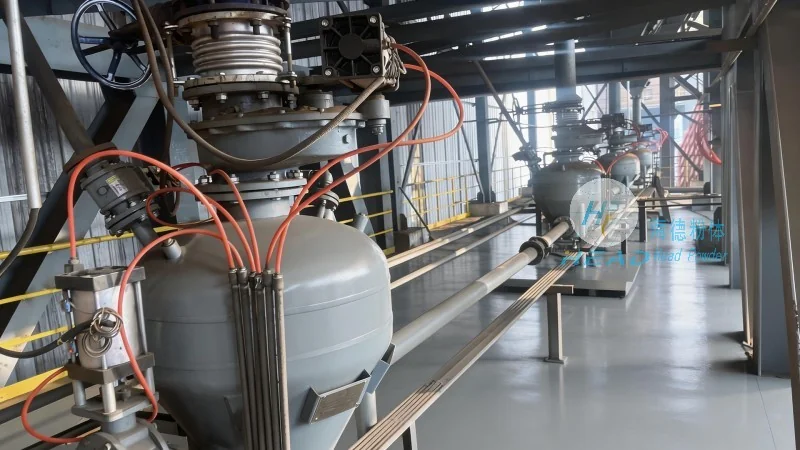
Temperature Control in Biocatalyst Handling
Another key design principle is the control of temperature during transport. Many biocatalysts are temperature-sensitive, and maintaining a consistent, low temperature is essential. HeadPowder's systems typically include temperature-controlled storage and transport units, often using refrigerated or insulated containers to keep the powder within the optimal temperature range. This is achieved through the use of thermostatically controlled cooling systems and insulating materials that minimize heat transfer. The temperature range is carefully selected based on the specific enzyme's characteristics, ensuring that it remains active and functional throughout the handling process.
Mechanical Handling and Contamination Prevention
Mechanical handling systems also play a crucial role in biocatalyst powder handling. These systems are designed to minimize particle attrition and agglomeration, which can affect the enzyme's performance. Gentle handling mechanisms, such as vibration-free conveyors and low-speed augers, are used to move the powder without causing damage. Additionally, the use of anti-static materials and proper grounding helps prevent electrostatic discharge, which can be detrimental to sensitive enzymes. For example, conveyor belts made from conductive materials and properly grounded equipment can effectively dissipate static charges, preventing the accumulation of static electricity that could otherwise attract dust or cause sparks.
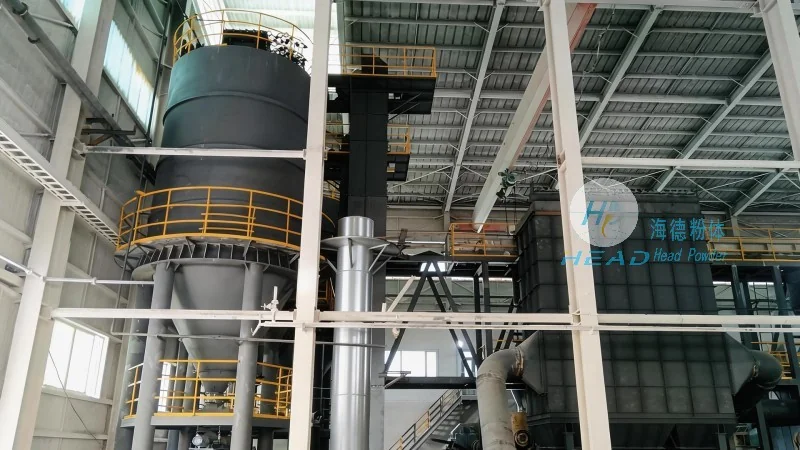
Contamination Control and Material Selection
The design of biocatalyst powder handling systems also considers the need for contamination control. Enzymes are often used in processes where purity is critical, such as in pharmaceutical manufacturing. Therefore, the handling systems must be constructed from materials that are non-reactive and easy to clean. Stainless steel and food-grade plastics are commonly used in the construction of these systems to prevent cross-contamination and ensure that the enzyme remains free from impurities. The surfaces are often smooth and free of crevices to facilitate cleaning and prevent the buildup of residues. Sanitization protocols are also integrated into the system design, allowing for thorough cleaning and sterilization before use.
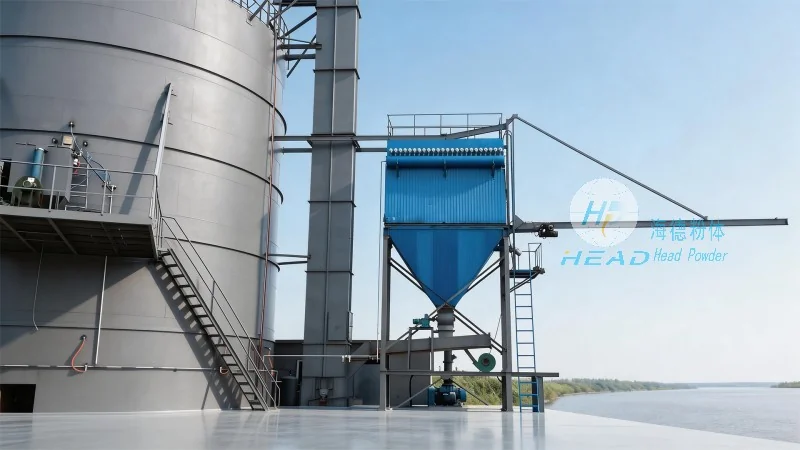
Precise Dosing and Measurement Systems
In addition to the physical handling aspects, the design of biocatalyst powder handling systems also addresses the need for accurate dosing and measurement. Precise control of the powder flow is essential for maintaining consistent enzyme activity in downstream processes. HeadPowder's systems incorporate advanced flow control mechanisms, such as gravimetric feeders and volumetric meters, to ensure accurate dosing. This precision is crucial for optimizing the biocatalytic reactions and achieving consistent product quality. Gravimetric feeders, for example, measure the mass of the powder being dispensed, providing a highly accurate and repeatable flow rate. This is particularly important in processes where the enzyme's concentration directly impacts the reaction rate and product yield.
Engineering Excellence at HeadPowder Engineering Co., Ltd.
The integration of these design principles into a cohesive system requires careful engineering and attention to detail. HeadPowder Engineering Co., Ltd., based in Shandong, China, leverages its expertise in material science and process engineering to develop customized solutions for its clients. By combining innovative design with rigorous testing, HeadPowder ensures that its biocatalyst powder handling systems meet the highest standards of performance and reliability. The company's research and development team works closely with clients to understand their specific requirements, such as the type of enzyme, the scale of production, and the downstream process, to tailor a system that maximizes efficiency and minimizes downtime.