

What is Wheat Bran Powder Conveying? And What Are Its Design Principles?
Wheat bran, a byproduct of wheat milling, is rich in fiber and nutrients, making it a valuable ingredient in various food products and animal feed. Efficient and reliable transportation of wheat bran powder is crucial for maintaining product quality and operational efficiency in processing facilities. This article explores the concept of wheat bran powder conveying and the fundamental design principles that underpin effective systems for handling this fine, abrasive material.
Understanding the Core Function of Wheat Bran Powder Conveying
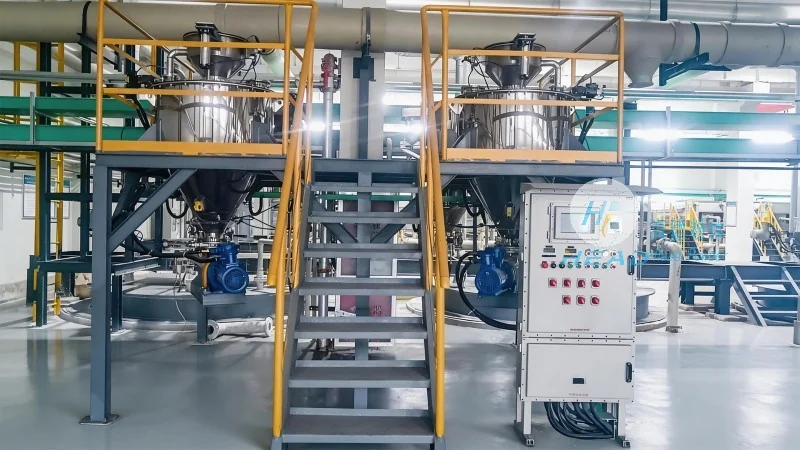
The primary objective of wheat bran powder conveying is to transport the fine, dry powder from storage silos or processing equipment to downstream equipment such as mixers, extruders, or packaging lines. This process requires specialized equipment that can handle the unique characteristics of wheat bran, including its fine particle size, tendency to create dust, and potential for caking or bridging in storage. Conveying systems must ensure minimal product degradation, prevent contamination, and maintain consistent flow rates to support smooth production workflows.
Key Design Principles for Efficient Wheat Bran Powder Handling
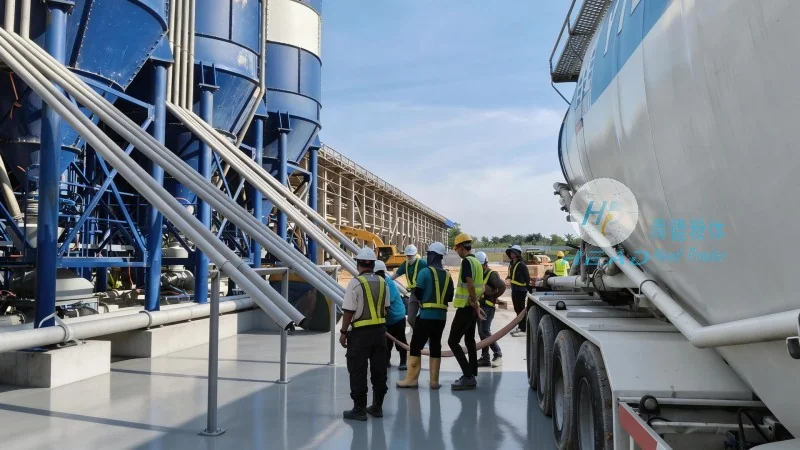
Effective wheat bran powder conveying systems are built on several critical design principles that address the material's physical properties and operational demands. First, the system must utilize equipment that minimizes friction and wear, as wheat bran is abrasive and can quickly damage standard conveying components. Pneumatic conveying systems, often employing airlocks and flexible hoses, are commonly used to transport the powder without direct mechanical contact, reducing wear and tear. Second, the design must incorporate dust control measures, such as sealed hoppers and enclosed pipelines, to prevent airborne contamination and protect both the product and the environment. Third, the system should allow for adjustable flow rates and pressure control to accommodate varying production demands and prevent overloading or underflow. Additionally, the use of materials like stainless steel or corrosion-resistant alloys is essential to withstand the acidic and abrasive nature of wheat bran.
The Role of HeadPowder in Providing Specialized Conveying Solutions
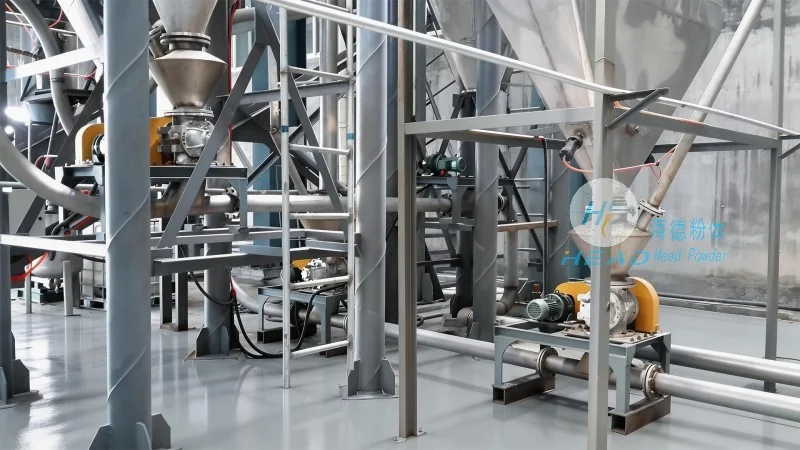
Shandong HeadPowder Engineering Co., Ltd., a leading provider of powder handling solutions, specializes in designing and manufacturing custom conveying systems tailored to the unique needs of wheat bran processing. With years of experience in the industry, HeadPowder understands the challenges associated with handling fine, abrasive powders and has developed innovative solutions to address them. The company's expertise lies in integrating advanced technologies, such as high-efficiency airlocks, flexible hose assemblies, and automated control systems, to create reliable and efficient conveying systems. HeadPowder's team of engineers works closely with clients to assess their specific operational requirements, ensuring that the final system meets all quality, safety, and performance standards.
Addressing Specific Challenges in Wheat Bran Powder Transportation
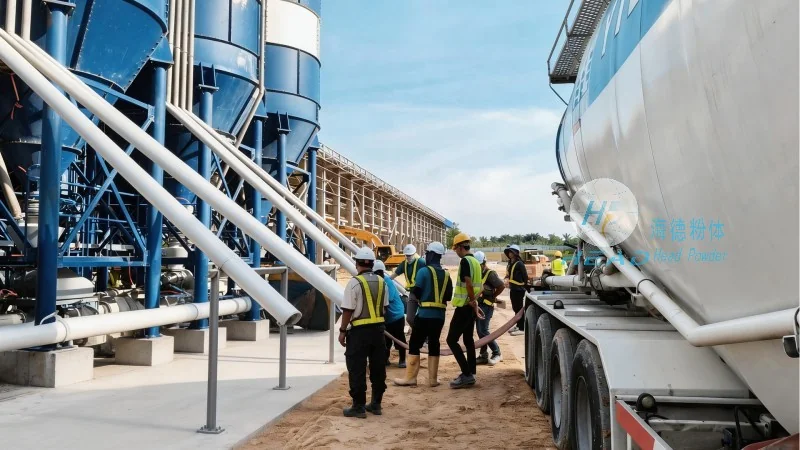
Despite the importance of efficient wheat bran conveying, several challenges can arise during the process. One common issue is the formation of bridging or rat-holing in silos, which can lead to uneven flow and equipment downtime. To mitigate this, HeadPowder's systems incorporate agitators or vibrators that break up material compaction and ensure consistent flow. Another challenge is the risk of dust accumulation, which can affect air quality and product purity. The company's sealed and enclosed designs, combined with effective filtration systems, help maintain a clean and safe working environment. Furthermore, the need for gentle handling to preserve the nutritional value of wheat bran is addressed through low-velocity conveying methods and minimal mechanical contact, ensuring that the powder remains intact and free from damage.