

What is Barite Powder Handling? And What Are Its Design Principles?
Barite powder handling is a critical process in various industrial applications, particularly in mining, construction, and chemical industries. This process involves the efficient transportation and management of barite powder, a heavy mineral used as a weighting agent in drilling fluids. Understanding the fundamentals of barite powder handling and its design principles is essential for optimizing operational efficiency and ensuring safety in industrial settings.
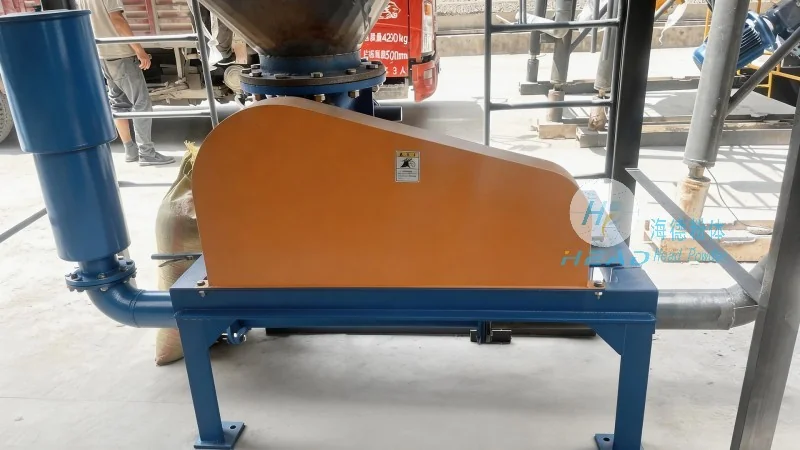
What is Barite Powder Handling?
Barite powder handling refers to the methods and systems used to move, store, and process barite powder from its source to its final destination. This process typically includes several stages, such as material collection, storage, conveying, and distribution. The goal is to maintain the quality and integrity of the barite powder while minimizing dust generation, material loss, and operational risks. Effective barite powder handling systems are designed to handle the unique properties of barite powder, which can be abrasive, fine-grained, and prone to caking or agglomeration under certain conditions.
Key Design Principles for Barite Powder Handling Systems
The design of barite powder handling systems is guided by several key principles to ensure optimal performance and reliability. These principles include material flow optimization, equipment selection based on powder characteristics, and integration of safety and environmental controls. Material flow optimization focuses on creating a smooth and continuous flow of barite powder through the system, minimizing bottlenecks and ensuring consistent throughput. This involves careful consideration of the powder's particle size distribution, density, and flowability, as these factors directly impact the choice of conveying equipment and system layout.
Equipment selection is another critical design principle. Barite powder handling systems often utilize a combination of equipment, including silos for storage, conveyors (such as belt conveyors or pneumatic systems) for transportation, and feeders for controlled discharge. The choice of equipment depends on the specific application requirements, such as the distance to be covered, the volume of material to be handled, and the need for dust control. For example, pneumatic conveying systems are suitable for long-distance transport and can handle fine powders effectively, while belt conveyors are ideal for bulk material handling and can be integrated with other processing equipment.
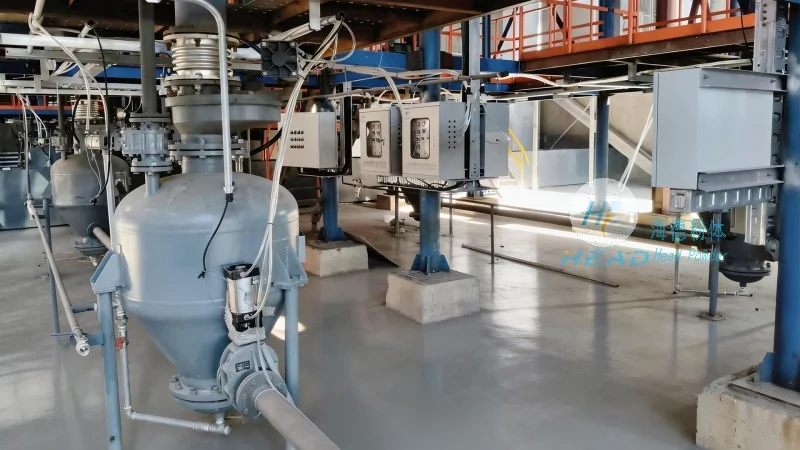
Integration of safety and environmental controls is also a fundamental design principle. Barite powder handling operations can generate significant dust, which poses health risks to workers and environmental concerns. Therefore, systems are designed with dust suppression measures, such as enclosures, ventilation systems, and dust collection equipment. Additionally, safety features like emergency stop buttons, overload protection, and material flow monitoring are incorporated to prevent accidents and ensure smooth operation. The design also considers the need for easy maintenance and cleaning to prevent material buildup and ensure long-term system performance.
Components of a Typical Barite Powder Handling System
A typical barite powder handling system consists of several key components that work together to achieve efficient material handling. The primary components include a storage silo, a feeder, a conveying system, and a discharge or distribution unit. The storage silo is used to store the barite powder in bulk, providing a buffer for the system and ensuring a steady supply of material. The silo is typically made of durable materials, such as steel or concrete, and equipped with a roof to protect the material from weather and contaminants.
The feeder is responsible for controlling the flow of barite powder from the silo to the conveying system. There are various types of feeders, including rotary valves, vibratory feeders, and screw feeders, each with its own advantages depending on the application. For example, rotary valves are commonly used for their ability to handle a wide range of materials and provide accurate flow control, while vibratory feeders are suitable for fine powders that may tend to clog other types of feeders.
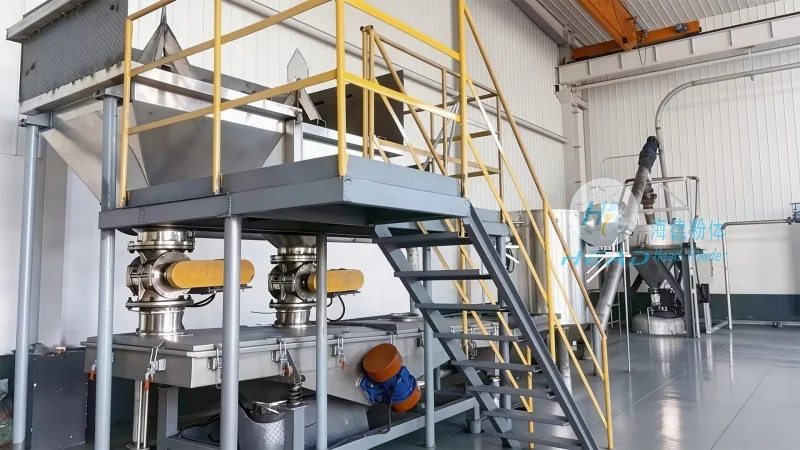
The conveying system is the core of the barite powder handling system, responsible for transporting the powder from the feeder to the discharge point. The choice of conveying method depends on the system's requirements, including distance, capacity, and material characteristics. Pneumatic conveying systems use air to move the powder through a pipeline, while mechanical conveyors, such as belt or chain conveyors, use mechanical force to transport the material. Pneumatic systems are often preferred for long-distance transport and can handle fine powders effectively, while mechanical systems are suitable for shorter distances and bulk material handling.
The discharge or distribution unit is the final component of the system, responsible for delivering the barite powder to its intended destination. This may include a mixer, a storage bin, or a processing unit, depending on the application. The unit is designed to ensure that the powder is discharged evenly and without causing blockages or spillage. In some cases, additional equipment, such as a classifier or a dryer, may be integrated into the system to further process the barite powder before it is used.
Applications of Barite Powder Handling Systems
Barite powder handling systems are widely used in various industries due to the versatility of barite powder. In the oil and gas industry, barite is used as a weighting agent in drilling fluids to increase the density of the fluid and prevent blowouts. The handling systems ensure that the barite powder is delivered to the drilling site in a consistent and controlled manner, maintaining the quality of the drilling fluid. In the construction industry, barite is used as a filler in concrete and other building materials, improving the strength and durability of the products. The handling systems help to ensure that the barite powder is mixed evenly with other materials, resulting in high-quality construction products.
In the chemical industry, barite is used as a pigment and a filler in various products, such as paints, plastics, and rubber. The handling systems ensure that the barite powder is processed and delivered to the production lines in a clean and efficient manner. Additionally, barite is used in the manufacturing of radiation shielding materials, where its high density helps to absorb radiation. The handling systems are designed to maintain the purity of the barite powder, which is critical for the effectiveness of the shielding materials.
Importance of Proper Design and Maintenance
Proper design and regular maintenance of barite powder handling systems are crucial for ensuring their long-term performance and reliability. A well-designed system minimizes the risk of material loss, dust generation, and equipment failure, which can lead to costly downtime and safety hazards. Regular maintenance, including cleaning, lubrication, and inspection of components, helps to prevent issues before they become major problems. Additionally, monitoring the system's performance, such as flow rates and pressure, can help to identify potential issues early and allow for timely adjustments.
Shandong HeadPowder Engineering Co., Ltd., a leading provider of barite powder handling solutions, specializes in designing and manufacturing customized systems tailored to the specific needs of their clients. With years of experience in the industry, the company understands the unique challenges of handling barite powder and provides comprehensive solutions that meet the highest standards of efficiency, safety, and environmental compliance. The company's team of experts works closely with clients to assess their requirements and develop systems that optimize material flow, minimize operational costs, and ensure the safety of their operations.
Located in Shandong, China, Shandong HeadPowder Engineering Co., Ltd. leverages advanced technology and engineering expertise to deliver high-quality barite powder handling systems. The company's commitment to quality and customer satisfaction has made it a trusted partner for businesses in various industries, helping them to improve their operational efficiency and achieve their production goals. By focusing on the design principles and components discussed above, the company ensures that its systems are reliable, durable, and effective in handling barite powder, providing long-term value to its clients.