

What is Iron Oxide Powder Handling? Exploring the Design Principles
Iron oxide powder handling is a critical process in various industrial applications, particularly in sectors that rely on iron oxide as a key raw material. The efficient and safe transport of these fine powders is essential for maintaining production efficiency and product quality. This article explores the fundamental aspects of iron oxide powder handling, focusing on the design principles that underpin effective systems.
Key Components of Iron Oxide Powder Handling Systems
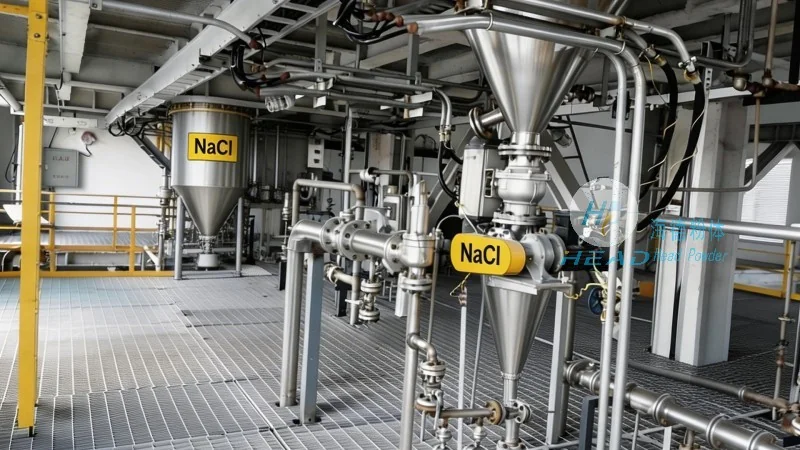
Effective iron oxide powder handling systems typically consist of several key components that work in tandem to ensure smooth operation. These components include feeders, conveyors, storage silos, and control systems. Each component plays a vital role in the overall process, from the initial feeding of the powder to its final discharge or processing. The selection and integration of these components are crucial for achieving optimal performance. For instance, rotary feeders are commonly used to feed iron oxide powders due to their ability to handle fine, cohesive materials without causing blockages. Vibratory feeders may also be employed to assist in material flow, especially when dealing with powders that tend to bridge or clog. Conveyors, such as belt or pneumatic systems, are then used to transport the powder from the storage silo to the processing equipment. The control systems, which may include sensors and automation, monitor the flow rates, pressure, and other parameters to ensure the system operates within safe and efficient limits.
Design Principles for Efficient Iron Oxide Powder Transport
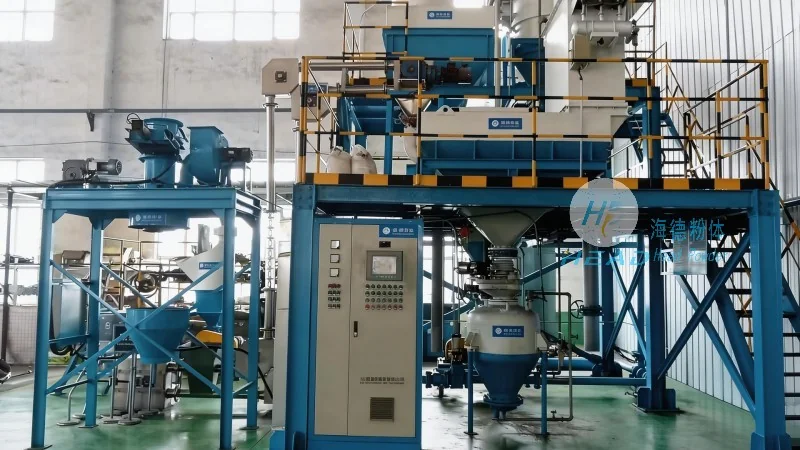
The design principles for iron oxide powder handling are centered on several key factors, including material properties, system efficiency, and safety considerations. Iron oxide powders are known for their fine particle size and cohesive nature, which can lead to issues such as caking and bridging in storage and transport. Therefore, the design must address these challenges through appropriate equipment selection and system configuration. For instance, the use of rotary feeders or vibratory feeders can help prevent material buildup and ensure consistent flow rates. Additionally, the design may incorporate features like air classification or magnetic separation to maintain the purity of the powder during handling. The system must also consider the potential for dust generation and implement appropriate dust control measures, such as enclosures and filtration systems, to comply with environmental regulations and ensure worker safety.
The Role of HeadPowder in Iron Oxide Powder Handling Solutions
Shandong HeadPowder Engineering Co., Ltd., commonly known as HeadPowder, specializes in the design and manufacturing of advanced powder handling systems. With a strong focus on innovation and customer-centric solutions, HeadPowder has established itself as a leading provider in the industry. The company's expertise lies in understanding the unique challenges associated with iron oxide powders and developing tailored solutions that meet the specific needs of clients. By leveraging years of experience and cutting-edge technology, HeadPowder ensures that its systems are not only efficient but also reliable and safe for operation. HeadPowder's team of engineers works closely with clients to assess their specific requirements, from the type of iron oxide powder to the scale of the operation, and designs systems that optimize performance while minimizing downtime and maintenance costs.
Practical Applications and Industry Standards
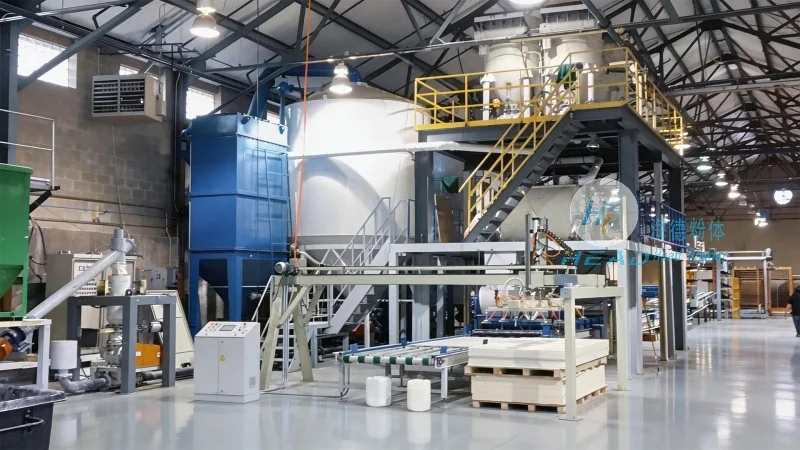
Iron oxide powder handling finds applications in a wide range of industries, including pigments, coatings, and pharmaceuticals. In the pigment industry, for example, iron oxide powders are used to produce various colors, and the handling systems must maintain the color integrity and particle size distribution. In the pharmaceutical sector, the handling of iron oxide powders is critical for ensuring the purity and consistency of the final product. Industry standards, such as those set by the American Society of Mechanical Engineers (ASME) and the International Organization for Standardization (ISO), provide guidelines for the design and operation of powder handling systems. These standards emphasize safety, efficiency, and environmental compliance, which are all integral to the successful operation of iron oxide powder handling systems. Compliance with these standards not only ensures regulatory adherence but also enhances the overall reliability and longevity of the handling equipment.