

What is Gypsum Gray Powder Conveying? What are the Design Principles?
Gypsum gray powder, a widely used material in construction and industrial sectors, often requires efficient and reliable conveying systems to facilitate smooth material handling. The process of gypsum gray powder conveying involves transporting these fine powders from one location to another, typically within industrial settings. Understanding the mechanisms and design principles behind such systems is essential for optimizing performance, minimizing operational costs, and ensuring safety in material handling operations.
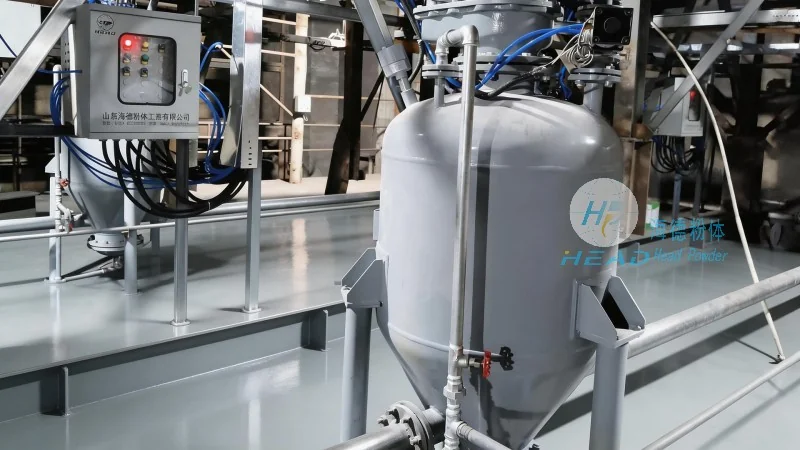
About Shandong HeadPowder Engineering Co., Ltd.
HeadPowder, a leading provider of advanced powder handling solutions, is committed to delivering innovative and effective conveying systems for diverse industrial applications. With a strong operational base in Shandong, China, HeadPowder leverages decades of expertise to develop tailored solutions that meet the specific needs of clients in the construction, mining, and chemical industries. The company’s headquarters is situated in Shandong, China, where a team of skilled engineers and technicians work collaboratively to design, manufacture, and implement cutting-edge powder conveying technologies.
Design Principles of Gypsum Gray Powder Conveying Systems
The design of gypsum gray powder conveying systems is a multifaceted process that integrates several key components and principles to ensure efficient and safe operation. A primary consideration is the material’s physical characteristics, such as particle size, moisture content, and flowability. Gypsum gray powder is typically a fine, dry material that can be susceptible to dusting and caking if not handled appropriately. Consequently, conveying systems must be engineered to minimize these issues while maintaining consistent material flow.
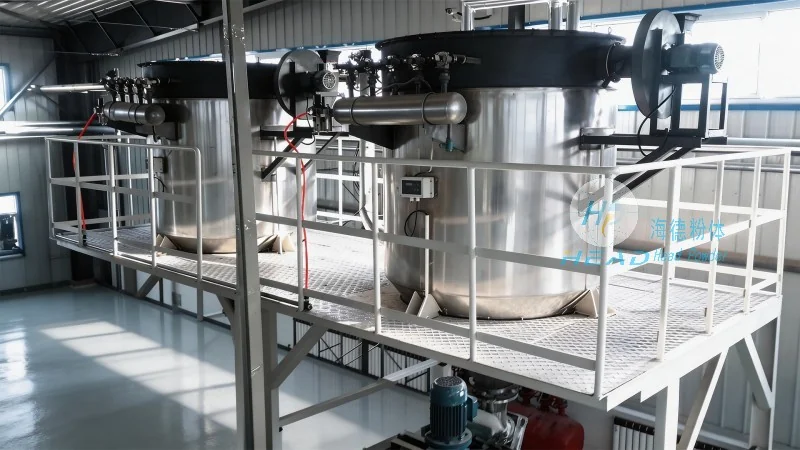
Key design principles include the selection of suitable equipment, such as screw conveyors, pneumatic conveyors, or bucket elevators, based on the specific application and material properties. Screw conveyors are commonly employed for horizontal or slight incline conveying due to their ability to handle fine powders without significant segregation. Pneumatic conveyors, in contrast, are ideal for long-distance or vertical transport, utilizing air pressure to move the material through a pipeline. The choice of equipment is critical as it directly impacts the system’s efficiency, energy consumption, and maintenance requirements.
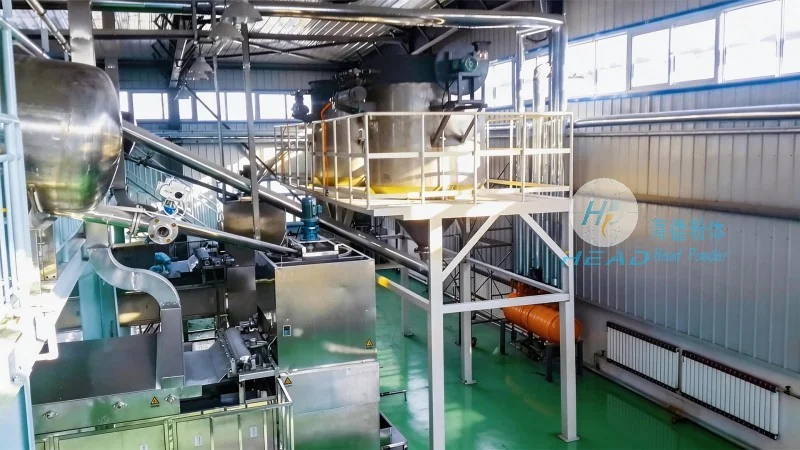
Another crucial aspect is the system’s layout and integration with other processing equipment. A well-designed conveying system should be integrated seamlessly with upstream and downstream processes, such as storage silos, mixers, or processing units. This integration ensures a continuous and unbroken material flow, reducing downtime and enhancing overall productivity. Additionally, the system must be equipped with appropriate controls and monitoring devices to regulate flow rate, pressure, and temperature, ensuring optimal performance and safety.
Key Considerations in Gypsum Gray Powder Conveying
When designing gypsum gray powder conveying systems, several factors must be carefully evaluated to achieve optimal results. First, the material’s flow properties, including its angle of repose and bulk density, play a significant role in determining the appropriate conveying method. For instance, cohesive powders may require specialized equipment like pneumatic conveyors with air classifiers to prevent blockages. Second, the system’s environmental impact and safety measures are paramount. Dust control systems, such as cyclones or baghouses, are often integrated to comply with environmental regulations and protect personnel from airborne particles. Third, energy efficiency is a key consideration, as conveying systems can account for a substantial portion of operational costs. Advanced designs, including variable speed drives and optimized pipeline layouts, help reduce energy consumption while maintaining performance.
Applications of Gypsum Gray Powder Conveying
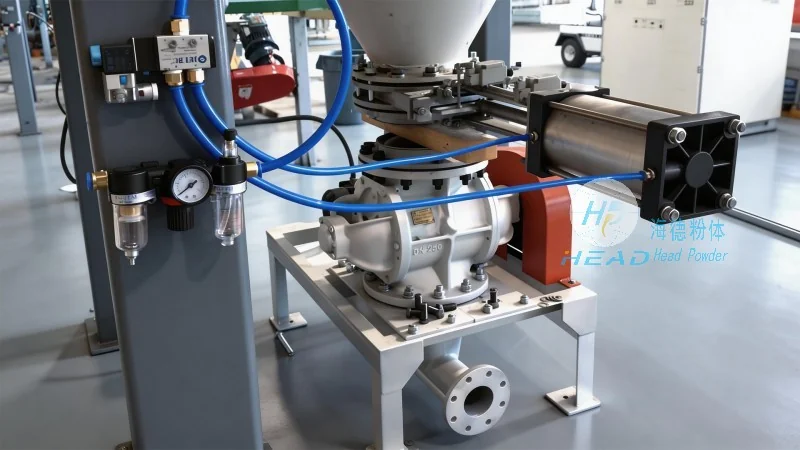
Gypsum gray powder conveying systems find extensive applications across various industries. In the construction sector, these systems are used to transport gypsum for wallboard production, plaster applications, and decorative finishes. The ability to handle fine powders efficiently ensures consistent quality in end products. In the mining industry, gypsum gray powder is often extracted from quarries and transported to processing facilities for further use. The conveying systems must be robust enough to handle abrasive materials and varying particle sizes. Additionally, in the chemical industry, gypsum gray powder is used as a raw material in the production of fertilizers and other chemical products, where precise control over material flow is critical for product quality and process efficiency.
Conclusion
Gypsum gray powder conveying is a critical aspect of industrial material handling, requiring careful consideration of design principles and equipment selection. By understanding the material’s properties and integrating advanced technologies, companies can optimize their conveying systems for efficiency, safety, and cost-effectiveness. Shandong HeadPowder Engineering Co., Ltd. remains at the forefront of developing innovative solutions tailored to the unique needs of clients, ensuring reliable and efficient gypsum gray powder handling in various industrial applications.