

What is a Phosphoric Hydrogen Calcium Material Handling System? What Are Its Design Principles?
Phosphoric hydrogen calcium is a widely used chemical compound in various industrial applications, and efficient material handling is crucial for its processing and transportation. The phosphoric hydrogen calcium material handling system is a specialized equipment setup designed to manage the flow, storage, and transfer of this material. Understanding its components and design principles is essential for optimizing operations in industrial settings.
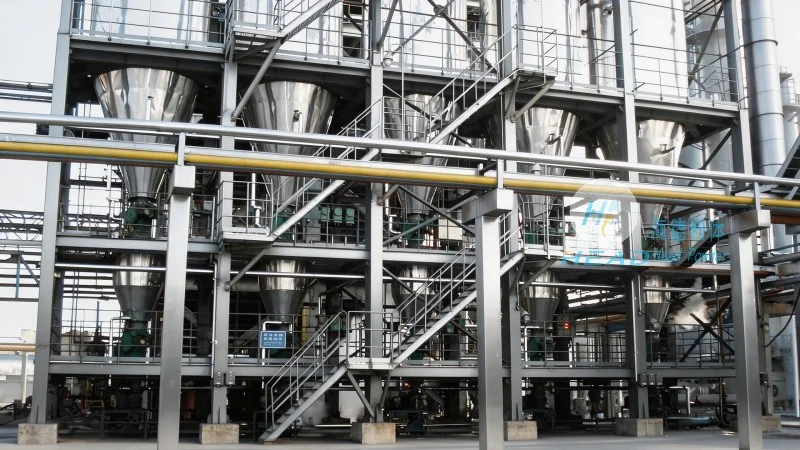
HeadPowder, a leading engineering company based in Shandong, China, specializes in the design and manufacturing of advanced material handling systems tailored for phosphoric hydrogen calcium and other similar materials. With years of experience in the field, HeadPowder provides comprehensive solutions that ensure safety, efficiency, and reliability in material processing operations.
Key Components and Design Principles of the Phosphoric Hydrogen Calcium Material Handling System
The phosphoric hydrogen calcium material handling system typically consists of several key components that work in tandem to ensure smooth material flow. These components include feeders, conveyors, storage silos, and control systems. The design principles focus on maximizing material throughput while minimizing downtime and operational risks.
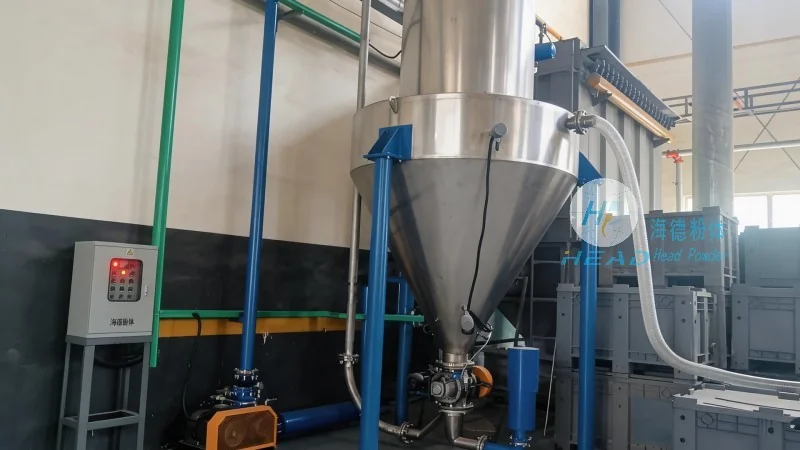
Feeding mechanisms are critical in the system, as they ensure consistent and controlled feeding of phosphoric hydrogen calcium into the processing line. Various types of feeders, such as rotary valves or screw conveyors, are used depending on the material's properties and the required flow rate. The design aims to prevent material bridging or clogging, which can lead to system inefficiencies.
Conveyors play a vital role in transporting the material from one stage to another. Belt conveyors, bucket elevators, or pneumatic conveyors may be employed based on the system's layout and the distance between processing units. The design considers factors like material density, abrasiveness, and moisture content to select the most suitable conveyor type. Proper maintenance and alignment are essential to prevent wear and tear and ensure long-term performance.
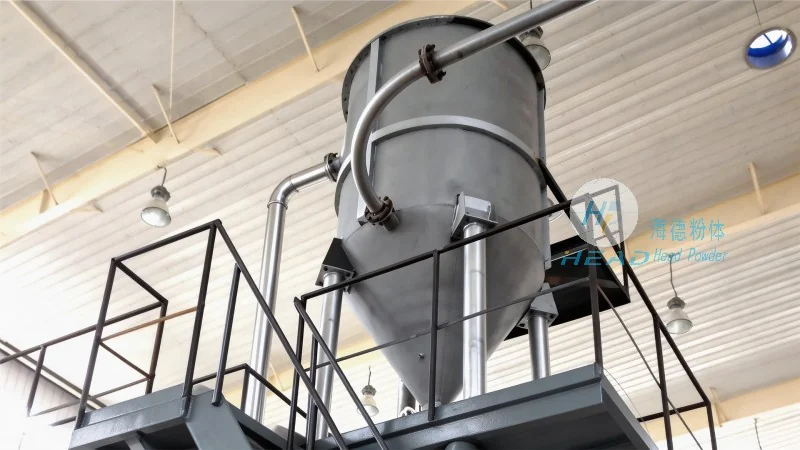
Storage silos are used to store large quantities of phosphoric hydrogen calcium, providing a buffer for fluctuations in production or demand. The design of these silos focuses on structural integrity, material compatibility, and dust control. Silos are often equipped with agitators or sweepers to prevent material accumulation and maintain consistent material flow from the storage to the processing line.
Control systems are integral to the overall operation, enabling automated monitoring and adjustment of the material handling process. Sensors and indicators are used to track material levels, flow rates, and system performance. The control system allows operators to make real-time adjustments, ensuring optimal operation and preventing potential issues before they escalate.
Advantages of the Phosphoric Hydrogen Calcium Material Handling System
Implementing a phosphoric hydrogen calcium material handling system offers several advantages for industrial operations. Firstly, it enhances operational efficiency by streamlining the material flow process, reducing manual handling, and minimizing downtime. The automated control systems ensure consistent performance, leading to higher productivity and lower labor costs.
Secondly, the system improves safety by reducing the risk of accidents associated with manual handling of bulk materials. Proper design and equipment selection minimize the risk of dust explosions, material spills, and equipment damage. The use of enclosed systems and proper ventilation further enhances workplace safety.
Thirdly, the system promotes environmental sustainability by reducing material waste and controlling dust emissions. The design focuses on efficient material usage and minimizing the environmental impact of the processing operation. This is particularly important for phosphoric hydrogen calcium, which is often used in applications where environmental compliance is critical.
Lastly, the system provides flexibility and scalability, allowing industrial facilities to adapt to changing production needs. The modular design of the equipment enables easy expansion or modification of the system as production requirements evolve. This adaptability ensures that the system remains effective and efficient over the long term.
Applications and Industries Using Phosphoric Hydrogen Calcium Material Handling Systems
The phosphoric hydrogen calcium material handling system is widely used in various industries that rely on this chemical compound. These include the fertilizer industry, where phosphoric hydrogen calcium is a key component in phosphate fertilizers. The system is also used in the food and beverage industry for applications such as food additives and supplements.
In the chemical industry, the system is employed in the production of other chemical products that use phosphoric hydrogen calcium as a raw material. The pharmaceutical industry may also utilize this system for the processing of certain pharmaceutical ingredients that require precise handling of bulk materials.
Industrial facilities that handle large quantities of phosphoric hydrogen calcium benefit significantly from the efficiency and reliability of these material handling systems. The consistent and controlled flow of material ensures that production processes run smoothly, meeting quality standards and customer demands.
HeadPowder's Expertise in Designing and Implementing Material Handling Systems
Shandong HeadPowder Engineering Co., Ltd. is a trusted partner for businesses seeking to implement or upgrade their phosphoric hydrogen calcium material handling systems. The company's team of experienced engineers and technicians works closely with clients to understand their specific needs and design customized solutions.
HeadPowder's approach to system design emphasizes a comprehensive understanding of the material's properties and the client's operational requirements. This ensures that the final system is optimized for performance, safety, and cost-effectiveness. The company provides end-to-end services, from initial consultation and system design to installation, commissioning, and ongoing maintenance support.
With a focus on quality and innovation, HeadPowder uses advanced technologies and materials in the construction of its material handling systems. The equipment is designed to withstand the harsh conditions associated with phosphoric hydrogen calcium processing, ensuring long-term durability and reliability. The company's commitment to customer satisfaction and technical excellence has made it a leading provider in the industry.