

What is a Calcium Hydroxide Material Handling System? What are its Design Principles?
Calcium hydroxide, commonly known as slaked lime, is a widely used chemical in various industrial applications due to its versatile properties. However, its handling requires specialized equipment to ensure safety, efficiency, and product integrity. This article explores the design principles of a calcium hydroxide material handling system, highlighting the key considerations and components that enable effective and reliable operation.
Understanding Calcium Hydroxide and Its Handling Challenges
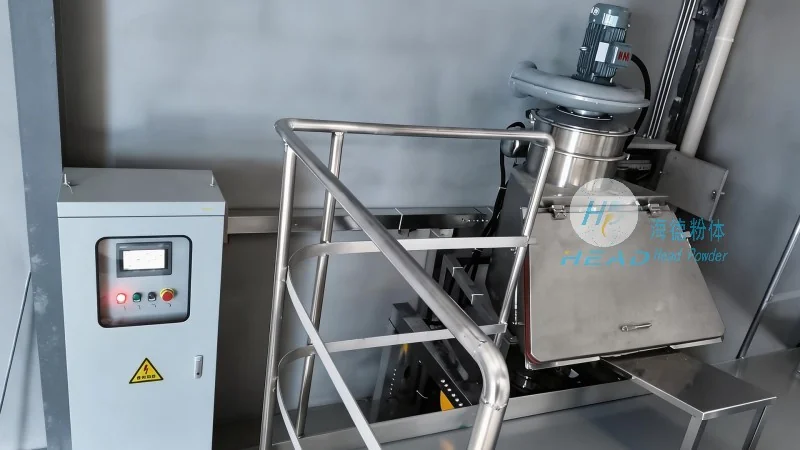
Calcium hydroxide is a white or grayish powder with a high moisture absorption rate and a tendency to clump or agglomerate under certain conditions. These characteristics make it challenging to transport without proper equipment. Traditional methods like manual handling or open conveyors can lead to dust exposure, product degradation, and operational inefficiencies. Therefore, a dedicated material handling system is essential to maintain the quality of calcium hydroxide and ensure safe operation in industrial settings.
The Core Design Principles of a Calcium Hydroxide Material Handling System
The design of a calcium hydroxide material handling system is guided by several critical principles aimed at addressing the unique challenges of this material. First, sealability and dust control are paramount. The system must prevent dust generation and exposure to the environment, which is crucial for occupational health and regulatory compliance. This is typically achieved through enclosed conveyor systems, airtight hoppers, and dust collection mechanisms. Second, prevention of moisture absorption is essential. Calcium hydroxide readily absorbs moisture from the air, which can lead to caking and reduced effectiveness. The system incorporates moisture-resistant materials and sealed storage containers to minimize exposure to ambient humidity. Third, anti-caking and flow promotion features are integrated to prevent the material from forming hard lumps. This may involve the use of agitators, vibrators, or special hopper designs that promote uniform flow. Fourth, hygienic and easy-to-clean design is important, especially in food or pharmaceutical applications where calcium hydroxide might be used as a processing aid. The system components are constructed from materials that are easy to clean and maintain, reducing the risk of contamination.
Key Components and Their Function in the System
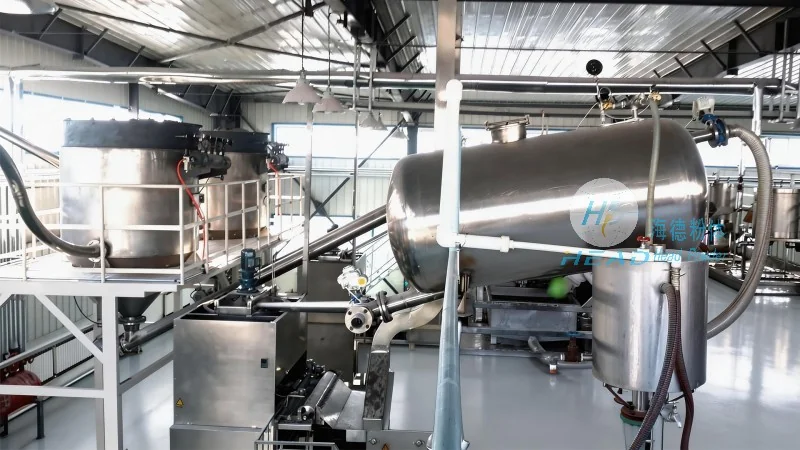
A calcium hydroxide material handling system typically consists of several interconnected components, each playing a vital role in the overall operation. The primary components include a storage silo or hopper, a feeder or metering device, a conveyor system (such as a screw conveyor or pneumatic conveyor), and a discharge or transfer unit. The storage silo is designed with a conical bottom to facilitate material flow and prevent dead zones. It is equipped with a lid and an airtight seal to protect the material from moisture and dust. The feeder, often a rotary valve or a vibratory feeder, controls the flow rate of calcium hydroxide from the storage silo to the conveyor. This ensures a consistent and controlled supply of material, which is critical for downstream processes. The conveyor system transports the material from the storage area to the processing or packaging point. For calcium hydroxide, a screw conveyor is commonly used due to its ability to handle powders and its enclosed design, which minimizes dust exposure. The discharge unit, such as a rotary valve or a gate valve, regulates the release of material from the conveyor to the next stage of the process. Additionally, the system may include a dust collection system, such as a baghouse or cyclone, to capture any airborne particles and ensure compliance with environmental regulations.
How Shandong HeadPowder Engineering Co., Ltd. Addresses These Design Principles
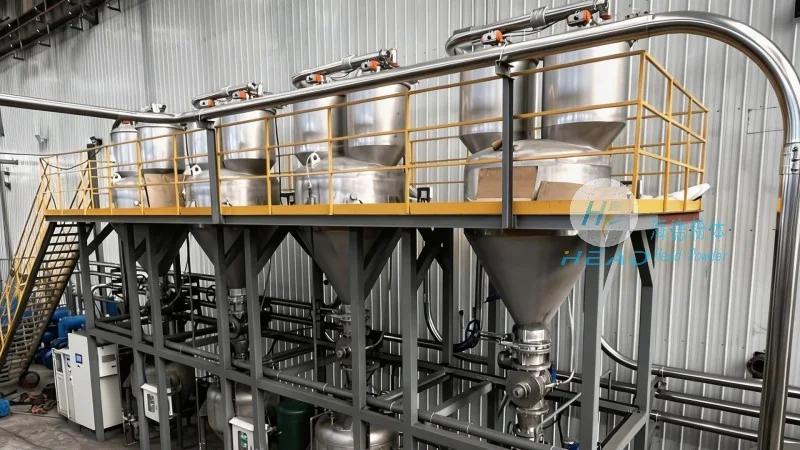
Shandong HeadPowder Engineering Co., Ltd., a leading provider of material handling solutions, specializes in designing and manufacturing systems tailored to the unique needs of calcium hydroxide and other similar materials. The company's approach is centered on the core design principles discussed above, ensuring that each system is customized to meet the specific requirements of the client. For example, the company offers enclosed, airtight storage silos with moisture-resistant liners to prevent product degradation. Their feeders are designed with anti-caking mechanisms, such as vibrators or agitators, to maintain consistent material flow. The conveyor systems are constructed from corrosion-resistant materials, such as stainless steel, to withstand the chemical properties of calcium hydroxide and ensure long-term durability. Furthermore, the company provides comprehensive support, including installation, commissioning, and maintenance services, to ensure that the system operates at peak efficiency throughout its lifecycle. With a focus on safety, efficiency, and product integrity, Shandong HeadPowder Engineering Co., Ltd. delivers solutions that meet the highest standards in the industry.
Conclusion: The Importance of a Well-Designed Calcium Hydroxide Material Handling System
In conclusion, a calcium hydroxide material handling system is a critical component in industrial operations that require the safe and efficient handling of this versatile chemical. The design principles, including sealability, moisture control, anti-caking measures, and hygienic design, are essential to maintain the quality of the material and ensure operational safety. Companies like Shandong HeadPowder Engineering Co., Ltd. play a vital role in providing tailored solutions that address these principles, enabling industries to optimize their processes and comply with regulatory requirements. By investing in a well-designed material handling system, businesses can enhance productivity, reduce costs, and ensure the consistent quality of their products.