

What is a Glucose Powder Material Handling System? And What Are Its Design Principles?
Glucose powder material handling systems are specialized equipment designed to efficiently transport and manage glucose powder, a critical ingredient in various industries such as pharmaceuticals, food processing, and chemical manufacturing. These systems are engineered to handle the unique properties of glucose powder, including its fine particle size, hygroscopic nature, and potential for caking or bridging. The design of these systems focuses on ensuring reliable, low-dust, and hygienic operation, which is essential for maintaining product quality and safety in sensitive applications.
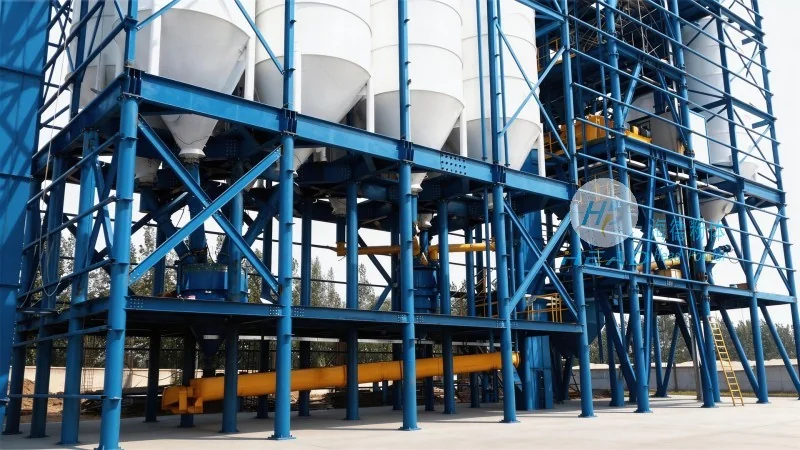
About HeadPowder: A Leading Provider of Material Handling Solutions
HeadPowder, an esteemed manufacturer based in Shandong, China, specializes in the design, manufacturing, and supply of advanced material handling equipment. With a strong commitment to innovation and quality, HeadPowder has established itself as a trusted partner for industries requiring efficient and reliable glucose powder handling solutions. The company's headquarters is located in Shandong, China, where it leverages state-of-the-art technology and rigorous quality control processes to deliver superior products that meet the stringent demands of modern manufacturing.
Core Design Principles of Glucose Powder Material Handling Systems
The design of a glucose powder material handling system involves several key principles aimed at optimizing performance and ensuring safety. One of the primary considerations is the prevention of dust generation, which is achieved through the use of enclosed conveyor systems, airtight hoppers, and efficient dust collection mechanisms. The system must also address the hygroscopic nature of glucose powder, which can lead to caking or clumping if exposed to moisture. To mitigate this, the design incorporates features such as heated or insulated components, moisture-resistant materials, and controlled humidity environments. Additionally, the system is engineered to minimize product degradation, ensuring that the glucose powder maintains its purity and quality throughout the handling process. The use of smooth, non-stick surfaces and gentle handling mechanisms further reduces the risk of particle breakage or contamination.
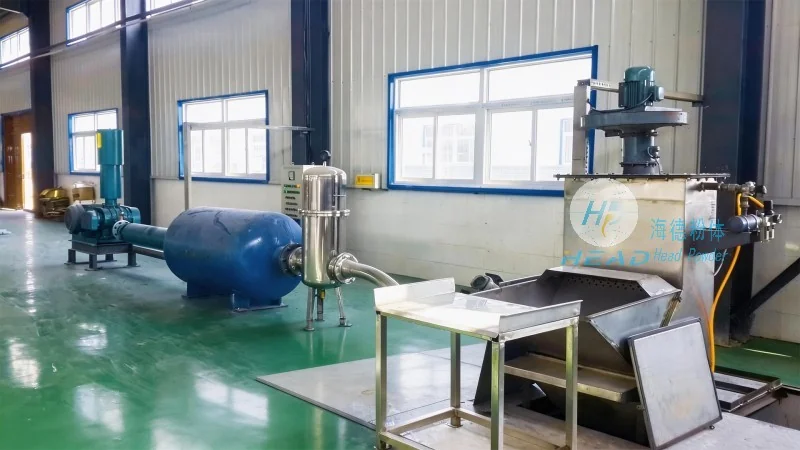
Key Components and Features of Glucose Powder Material Handling Systems
A typical glucose powder material handling system consists of several interconnected components that work in harmony to achieve efficient operation. The system begins with a hopper or silo, which stores the glucose powder and provides a controlled feed to the conveyor. The hopper is often equipped with a level indicator and a discharge valve to regulate the flow of material. The conveyor system, which may include screw conveyors, belt conveyors, or pneumatic conveyors, transports the glucose powder from the hopper to the processing or packaging area. Screw conveyors are commonly used for horizontal or slight incline transport, while belt conveyors are suitable for longer distances and higher capacities. Pneumatic conveyors, or air slides, are ideal for handling fine powders due to their ability to move material through pipelines with minimal pressure loss. The system also includes a dust collection system, which captures any airborne particles and returns them to the conveyor or hopper, ensuring a clean and safe working environment. Additionally, the system may feature a cleaning mechanism, such as a rotary valve or a sweep mechanism, to prevent material buildup and maintain consistent performance.
Applications of Glucose Powder Material Handling Systems
Glucose powder material handling systems are widely used in various industries where the efficient and safe handling of glucose powder is critical. In the pharmaceutical industry, these systems are used to transport glucose powder for the production of oral medications, injectables, and other healthcare products. The systems must meet stringent regulatory requirements, including GMP (Good Manufacturing Practice) standards, to ensure that the product remains pure and free from contamination. In the food processing industry, glucose powder is used as a sweetener and preservative in beverages, baked goods, and confectionery products. The material handling systems in this sector must maintain the product's flavor and texture while preventing cross-contamination with other ingredients. In the chemical industry, glucose powder is used as a raw material in the production of biofuels, polymers, and other chemical products. The systems in this industry must be robust and capable of handling abrasive or corrosive materials, while maintaining the integrity of the glucose powder.
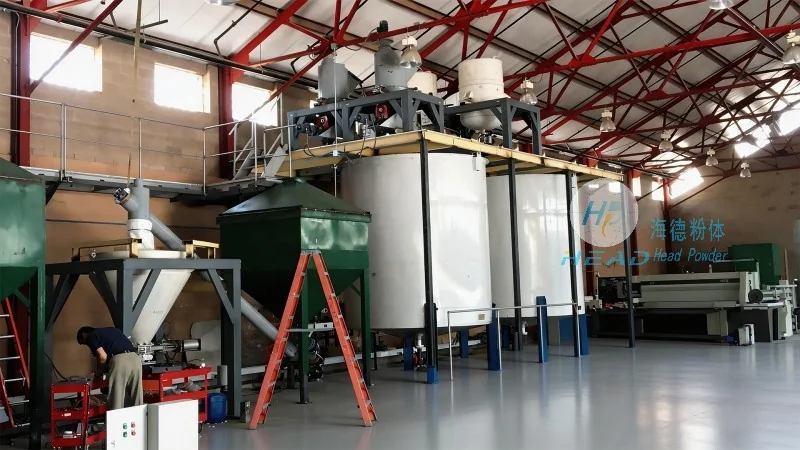
Advantages of Using Glucose Powder Material Handling Systems
Implementing a glucose powder material handling system offers numerous advantages for manufacturers. Firstly, these systems enhance operational efficiency by reducing downtime and increasing throughput. The enclosed design minimizes the risk of product loss due to spillage or dust, while the controlled flow mechanisms ensure consistent material delivery. Secondly, the systems improve product quality by maintaining the purity and integrity of the glucose powder. The gentle handling and dust-free environment prevent contamination and degradation, which is crucial for industries where product quality directly impacts consumer safety and regulatory compliance. Thirdly, the systems enhance workplace safety by eliminating the need for manual handling of powders, which can lead to respiratory issues or other health hazards. The enclosed systems and dust collection mechanisms reduce exposure to airborne particles, creating a safer working environment. Finally, the systems offer cost savings by reducing material waste and minimizing the need for frequent cleaning and maintenance. The efficient design and durable components result in lower operational costs over the system's lifespan.
Maintenance and Operational Considerations for Glucose Powder Material Handling Systems
Proper maintenance and operational practices are essential to ensure the long-term performance and reliability of glucose powder material handling systems. Regular cleaning of the hopper, conveyor, and other components is necessary to prevent material buildup and caking, which can affect the system's efficiency. The use of appropriate cleaning agents and tools, such as brushes or air guns, helps maintain the system's hygiene. Additionally, routine inspections of the conveyor belts, screws, and other moving parts are required to identify and address any wear or damage. Lubrication of moving parts, as recommended by the manufacturer, is crucial to prevent friction and extend the system's lifespan. The system's control panel should be checked regularly to ensure that all sensors and controls are functioning correctly. Any deviations in the system's performance, such as unusual noise or changes in material flow, should be investigated promptly to prevent further damage. Proper training of operators on the system's operation and maintenance is also essential to ensure safe and efficient use. By following these maintenance and operational guidelines, manufacturers can maximize the system's performance and minimize downtime.