

What is a Cement Dry Powder Material Handling System? And What Are Its Design Principles?
Understanding the cement dry powder material handling system is crucial for industries that rely on efficient and reliable transport of bulk materials. This system is designed to handle the transportation of cement and other dry powders in a manner that ensures minimal dust, high efficiency, and low energy consumption. The design principles of such a system are centered around several key factors that contribute to its effectiveness in various industrial applications.
Introduction to Cement Dry Powder Material Handling Systems
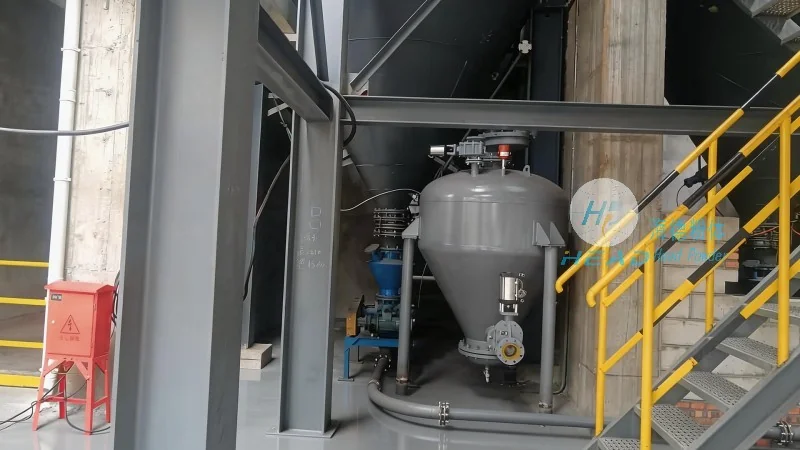
The cement dry powder material handling system, often referred to as a pneumatic conveying system, is a technology used to transport dry powders like cement, flour, and other fine materials from one location to another. Unlike traditional methods like bucket elevators or belt conveyors, pneumatic conveying systems use air pressure to move materials through pipes, making them ideal for applications where dust control and product purity are critical. The system typically consists of a hopper for material storage, a conveyor line with air pipes, and a discharge point for the material. The design of this system must consider the properties of the material being transported, such as particle size, density, and moisture content, to ensure optimal performance.
Key Components of a Cement Dry Powder Material Handling System
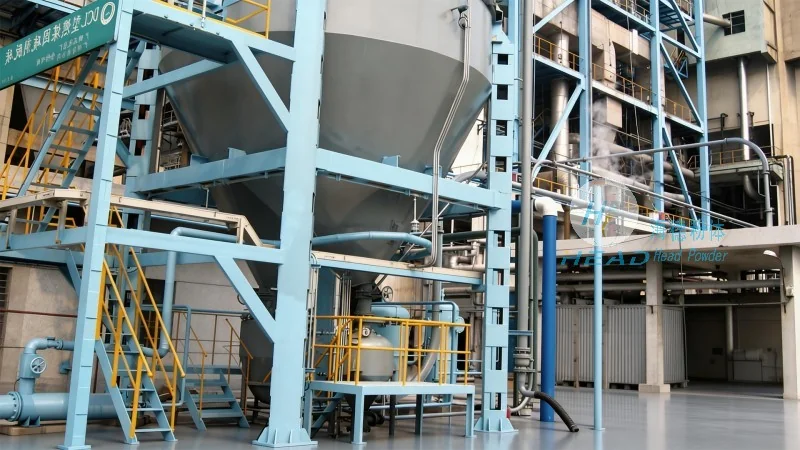
Several key components make up a cement dry powder material handling system. The first is the material hopper, which is used to store the dry powder and feed it into the system. The hopper is usually equipped with a feeder, such as a rotary valve or a screw feeder, to control the flow of material into the conveyor line. The conveyor line itself is made of pipes that are connected to a blower or a vacuum pump, which generates the air pressure needed to move the material. The blower or pump is responsible for creating the airflow that propels the dry powder through the system. The discharge point is where the material is released from the system, often into a silo or a storage container. Each component plays a vital role in the overall operation of the system, and their design must be optimized for the specific material being transported.
Design Principles for Efficient Material Handling
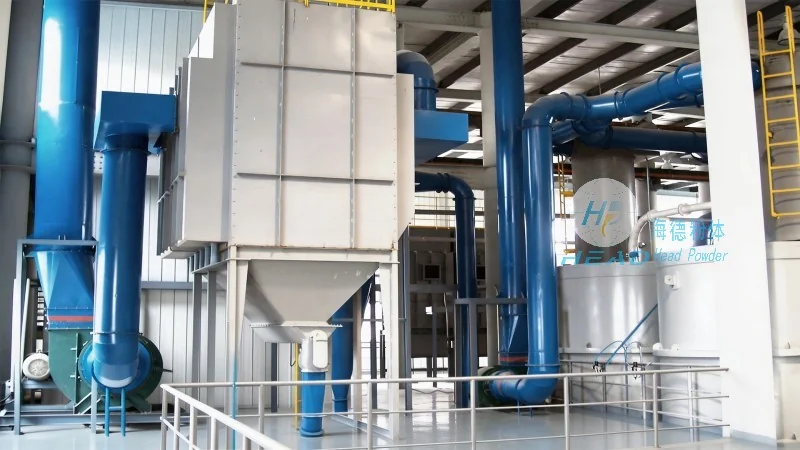
The design principles of a cement dry powder material handling system are focused on achieving high efficiency, low maintenance, and minimal environmental impact. One of the primary design principles is the selection of the appropriate conveying method, which can be either positive pressure or negative pressure. Positive pressure systems use a blower to push the material through the pipes, while negative pressure systems use a vacuum pump to pull the material. The choice between these two methods depends on the material properties and the distance the material needs to be transported. Another important design principle is the consideration of the material's flow characteristics. Dry powders can be cohesive or non-cohesive, and the system must be designed to handle these different flow behaviors. For example, cohesive materials may require the use of a vibratory feeder or a pre-drying step to improve their flowability. The system's design also considers the pressure drop across the pipes, which is the resistance to airflow caused by the material and the pipe diameter. Proper design of the pipe diameter and the number of bends is crucial to minimize pressure drop and ensure efficient material transport.
Applications and Benefits of Cement Dry Powder Material Handling Systems
Cement dry powder material handling systems are widely used in various industries, including cement manufacturing, food processing, and chemical production. In the cement industry, these systems are used to transport raw materials like limestone and clay from storage silos to the grinding mills. The benefits of using a pneumatic conveying system in this application include reduced dust emissions, improved product quality, and lower energy consumption compared to traditional methods. In the food industry, these systems are used to transport flour and other dry ingredients, where maintaining product purity and preventing contamination is essential. The benefits in this industry include improved hygiene, reduced product loss, and increased production efficiency. In the chemical industry, these systems are used to transport various dry chemicals, where the ability to handle different material properties and maintain a controlled environment is critical. The benefits in this industry include enhanced safety, reduced labor costs, and improved process control.
HeadPowder's Expertise in Cement Dry Powder Material Handling Systems
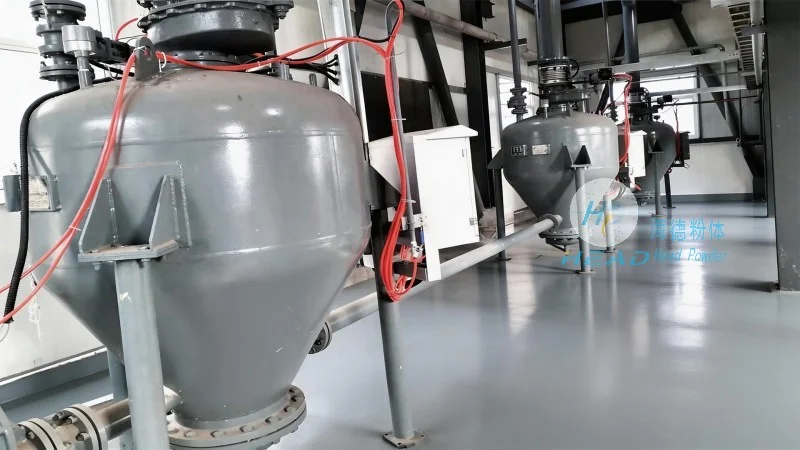
Shandong HeadPowder Engineering Co., Ltd. is a leading manufacturer of cement dry powder material handling systems, with years of experience in designing and manufacturing high-quality equipment for various industrial applications. The company specializes in providing customized solutions that meet the specific needs of its clients, ensuring that the systems are optimized for the material being transported and the operational requirements of the facility. HeadPowder's team of engineers and technicians work closely with clients to understand their requirements and develop solutions that are efficient, reliable, and cost-effective. The company's products are designed with the latest technology and materials, ensuring that they meet the highest standards of quality and performance. HeadPowder's commitment to quality and customer satisfaction has made it a trusted partner for many industries, providing them with the tools they need to improve their material handling processes and increase their productivity.