

What is a Metallurgical Coke Powder Material Handling System? What are the Design Principles?
Metallurgical coke powder, a critical raw material in the steelmaking process, requires efficient and reliable material handling systems to ensure smooth production operations. The design of such systems is a complex engineering task that involves balancing various factors like material properties, process requirements, and operational efficiency. This article delves into the fundamentals of metallurgical coke powder material handling systems, exploring their key components, operational principles, and the underlying design philosophies that govern their construction and functionality.
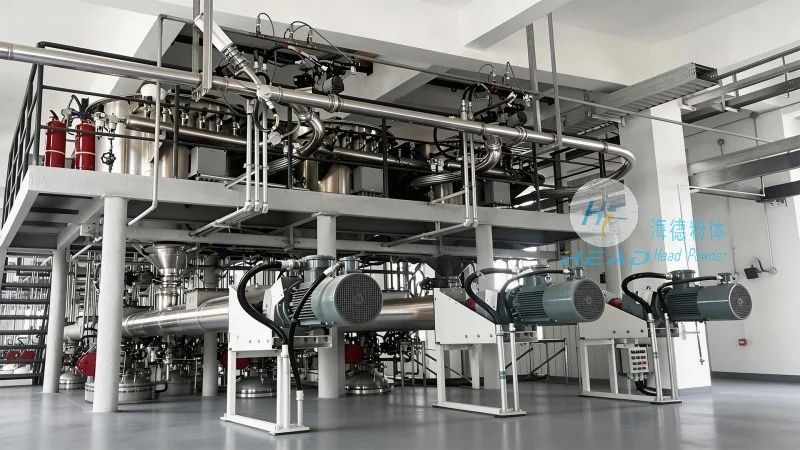
About Shandong HeadPowder Engineering Co., Ltd.
HeadPowder, as the name suggests, is a leading engineering company specializing in the design, manufacturing, and installation of material handling solutions for industrial applications. With a strong focus on precision and reliability, HeadPowder has established itself as a trusted partner for businesses in the metallurgical and related industries. The company is headquartered in Shandong, China, where it leverages its local expertise and resources to deliver high-quality engineering services tailored to the unique needs of its clients.
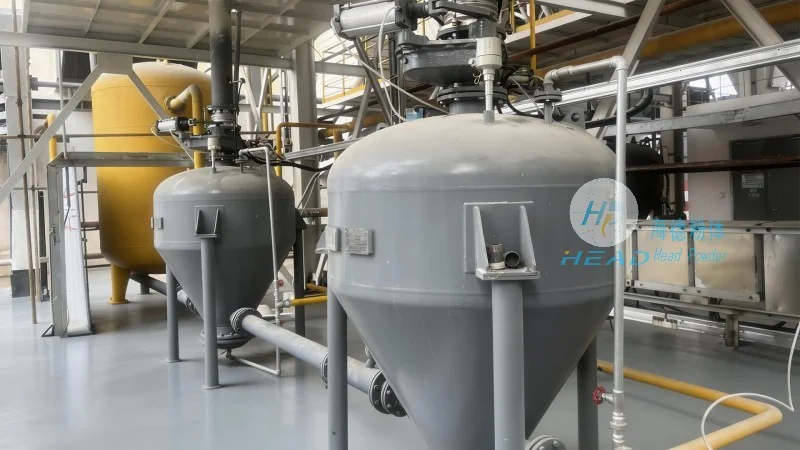
Design Principles of Metallurgical Coke Powder Material Handling Systems
The design of a metallurgical coke powder material handling system is guided by several core principles aimed at optimizing performance, safety, and longevity. First, the system must be capable of handling the specific physical and chemical properties of coke powder, which includes considerations such as particle size distribution, moisture content, and abrasiveness. These characteristics directly impact the choice of equipment, such as conveyors, hoppers, and storage silos, to ensure minimal material degradation and efficient flow. Second, the design must prioritize safety, as coke powder can be a dust explosion hazard under certain conditions. Therefore, explosion-proof designs, dust suppression systems, and proper ventilation are integral components of the system. Third, operational efficiency is a key consideration, with the system designed to minimize downtime, energy consumption, and maintenance requirements. This involves selecting appropriate drive systems, control mechanisms, and maintenance-friendly components. Finally, the system must be scalable and adaptable to future process changes or expansions, ensuring long-term viability and cost-effectiveness.
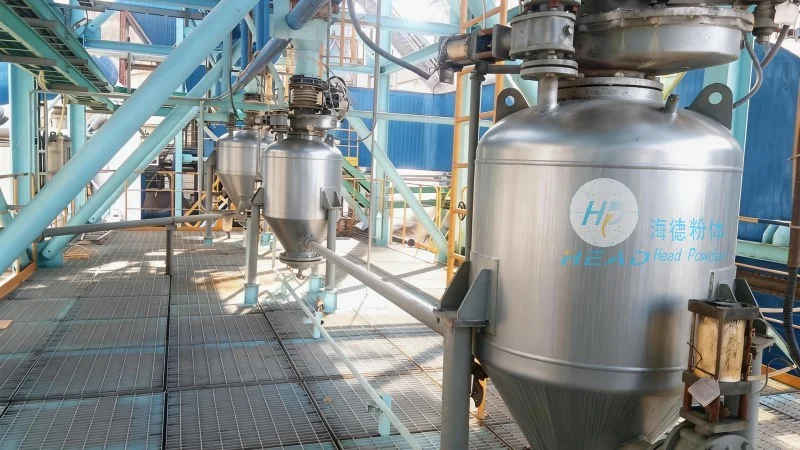
Key Components of Metallurgical Coke Powder Material Handling Systems
A typical metallurgical coke powder material handling system comprises several interconnected components, each playing a vital role in the overall operation. The primary components include: Conveying Equipment, such as belt conveyors or screw conveyors, which transport the coke powder from one location to another. These systems are designed to handle the abrasive nature of coke powder, often featuring heavy-duty belts and robust drive mechanisms. Storage Silos are used to store large quantities of coke powder, providing a controlled environment that prevents contamination and ensures consistent material quality. These silos are typically equipped with aeration systems to maintain proper moisture levels and prevent caking. Hoppers and Feeders are crucial for controlling the flow of material from the silo to the downstream processing equipment. These components regulate the discharge rate, preventing overloading or underloading of the subsequent machinery. Dust Collection and Suppression Systems are essential for maintaining a safe working environment and complying with environmental regulations. These systems capture and filter dust particles, reducing the risk of explosions and improving air quality. Control and Monitoring Systems provide real-time monitoring of the system's performance, allowing operators to detect and address issues promptly. These systems often include sensors for level, temperature, and pressure, as well as automated controls for start-up, shutdown, and emergency situations.
Applications and Advantages of Metallurgical Coke Powder Material Handling Systems
Metallurgical coke powder material handling systems are widely used in steel mills, foundries, and other industrial facilities where coke powder is a key input. The primary applications include: Raw Material Transport, where coke powder is moved from storage silos to the blast furnace or other processing units. Process Integration, where the system integrates with other equipment, such as mixers and reactors, to ensure a seamless flow of materials. Quality Control, where the system helps maintain consistent material quality by preventing contamination and ensuring uniform particle size distribution. The advantages of these systems include: Improved Efficiency, as they reduce labor costs and minimize downtime by automating material handling processes. Enhanced Safety, as they incorporate explosion-proof designs and dust suppression systems to protect workers and equipment. Cost Savings, as they reduce material waste and energy consumption through optimized operation. Scalability, as they can be easily expanded or modified to accommodate future production needs.
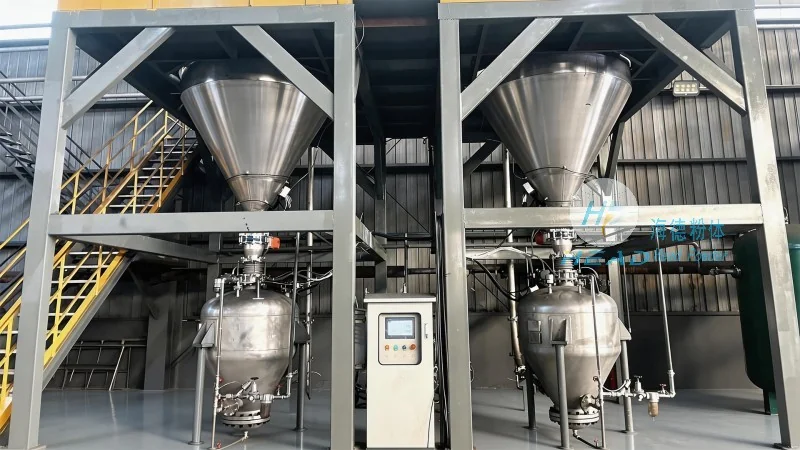
Conclusion
Metallurgical coke powder material handling systems are critical infrastructure in the steel and related industries, enabling efficient and safe processing of this essential raw material. The design of these systems requires a deep understanding of material properties, process requirements, and safety regulations. Companies like Shandong HeadPowder Engineering Co., Ltd. play a vital role in providing customized solutions that meet the unique needs of their clients. By adhering to sound engineering principles and leveraging advanced technology, these systems contribute to improved productivity, reduced costs, and enhanced safety in industrial operations.