

What is a Boron Nitride Powder Conveying System? What are its Design Principles?
For industries dealing with boron nitride (BN) powders, efficient and reliable powder conveying systems are crucial for maintaining product quality and operational efficiency. This article explores the concept of boron nitride powder conveying systems, delving into their design principles and the key factors that influence their performance. Such systems are typically engineered by companies like Shandong HeadPowder Engineering Co., Ltd., which specializes in the design and manufacturing of advanced powder handling solutions for demanding applications.
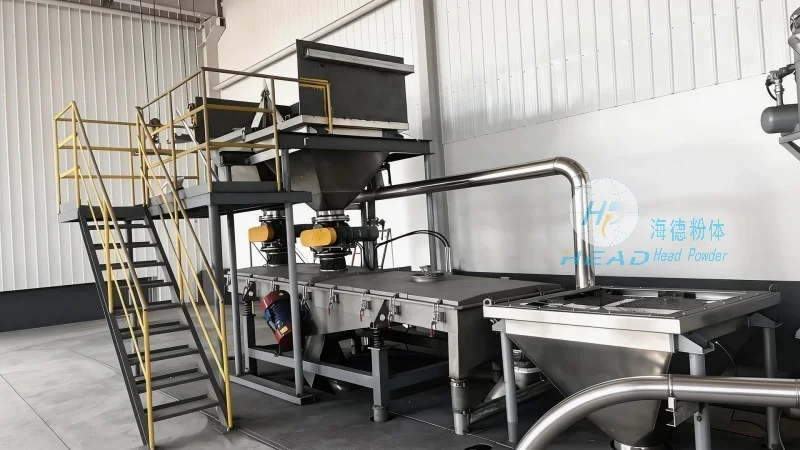
Understanding Boron Nitride Powder Conveying Systems
Boron nitride powder conveying systems are engineered to transport fine powders like boron nitride from one location to another within a manufacturing or processing facility. These systems are designed to handle the unique properties of BN powders, which include their high thermal stability, chemical inertness, and lubricating characteristics. The primary goal of such systems is to ensure that the powder is moved without causing agglomeration, contamination, or degradation, which could compromise the final product's quality.
Key Design Principles of Boron Nitride Powder Conveying Systems
The design of boron nitride powder conveying systems is based on several critical principles to achieve optimal performance. First, the system must minimize particle attrition and wear, as BN powders are sensitive to mechanical stress. This is typically achieved through the use of smooth, non-stick surfaces and low-friction components. Second, the system should maintain a consistent flow rate and pressure to prevent clogging or uneven distribution of the powder. This is often accomplished by incorporating adjustable valves, pressure sensors, and flow meters into the design. Third, the system must ensure that the powder remains dry and free from moisture, as moisture can affect the powder's properties and cause issues like clumping or reduced thermal stability. To achieve this, the conveying lines are usually made of materials that are resistant to moisture and corrosion, and the system may include drying or dehumidification components.
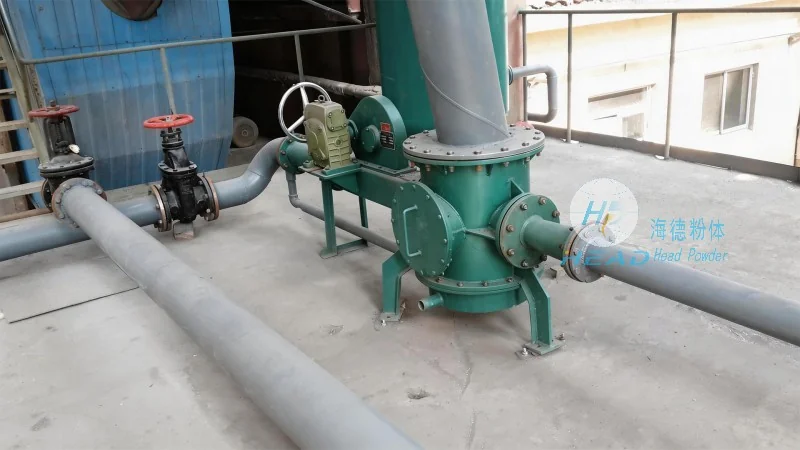
Components and Technologies Used in Boron Nitride Powder Conveying Systems
Boron nitride powder conveying systems typically consist of several key components, each playing a vital role in the overall operation. The main components include a hopper or feeder to store and feed the powder, a conveying mechanism such as a pneumatic or mechanical conveyor, and a control system to regulate the flow. Pneumatic conveying systems are commonly used for BN powders due to their ability to handle fine powders without the need for moving parts that could cause wear or contamination. These systems use compressed air to transport the powder through a pipeline, with the air velocity carefully controlled to prevent particle separation or blockages. Mechanical conveyors, such as screw or belt conveyors, may also be used, especially for larger particle sizes or when the powder needs to be transported over longer distances. The control system is essential for monitoring and adjusting the flow rate, pressure, and temperature, ensuring that the system operates within optimal parameters.
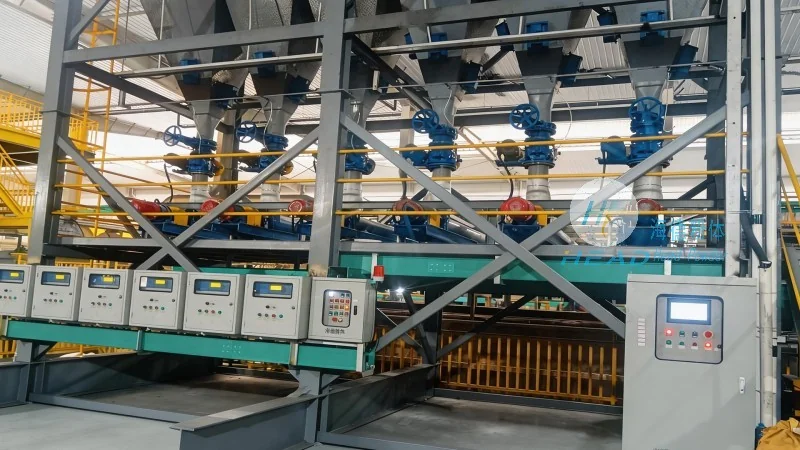
The Role of Material Selection in Boron Nitride Powder Conveying
Material selection is a critical aspect of designing boron nitride powder conveying systems. The components that come into direct contact with the powder must be compatible with BN and resistant to its properties. Common materials used for the conveying lines and hoppers include stainless steel, PTFE (polytetrafluoroethylene), and special alloys that can withstand the abrasive and chemical nature of BN powders. The choice of material also affects the system's durability and maintenance requirements. For example, PTFE-coated components can reduce friction and prevent powder adhesion, while stainless steel provides strength and corrosion resistance. Additionally, the seals and gaskets used in the system must be compatible with BN powders to prevent leaks and contamination. Proper material selection ensures that the system operates efficiently and has a long service life.
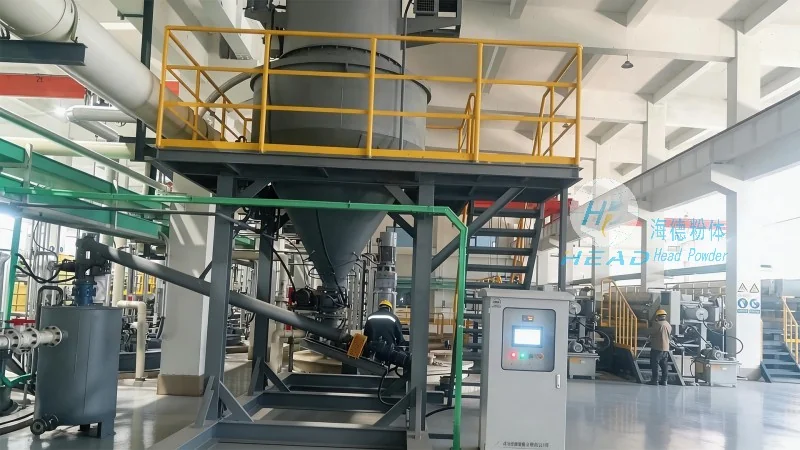
Applications and Benefits of Boron Nitride Powder Conveying Systems
Boron nitride powder conveying systems are widely used in various industries, including electronics, aerospace, and ceramics. In the electronics industry, BN powders are used as dielectric materials in capacitors and insulators, and the conveying system ensures that the powder is delivered to the production line without contamination. In the aerospace industry, BN powders are used as thermal barrier coatings and lubricants, and the system helps maintain the powder's purity and consistency. The benefits of using these systems include improved product quality, reduced downtime due to clogging or maintenance, and enhanced safety by minimizing the risk of powder dust explosions. Additionally, the systems can be designed to meet specific industry standards and regulations, such as those related to powder handling and environmental protection.
Conclusion
Boron nitride powder conveying systems are essential for industries that rely on BN powders for their products. The design principles and components of these systems are carefully engineered to handle the unique properties of BN powders, ensuring efficient and reliable transport. By understanding the key design considerations and technologies used in these systems, manufacturers can optimize their operations and maintain the quality of their products. As the demand for high-performance boron nitride materials continues to grow, the importance of efficient powder conveying systems will only increase, making them a critical component in the production process. Shandong HeadPowder Engineering Co., Ltd. is committed to providing innovative and reliable powder conveying solutions that meet the specific needs of its clients, ensuring that their boron nitride powders are handled with the utmost care and precision.