

What is a Magnesium Sulfate Powder Handling System? And What Are Its Design Principles?
For industrial applications involving magnesium sulfate, an efficient and reliable powder handling system is crucial. This system is designed to manage the transportation, storage, and processing of magnesium sulfate powder, ensuring optimal performance and safety in various production environments. Understanding the components and design principles of such a system is essential for industries that rely on this chemical compound.
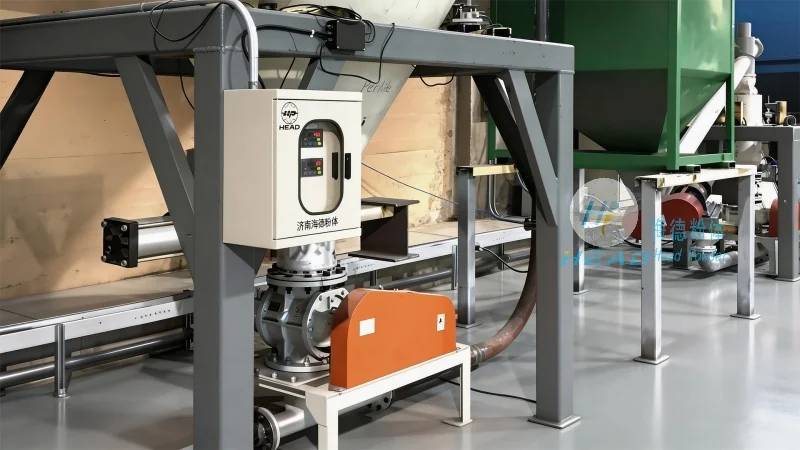
Overview of Magnesium Sulfate Powder Handling Systems
Magnesium sulfate, commonly known as Epsom salt, is widely used in agriculture, pharmaceuticals, and chemical manufacturing. Its powder form requires specialized equipment to handle due to its hygroscopic nature and potential for dust generation. A typical powder handling system for magnesium sulfate includes several key components that work together to ensure smooth operation. These components may include feeders, conveyors, storage silos, and control systems, all tailored to the specific characteristics of magnesium sulfate powder.
Key Design Principles for Efficient Powder Handling
The design of a magnesium sulfate powder handling system is guided by several fundamental principles aimed at maximizing efficiency, safety, and product integrity. One of the primary considerations is the prevention of dust accumulation and related health hazards. This is achieved through the use of enclosed systems, proper ventilation, and dust suppression measures. Additionally, the system must address the hygroscopic properties of magnesium sulfate, which can lead to clumping and caking if not managed properly. Design solutions often include moisture control mechanisms and anti-caking additives to maintain the flowability of the powder.
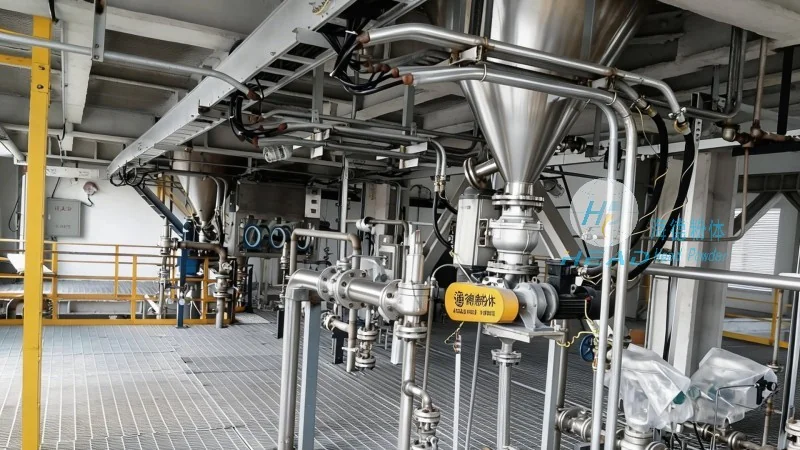
Components and Their Functions in the System
At the core of a magnesium sulfate powder handling system are several critical components that facilitate the movement and storage of the material. The feeders, such as rotary or vibratory feeders, are responsible for controlling the flow rate of the powder from the storage silo to the processing equipment. Conveyors, including belt or pneumatic systems, transport the powder between different stages of the production line. Storage silos are designed to hold large quantities of magnesium sulfate while maintaining the material's quality and preventing degradation. Control systems, often integrated with sensors and automation technology, monitor the system's performance and adjust operations as needed to ensure consistent output.
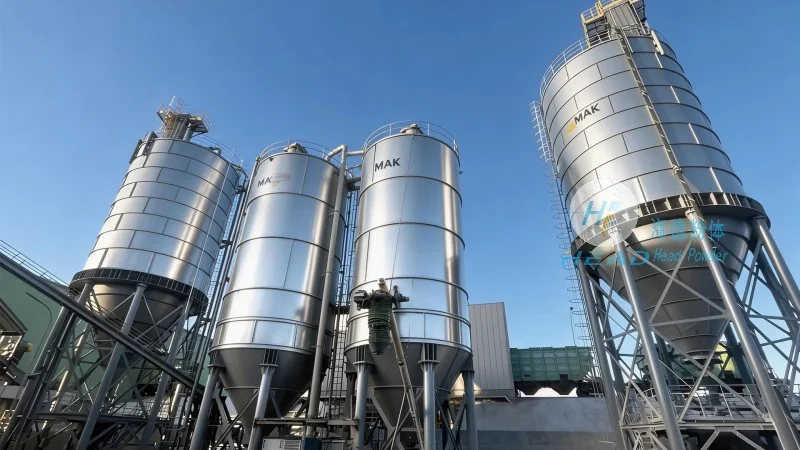
Ensuring Safety and Compliance in Design
Safety is a paramount concern in the design of any powder handling system, especially for magnesium sulfate, which may pose inhalation risks if not handled correctly. The system incorporates various safety features, including dust collection systems, explosion-proof components, and emergency shutdown mechanisms. Compliance with industry standards and regulations, such as those from OSHA or local environmental agencies, is also a key aspect of the design process. These standards dictate requirements for material handling, ventilation, and waste management, ensuring that the system operates within legal and safety frameworks.
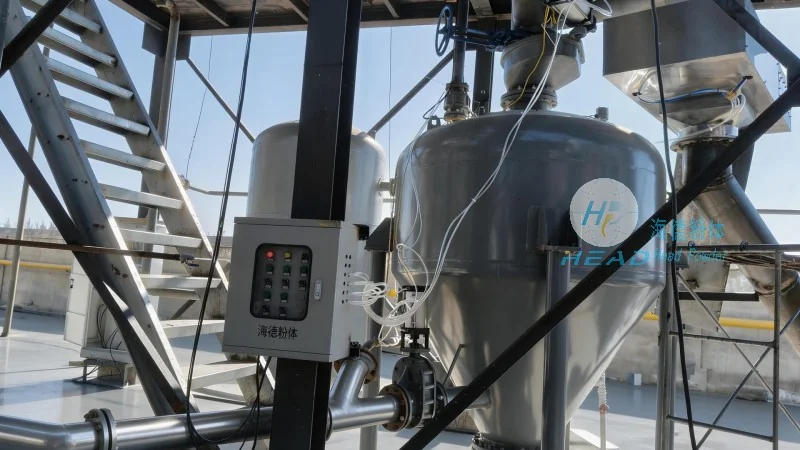
Customization and Scalability for Different Applications
Given the diverse applications of magnesium sulfate, powder handling systems are often customized to meet specific operational needs. The system's design can be scaled to accommodate varying production volumes, from small-scale laboratory use to large industrial manufacturing. Customization may involve adjusting the size of silos, the type of conveyor system, or the control logic to suit the unique requirements of the application. This flexibility allows industries to optimize their processes while maintaining efficiency and reliability.
Conclusion: The Importance of a Well-Designed System
In conclusion, a magnesium sulfate powder handling system is a sophisticated piece of equipment that combines engineering principles with practical solutions to manage the unique challenges of handling this chemical compound. The design principles, components, and safety measures integrated into such a system ensure that industries can efficiently process magnesium sulfate while maintaining product quality and operational safety. For companies in need of reliable powder handling solutions, understanding these aspects is crucial for selecting the right system and optimizing their production processes.