

What is a Negative Pressure Pneumatic Powder Conveying System? And What Are Its Design Principles?
A negative pressure pneumatic powder conveying system is an industrial solution designed to transport bulk powders and granular materials efficiently over extended distances. Unlike positive pressure systems that push material through pipelines using compressed air, this system operates by creating a vacuum at the material intake point. This vacuum draws air and material into the system, enabling gentle and controlled material handling. The system is particularly well-suited for materials that are sensitive to pressure, prone to dust generation, or require low-temperature processing, making it a preferred choice in industries such as food, pharmaceuticals, chemicals, and agriculture.
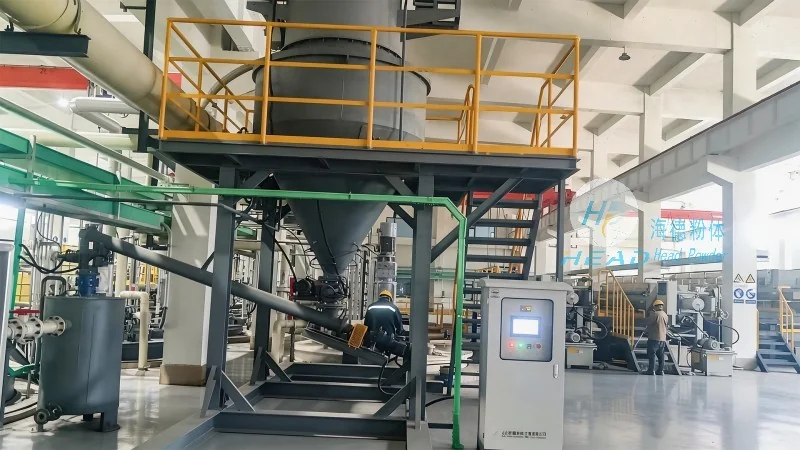
About HeadPowder: Your Expert in Powder Handling Solutions
HeadPowder, an abbreviation for Shandong HeadPowder Engineering Co., Ltd., is a leading manufacturer and supplier of advanced powder handling equipment. With its headquarters located in Shandong, China, the company specializes in developing and manufacturing high-quality negative pressure pneumatic conveying systems tailored to meet the diverse needs of various industries. HeadPowder's commitment to innovation and precision engineering ensures that their products deliver reliable performance, efficient material transport, and adherence to industry standards. The company's team of engineers and technicians leverages years of experience to design systems that optimize material flow, minimize energy consumption, and enhance overall operational efficiency.
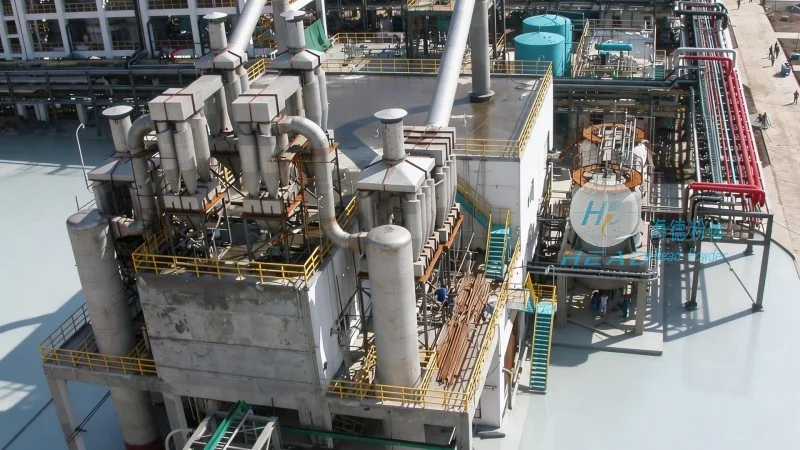
The Design Principles Behind Negative Pressure Pneumatic Conveying
The fundamental design principle of a negative pressure system is the creation and maintenance of a vacuum at the material inlet. This is achieved through a combination of key components, including a vacuum pump, a material intake hopper, a filter, and a pipeline network. The vacuum pump generates the necessary negative pressure, which draws air and material from the source into the system. The material is then separated from the air in the filter, and the clean air is either recirculated or released safely. The design emphasizes gentle material handling, as the vacuum is carefully controlled to prevent material degradation or breakage. This makes the system ideal for delicate powders such as food additives, pharmaceuticals, and fine chemicals, where maintaining material integrity is critical.
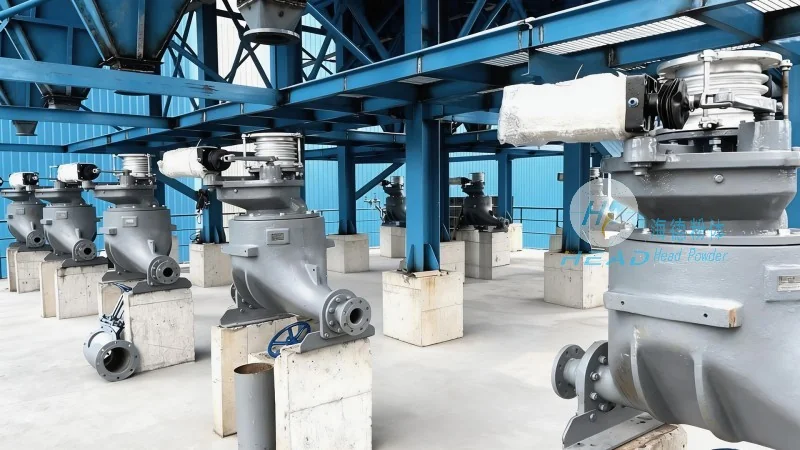
Key Advantages of Negative Pressure Pneumatic Conveying Systems
One of the primary advantages of negative pressure systems is their ability to handle long-distance material transport with minimal energy consumption. By using a vacuum to draw material, the system requires less power compared to positive pressure systems, which often need higher air pressure to force material through pipelines. Additionally, the negative pressure approach reduces the risk of dust dispersion, making it ideal for applications where environmental control is critical. The system also offers flexibility in material handling, as it can transport materials from multiple points to a single destination or vice versa, with the ability to integrate with existing processing equipment. Another key benefit is the reduced maintenance requirements, as the system operates with fewer moving parts compared to positive pressure systems, leading to lower operational costs and longer equipment lifespan.