

Positive and Negative Electrode Material Powder Conveying System Equipment: Design Principles Explai
For manufacturers in the battery industry, the efficient and reliable handling of positive and negative electrode materials is critical to production efficiency and product quality. This is where specialized powder conveying systems come into play, designed to manage the unique properties of these materials. In this article, we explore the equipment used for conveying these materials and the underlying design principles that ensure optimal performance.
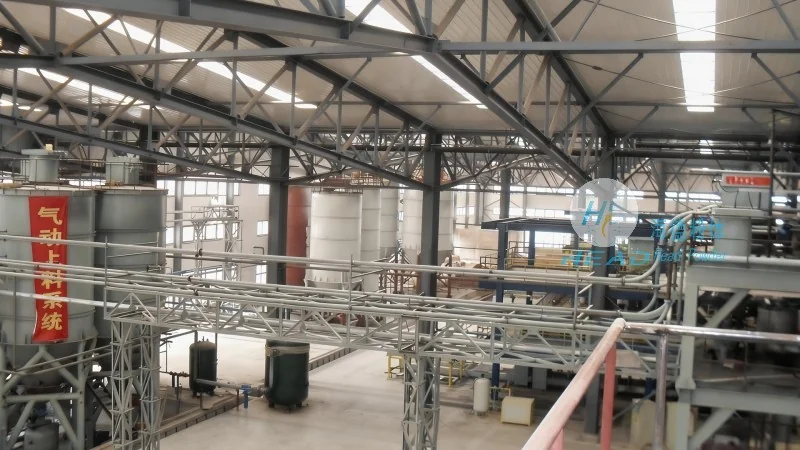
HeadPowder, a leading provider of engineering solutions in China, specializes in the design and manufacturing of advanced powder handling systems. With a focus on precision and reliability, the company’s products are tailored to meet the demanding requirements of modern battery production lines. Based on the company’s expertise, we will delve into the components and design principles of positive and negative electrode material powder conveying systems.
Key Components of Positive and Negative Electrode Material Powder Conveying Systems
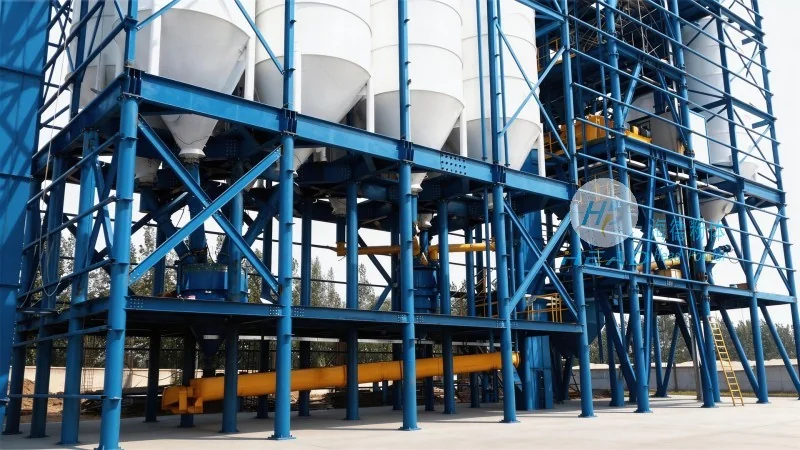
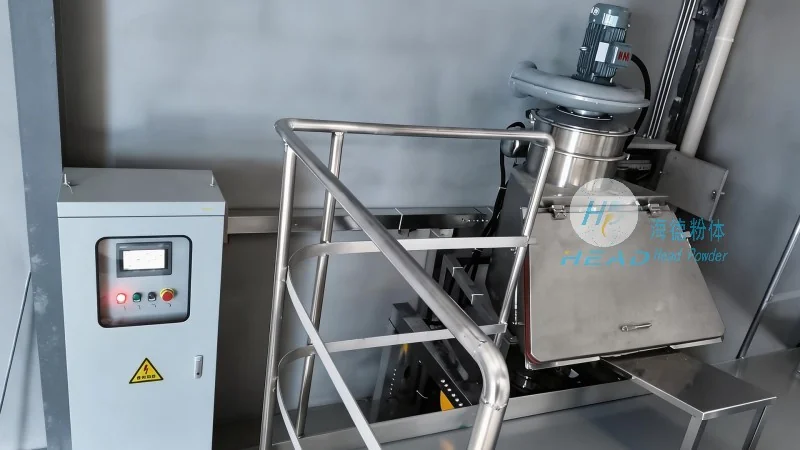
The core of any powder conveying system is a combination of components that work together to transport materials safely and efficiently. For positive and negative electrode materials, these systems typically include: conveying equipment such as screw conveyors or pneumatic systems, sealing mechanisms to prevent material leakage and contamination, and control systems for precise flow regulation. Each component is selected based on the specific characteristics of the electrode materials, including particle size, moisture content, and chemical properties.
Design Principles for Optimal Performance
The design of positive and negative electrode material powder conveying systems is guided by several key principles to ensure high efficiency, minimal material loss, and compliance with safety standards. First, seal integrity is paramount, as these materials are often sensitive to moisture and air exposure. Advanced sealing technologies, such as double-flanged or hermetic seals, are employed to maintain airtight conditions during transport. Second, material compatibility is critical; the conveying equipment and components must be resistant to the chemical properties of the electrode materials to avoid corrosion or degradation. Third, flow control is essential to prevent clogging and ensure consistent material delivery. Variable speed drives and pressure sensors are commonly used to adjust the flow rate based on real-time conditions.
Applications and Benefits
Positive and negative electrode material powder conveying systems are widely used in the production of lithium-ion batteries, where the quality of these materials directly impacts battery performance and lifespan. The systems from HeadPowder Engineering Co., Ltd. offer several advantages, including: improved production throughput, reduced material waste, and enhanced safety through effective sealing. By integrating these systems into battery manufacturing lines, companies can achieve greater efficiency and consistency in their production processes.
Conclusion
Understanding the design principles of positive and negative electrode material powder conveying systems is essential for optimizing battery production. The equipment and engineering solutions provided by Shandong HeadPowder Engineering Co., Ltd. demonstrate a commitment to innovation and reliability, addressing the unique challenges of handling these critical materials. As the battery industry continues to evolve, such specialized systems will remain vital in ensuring high-quality production and meeting market demands.