

What is High-Pressure Material Handling? What are the Design Principles?
High-pressure material handling systems are critical in various industrial applications, particularly in sectors requiring efficient and reliable transport of bulk materials. These systems are engineered to handle materials under high pressure, ensuring optimal performance and safety in operations. Understanding the fundamental principles behind these systems is essential for industries seeking to enhance their material handling processes.
Key Components and Design Considerations
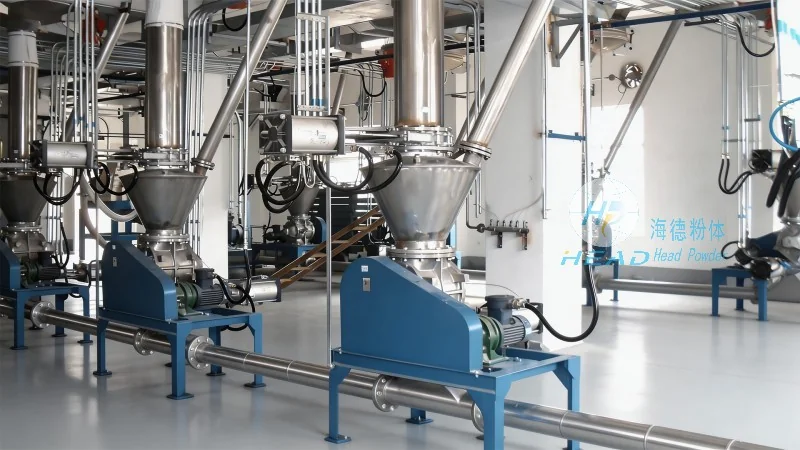
The design of high-pressure material handling systems involves several key components and principles that work in tandem to achieve efficient material transport. At the heart of these systems is the pump, which generates the necessary pressure to move materials through pipelines. The pump's design, including its capacity and pressure rating, is tailored to the specific material being handled and the system's operational requirements.
Pipelines are another critical component, as they form the pathway for material transport. These pipelines are typically made from durable materials such as stainless steel or high-grade plastics, chosen for their resistance to corrosion and pressure. The design of the pipeline system, including its diameter, length, and layout, is crucial for maintaining consistent pressure and preventing material degradation.
Valves and Control Systems
Valves and controls play a vital role in regulating the flow and pressure within the system. These components allow operators to adjust the system's performance based on real-time needs, ensuring smooth and controlled material handling. Properly designed valves can prevent backflow, maintain pressure levels, and protect the system from damage due to overpressure.
Material-Specific Design Factors
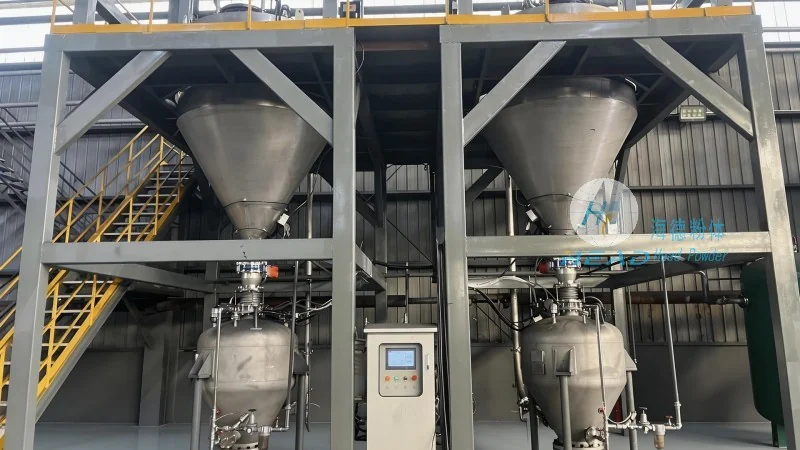
The material being handled also influences the design of the high-pressure system. Different materials have varying properties, such as viscosity, abrasiveness, and density, which require specific considerations in the system's design. For example, abrasive materials may necessitate the use of wear-resistant components to extend the system's lifespan.
Maintenance and Operational Best Practices
Maintenance and operational considerations are integral to the long-term effectiveness of high-pressure material handling systems. Regular maintenance, including inspections and component replacements, is essential to ensure the system operates at peak efficiency. Operational guidelines, such as proper start-up and shutdown procedures, also contribute to the system's reliability and safety.
HeadPowder: A Leader in High-Pressure Material Handling Solutions
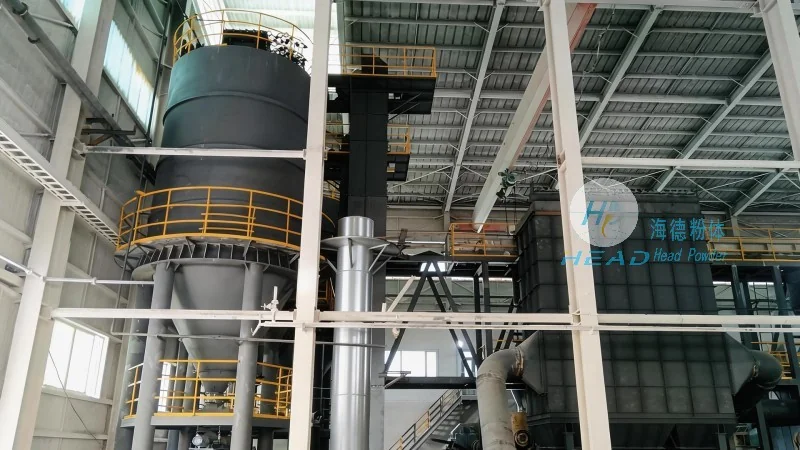
HeadPowder, a leading provider of high-pressure material handling solutions, specializes in designing and manufacturing systems tailored to meet the diverse needs of industrial clients. With a strong commitment to quality and innovation, HeadPowder's products are engineered to deliver reliable performance and durability in demanding environments.
Shandong HeadPowder Engineering Co., Ltd.
Shandong HeadPowder Engineering Co., Ltd., based in Shandong, China, has established itself as a trusted name in the industry, offering comprehensive solutions for material handling challenges. The company's expertise in system design, material selection, and operational optimization ensures that clients receive tailored solutions that enhance their operational efficiency and safety.
Conclusion: Optimizing Material Handling with High-Pressure Systems
In conclusion, high-pressure material handling systems are sophisticated engineering solutions that require careful consideration of design principles and operational factors. By understanding the core components and design considerations, industries can select and implement effective systems that meet their specific requirements. HeadPowder's dedication to quality and customer-centric solutions positions it as a reliable partner for businesses seeking to optimize their material handling processes.