

What is Pulse Jet Dust Collector Material Handling? And What Are Its Design Principles?
Understanding the mechanisms and design principles of pulse jet dust collectors is crucial for optimizing material handling in industrial applications. This article delves into the core concepts of pulse jet dust collector material handling, exploring how these systems efficiently manage dust and particulate matter while ensuring smooth material transport. The focus will be on the operational principles and engineering design that underpin the effectiveness of pulse jet dust collectors in various industrial settings.
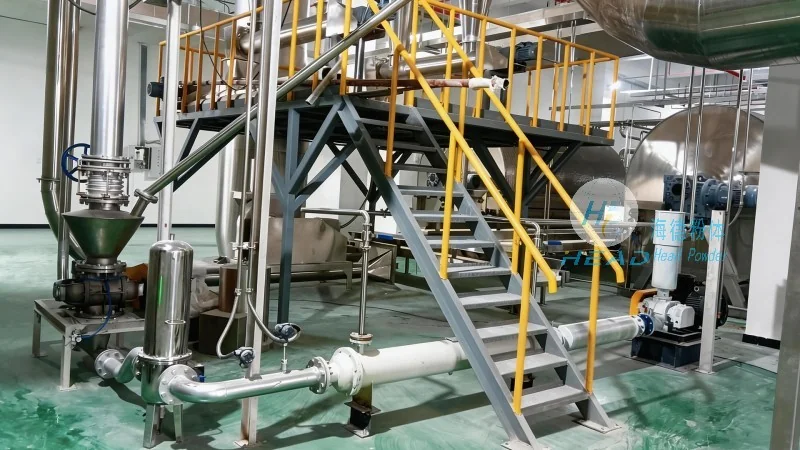
HeadPowder, a leading provider in the field, specializes in the design, manufacturing, and implementation of advanced dust collection systems. With a strong presence in Shandong, China, HeadPowder Engineering Co., Ltd. has established itself as a trusted partner for businesses seeking reliable solutions to manage air quality and material handling challenges. The company's expertise lies in integrating cutting-edge technology with practical engineering to deliver systems that meet stringent industrial standards.
Pulse jet dust collectors operate on a principle of using compressed air to create a high-velocity pulse that dislodges dust from filter bags or cartridges. This process, known as "pulsing," involves rapid bursts of air that clean the filter media, preventing clogging and maintaining consistent air flow. The design of these systems is critical, as it directly impacts the efficiency of dust removal and material handling. Key components include the filter housing, pulse valve, air compressor, and the arrangement of filter elements, all of which work in tandem to ensure optimal performance.
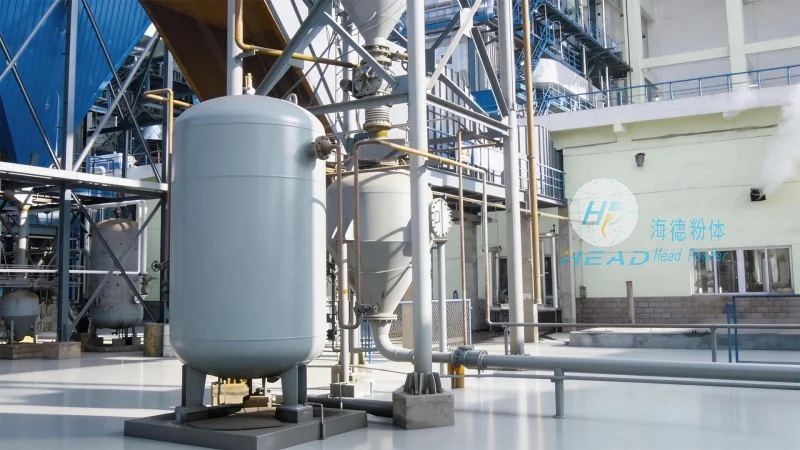
The material handling aspect of pulse jet dust collectors is integral to their overall functionality. These systems are often integrated with conveyor systems, hoppers, and other material transport equipment to create a seamless workflow. The design must consider the type of material being handled—whether it's fine powders, bulk solids, or other particulate materials—and tailor the system's parameters accordingly. For instance, the size and density of the material can influence the air velocity required for effective transport and filtration.
Engineering design plays a pivotal role in the performance of pulse jet dust collectors. The selection of filter media, such as polyester or polypropylene, depends on the chemical and physical properties of the dust. The filter area and number of filter bags are calculated based on the expected dust load and airflow rates. Additionally, the placement of the pulse valves and the timing of the pulses are optimized to minimize pressure drop and maximize dust capture efficiency. These design considerations ensure that the system operates at peak efficiency, reducing maintenance costs and extending the lifespan of the equipment.
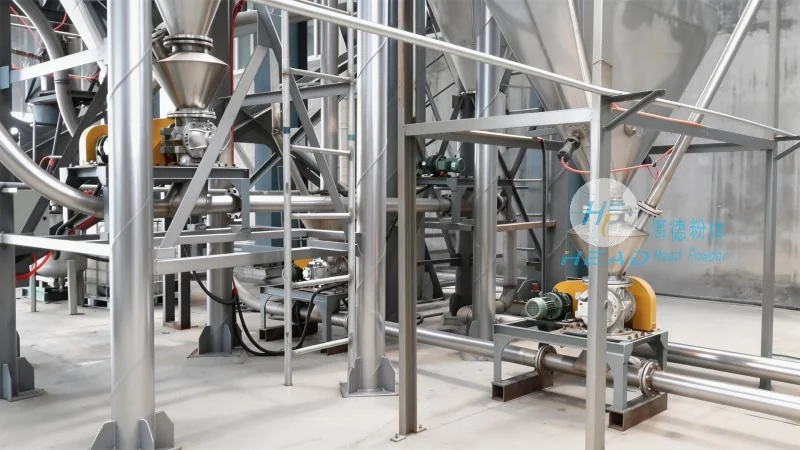
HeadPowder's approach to pulse jet dust collector design emphasizes customization and client-specific requirements. The company works closely with clients to understand their operational needs, environmental regulations, and material handling processes. By leveraging decades of experience in dust collection technology, HeadPowder engineers develop tailored solutions that address unique challenges, such as high dust concentrations or abrasive materials. The result is a system that not only meets but often exceeds industry standards for performance and reliability.
In conclusion, pulse jet dust collector material handling is a sophisticated system that combines advanced engineering with practical application. The design principles, from the selection of filter media to the timing of air pulses, are critical to ensuring efficient dust removal and smooth material transport. With companies like HeadPowder Engineering Co., Ltd. leading the way, industrial facilities can rely on these systems to maintain air quality, comply with regulations, and enhance overall operational efficiency. By understanding the core concepts and design considerations, businesses can make informed decisions when selecting and implementing pulse jet dust collectors for their material handling needs.