

What is PTA Material Handling? What Are Its Design Principles?
PTA (Polyethylene Terephthalate Acid) material handling is a specialized process in the chemical and polymer industries, focusing on the efficient transportation and management of PTA raw materials. This system is crucial for ensuring smooth operations in PTA production lines, where precise control over material flow is essential for maintaining product quality and operational efficiency. The design principles of PTA material handling systems are tailored to address the unique characteristics of PTA, such as its granular or powder form, and the need for minimal contamination and loss during handling.
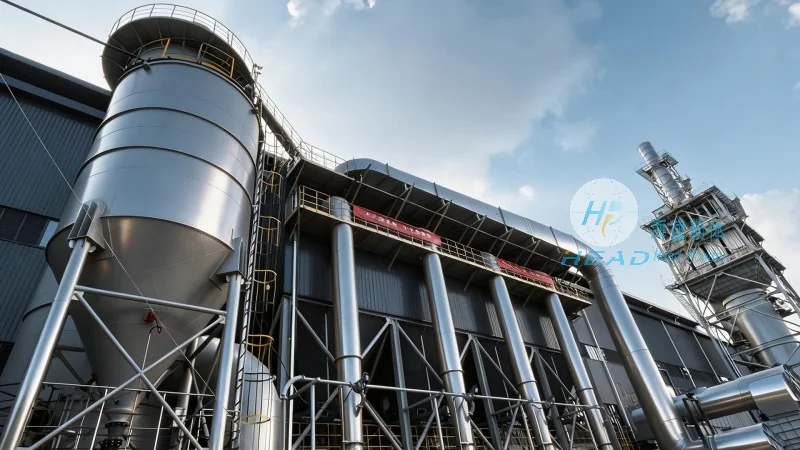
Understanding PTA Material Handling Systems
PTA material handling systems are engineered to handle PTA in various forms, including bulk powder, granules, or even as a slurry in some applications. The primary goal is to move PTA from storage or processing units to the next stage of production, such as reaction or polymerization, with minimal degradation and maximum efficiency. These systems typically involve a combination of equipment like conveyors, feeders, storage silos, and control mechanisms that work in tandem to ensure a consistent and reliable material flow.
Key Design Principles for PTA Material Handling
The design of PTA material handling systems adheres to several critical principles to optimize performance and safety. First, the system must minimize material degradation, which can occur due to friction, impact, or exposure to air. This is achieved through the use of specialized equipment like pneumatic conveyors or enclosed belt conveyors that reduce particle breakage and prevent contamination. Second, the design emphasizes energy efficiency and operational cost reduction. By optimizing the flow rate and reducing downtime, the system helps lower overall production costs. Third, safety is a paramount consideration, as PTA handling involves handling potentially hazardous materials. The design incorporates features like dust suppression systems, explosion-proof components, and secure access points to protect personnel and equipment.
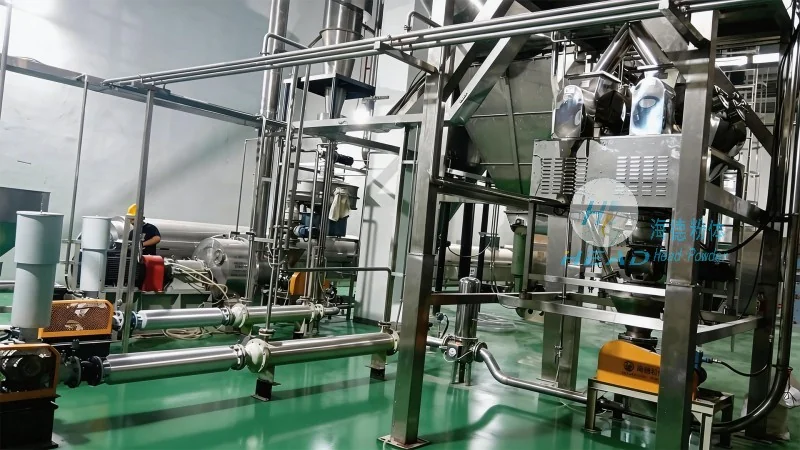
Components of a Typical PTA Material Handling System
A standard PTA material handling system consists of several key components that work together to achieve the desired material flow. The primary components include storage silos or hoppers for holding raw PTA, feeders that control the discharge rate from the storage unit, conveyors (such as screw conveyors, belt conveyors, or pneumatic systems) that transport the material, and control panels that monitor and regulate the entire process. Additionally, the system may include dust collection and filtration systems to maintain a clean working environment and comply with environmental regulations. Each component is carefully selected and integrated to ensure seamless operation and adaptability to varying production demands.
The Role of Material Properties in Design
The physical and chemical properties of PTA play a significant role in the design of material handling systems. PTA is a fine powder or granule with a relatively high density and abrasive nature, which can cause wear on equipment components. Therefore, the design must account for these properties by using materials like stainless steel or special alloys for conveyor parts and wear-resistant liners in hoppers and silos. Furthermore, PTA is hygroscopic, meaning it can absorb moisture from the air, which may affect its processing characteristics. The system design includes measures to control humidity and prevent moisture absorption, such as sealed storage and dry air systems, to maintain the material's quality throughout the handling process.
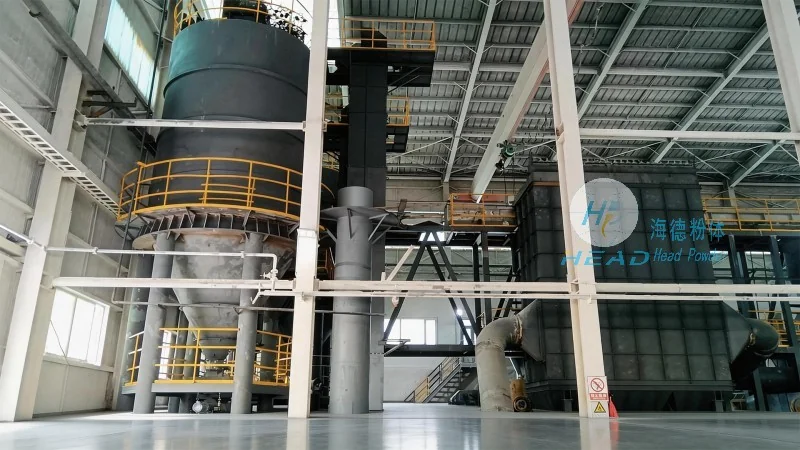
Application of PTA Material Handling in Industrial Settings
PTA material handling systems are widely used in the production of polyester fibers and resins, where PTA is a key raw material. In these industrial settings, the system ensures that PTA is transported from storage tanks or silos to the reaction vessels with precision and speed. The design of the system is tailored to the specific requirements of the production line, such as the required flow rate, the distance to be covered, and the environmental conditions of the facility. By integrating the PTA handling system with other production equipment, manufacturers can achieve a more streamlined and efficient production process, reducing bottlenecks and improving overall productivity.
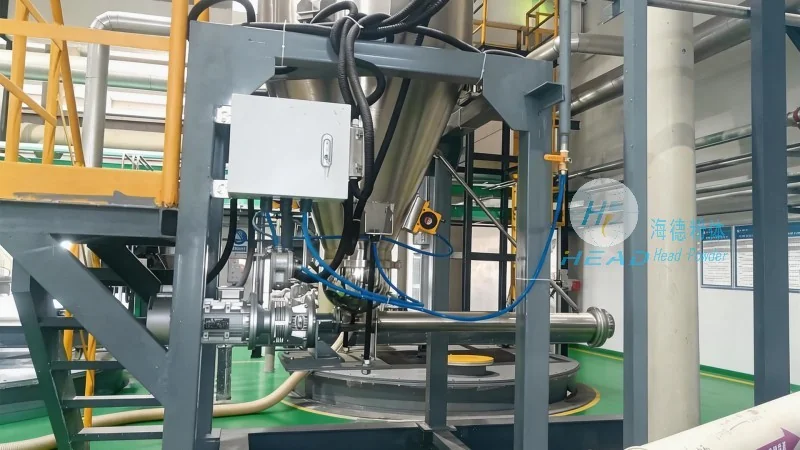
Advantages of Optimized PTA Material Handling
Implementing an optimized PTA material handling system offers several advantages for industrial operations. Firstly, it enhances product quality by minimizing material degradation and contamination, which directly impacts the final product's performance and market value. Secondly, it improves operational efficiency by reducing downtime and increasing throughput, leading to higher production output and lower costs. Thirdly, it enhances safety by incorporating protective features that prevent accidents and ensure compliance with safety regulations. Finally, it contributes to environmental sustainability by reducing waste and improving the overall management of raw materials.
Conclusion
In conclusion, PTA material handling is a critical aspect of the chemical and polymer industries, and its design principles are carefully crafted to address the unique challenges of handling PTA. By focusing on efficiency, safety, and material integrity, these systems ensure smooth operations and contribute to the overall success of PTA production. The expertise of companies like Shandong HeadPowder Engineering Co., Ltd., with their deep understanding of material handling technologies, plays a vital role in designing and implementing effective PTA material handling solutions for industrial clients.