

What is Soybean Meal Material Handling? And What Are Its Design Principles?
Soybean meal is a vital byproduct of soybean processing, widely utilized in animal feed and various industrial applications. Efficient material handling of soybean meal is essential for optimizing production processes, ensuring product quality, and maintaining operational safety. This article explores the fundamental aspects of soybean meal material handling, focusing on key design principles that underpin effective systems.
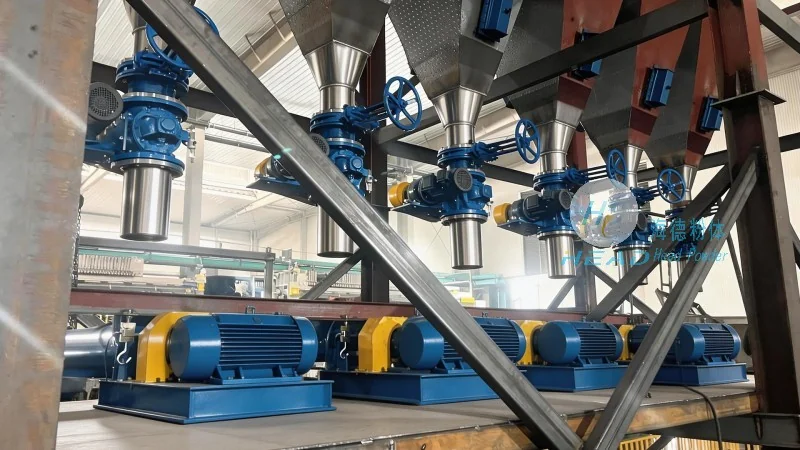
Key Components of Soybean Meal Material Handling Systems
Effective soybean meal material handling systems typically consist of several interconnected components, each playing a vital role in the overall process. These components include feeders, conveyors, storage silos, and control systems. The selection and integration of these components are critical to achieving optimal performance and reliability.
Design Principles for Efficient Soybean Meal Handling
Several key design principles guide the development of efficient soybean meal material handling systems. First, material flow optimization is paramount. This involves designing a system that minimizes friction, reduces material degradation, and ensures smooth movement from the source to the destination. For soybean meal, which is a fine, powdery material, this often requires specialized equipment to prevent caking and blockages.
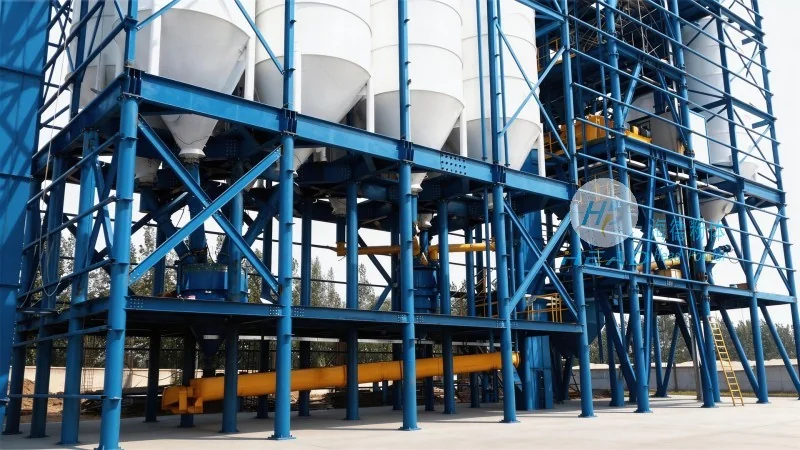
Second, the principle of dust control is essential. Soybean meal is a fine powder that can generate significant dust during handling, which poses health and safety risks. Therefore, dust suppression systems, such as sealed conveyors and dust collection units, are integral to the design. These systems help maintain a safe working environment and comply with regulatory standards.
Third, the principle of scalability and adaptability is important. Modern material handling systems must be able to accommodate varying production volumes and product specifications. This requires flexible equipment that can be easily adjusted or expanded to meet changing operational needs. For soybean meal processing, this might involve systems that can handle different moisture contents or particle sizes.
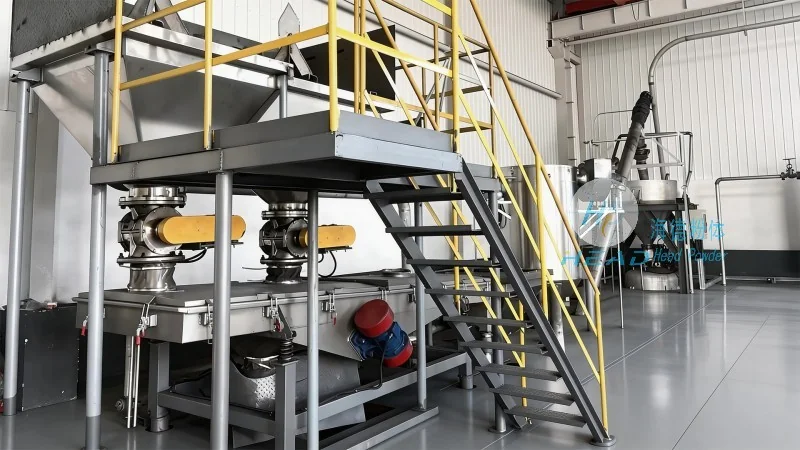
Role of HeadPowder in Soybean Meal Material Handling Solutions
Shandong HeadPowder Engineering Co., Ltd., a leading provider of material handling solutions, specializes in designing and manufacturing systems tailored to the unique challenges of soybean meal processing. With years of experience in the industry, HeadPowder understands the importance of adhering to design principles that ensure efficiency, safety, and durability.
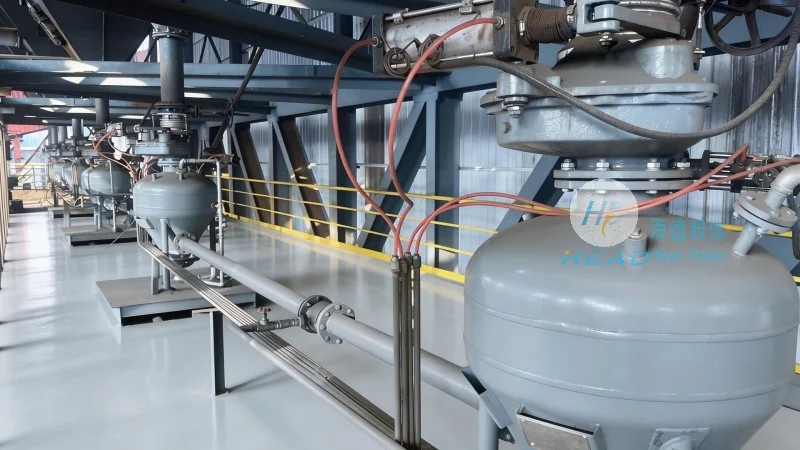
HeadPowder's expertise lies in integrating advanced technologies into material handling systems. For example, their conveyors are engineered to handle fine powders like soybean meal with minimal degradation. The company also emphasizes the importance of dust control, incorporating sealed systems and efficient filtration to maintain a safe workplace. Additionally, their systems are designed for scalability, allowing clients to expand their operations as their business grows.
Conclusion: The Importance of Proper Design in Soybean Meal Material Handling
In conclusion, the design of soybean meal material handling systems is a complex but critical aspect of soybean processing operations. By adhering to key design principles such as material flow optimization, dust control, and scalability, companies can achieve efficient, safe, and reliable operations. Companies like Shandong HeadPowder Engineering Co., Ltd. play a vital role in providing the expertise and equipment needed to implement these principles effectively, ensuring that soybean meal is handled in a manner that maximizes productivity and minimizes risks.