

What is Coal Fly Ash Material Handling? And What Are the Design Principles?
Coal fly ash, a byproduct of coal combustion in thermal power plants, is a fine powder that requires efficient handling and transportation for various industrial applications. The process of moving this material from its source to processing or storage facilities is known as coal fly ash material handling. This article explores the fundamental aspects of this process and the key design principles that ensure its effective and safe execution. With decades of experience, Shandong HeadPowder Engineering Co., Ltd., a leading provider in material handling solutions, offers advanced systems tailored to the unique challenges of coal fly ash management.
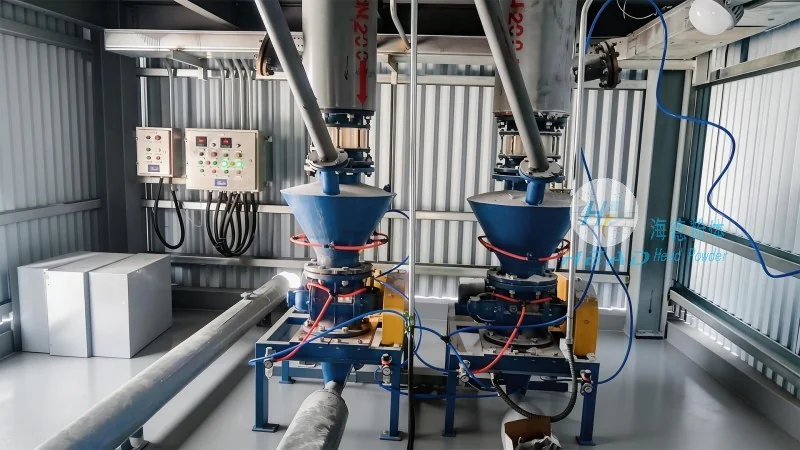
Understanding Coal Fly Ash Material Handling
Coal fly ash, also referred to as fly ash, is a fine particulate material generated when coal is burned at high temperatures in power generation facilities. It consists of tiny particles of silica, alumina, iron oxide, and other minerals. Due to its fine texture and potentially hazardous nature, proper handling is crucial to prevent dust emissions, minimize environmental impact, and ensure worker safety. Material handling systems for coal fly ash typically involve the collection of ash from boilers, its transport to storage silos or processing units, and subsequent use in construction materials, cement production, or other industrial applications.
Key Design Principles for Coal Fly Ash Material Handling Systems
The design of coal fly ash material handling systems is governed by several critical principles to ensure efficiency, safety, and environmental compliance. These principles include:
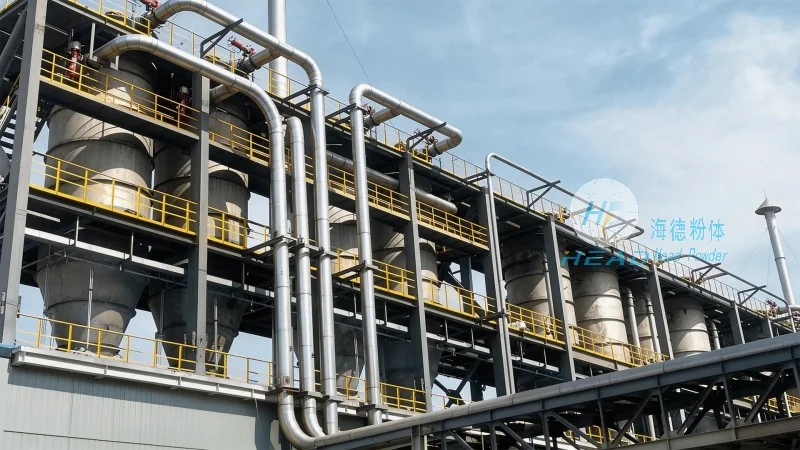
1. Material Compatibility and Flow Characteristics: The design must account for the physical properties of coal fly ash, such as its particle size distribution, moisture content, and flowability. Proper equipment selection, like screw conveyors or pneumatic systems, is essential to maintain consistent flow and prevent blockages. For example, headpowder, a leading provider in the field, utilizes advanced material handling solutions that optimize ash flow by considering these characteristics.
2. Environmental Protection Measures: Coal fly ash can be a source of air and dust pollution if not handled correctly. Design principles emphasize the use of dust suppression systems, enclosed conveying lines, and filtration equipment to minimize emissions. This not only complies with environmental regulations but also protects the health of workers and nearby communities. Companies like Shandong HeadPowder Engineering Co., Ltd. integrate these measures into their systems to ensure sustainable operation.
3. System Integration and Automation: Modern material handling systems for coal fly ash often incorporate automation and control technologies to enhance efficiency and reduce human error. This includes sensors for level monitoring, flow control valves, and automated feeding mechanisms. Such integration allows for real-time monitoring of the system's performance, enabling quick adjustments to maintain optimal operation. The use of advanced control systems is a hallmark of contemporary design, ensuring reliability and consistency in ash handling processes.
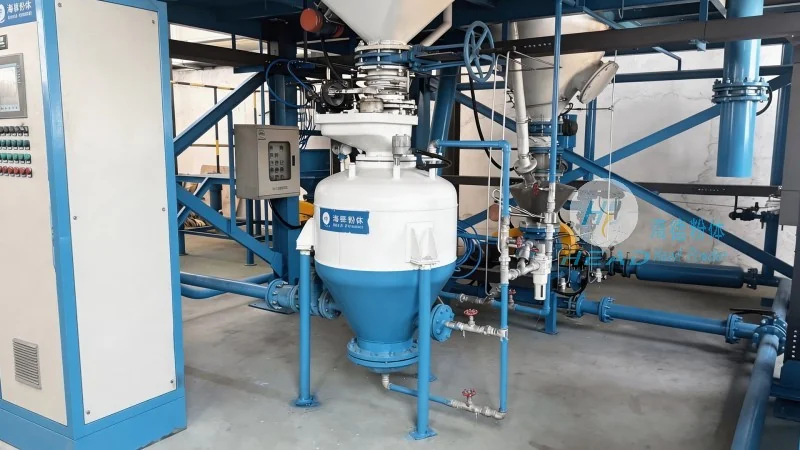
4. Safety and Operational Reliability: Safety is a paramount consideration in coal fly ash material handling. Design principles prioritize the use of robust equipment, proper ventilation, and emergency shutdown systems. Additionally, regular maintenance schedules and safety protocols are integral to ensuring the long-term reliability of the system. By adhering to these principles, facilities can minimize accidents, downtime, and operational risks associated with handling this material.
Conclusion
Coal fly ash material handling is a complex process that requires careful consideration of material properties, environmental regulations, and operational safety. The design principles outlined above are essential for developing efficient and sustainable systems. Companies like Shandong HeadPowder Engineering Co., Ltd., with its expertise in material handling solutions, play a vital role in providing tailored systems that meet the specific needs of power plants and industrial facilities. By adhering to these design principles, facilities can effectively manage coal fly ash, reduce environmental impact, and ensure safe, reliable operation.