

What is Magnesium Oxide Material Handling? And What Are Its Design Principles?
When it comes to industrial material handling, especially for materials like magnesium oxide, understanding the proper methods and design principles is crucial. Magnesium oxide (MgO), also known as magnesia, is a white crystalline solid that is widely used in various industries, including construction, pharmaceuticals, and chemical manufacturing. Efficient handling of this material is essential to ensure safety, maintain product quality, and optimize operational efficiency.
Understanding Magnesium Oxide Material Handling
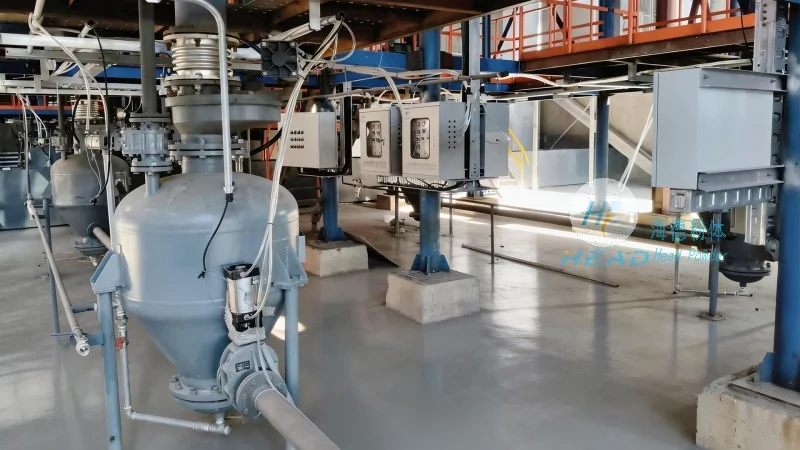
Magnesium oxide material handling involves the processes of transporting, storing, and managing magnesium oxide in industrial settings. This material is often handled in bulk form, such as in powder or granular states, which requires specialized equipment and systems to prevent dust generation, ensure proper flow, and maintain safety standards. The primary goal of material handling for magnesium oxide is to move the material from its source to its destination with minimal loss, contamination, and risk to personnel.
Key Design Principles for Magnesium Oxide Handling Systems
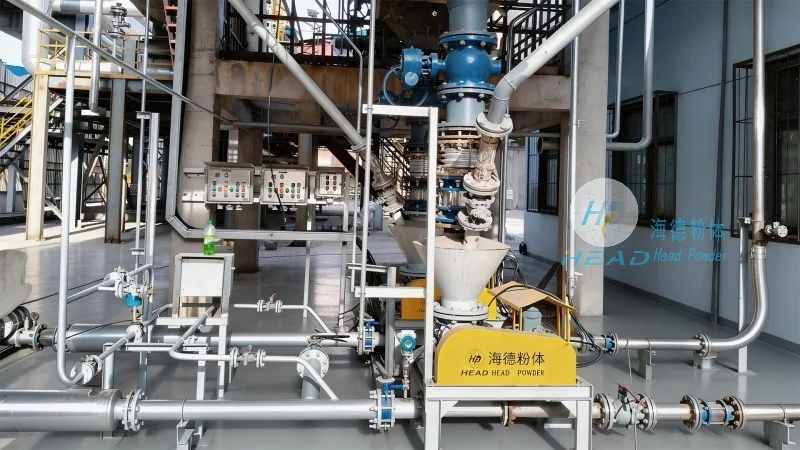
The design of magnesium oxide material handling systems follows several critical principles to ensure effectiveness and safety. First, dust control is paramount. Magnesium oxide is a fine powder that can create hazardous dust clouds, leading to respiratory issues and other health risks. Therefore, systems must incorporate dust suppression measures, such as enclosed conveyors, dust collection systems, and proper ventilation. Second, material flow is optimized through the use of appropriate equipment like belt conveyors, screw conveyors, and pneumatic conveying systems. These systems are designed to handle the specific properties of magnesium oxide, including its density, flowability, and potential for caking. Third, safety and operational efficiency are balanced by implementing proper sealing, cleaning protocols, and regular maintenance schedules. The design must also consider the material's reactivity and potential for chemical interactions with other substances, ensuring that the handling system is compatible and does not compromise product quality.
Equipment Used in Magnesium Oxide Material Handling
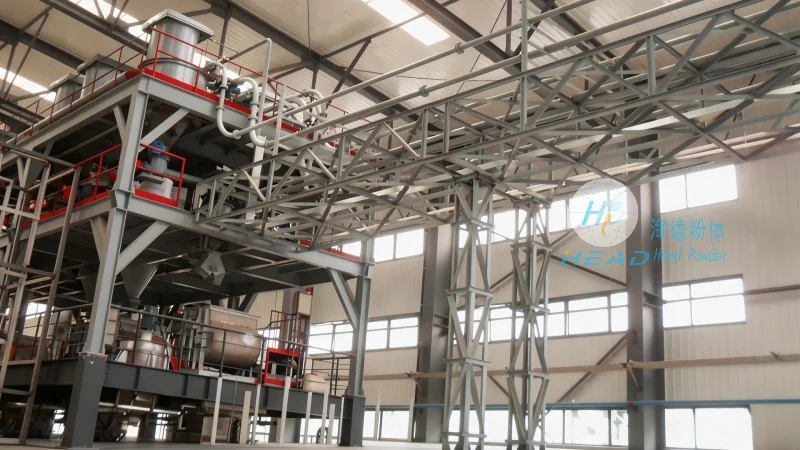
Several types of equipment are commonly used in magnesium oxide material handling operations. Belt conveyors are widely used for horizontal and inclined transport, providing a reliable and efficient way to move bulk materials. Screw conveyors are effective for vertical or inclined transport, especially in confined spaces. Pneumatic conveying systems use air to transport the material, which is particularly useful for handling fine powders and preventing dust contamination. Additionally, storage silos and hoppers are used to store magnesium oxide, with designs that prevent material buildup and ensure smooth discharge. These systems are often equipped with level sensors and flow control mechanisms to maintain consistent material flow and prevent overfilling or underfilling.
Benefits of Proper Magnesium Oxide Material Handling
Implementing effective magnesium oxide material handling systems offers numerous benefits. Firstly, it enhances workplace safety by reducing dust exposure and minimizing the risk of accidents. Proper containment and handling reduce the likelihood of respiratory issues and other health problems among workers. Secondly, it improves product quality by preventing contamination and ensuring consistent material properties. This is crucial for applications where magnesium oxide is used as a raw material, as any impurities or variations can affect the final product's performance. Thirdly, it optimizes operational efficiency by reducing downtime and increasing throughput. Well-designed systems minimize material loss and reduce the need for manual intervention, leading to lower labor costs and higher productivity. Finally, it complies with regulatory standards, as many industries have strict guidelines regarding the handling of hazardous materials like magnesium oxide. Proper design and implementation ensure that the company meets safety and environmental regulations, avoiding potential fines and legal issues.
Conclusion
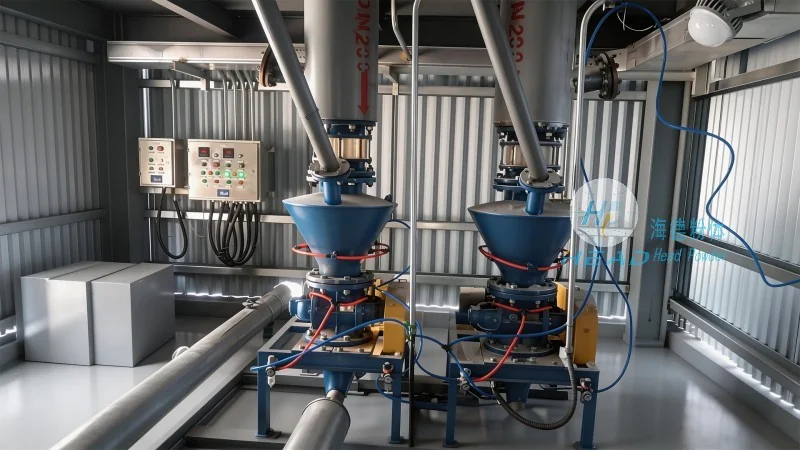
In conclusion, magnesium oxide material handling is a critical aspect of industrial operations, requiring careful consideration of design principles and appropriate equipment. The systems must prioritize safety, efficiency, and product quality to ensure successful material transport and management. For companies dealing with magnesium oxide, partnering with experienced engineering firms like Shandong HeadPowder Engineering Co., Ltd. can provide the expertise needed to design and implement effective material handling solutions. With a focus on dust control, optimized flow, and safety protocols, these systems contribute to a safer, more efficient, and compliant industrial environment.