

Hydrogen Sulfide Material Handling: Understanding the Process and Design Principles
Hydrogen sulfide (H₂S) is a highly toxic and flammable gas commonly encountered in industrial settings, particularly in oil and gas, mining, and wastewater treatment operations. Proper material handling of H₂S is critical for ensuring workplace safety, regulatory compliance, and operational efficiency. This article explores the fundamental aspects of hydrogen sulfide material handling, including its definition, key considerations, and the essential design principles that guide the development of safe and effective systems.
What is Hydrogen Sulfide Material Handling?
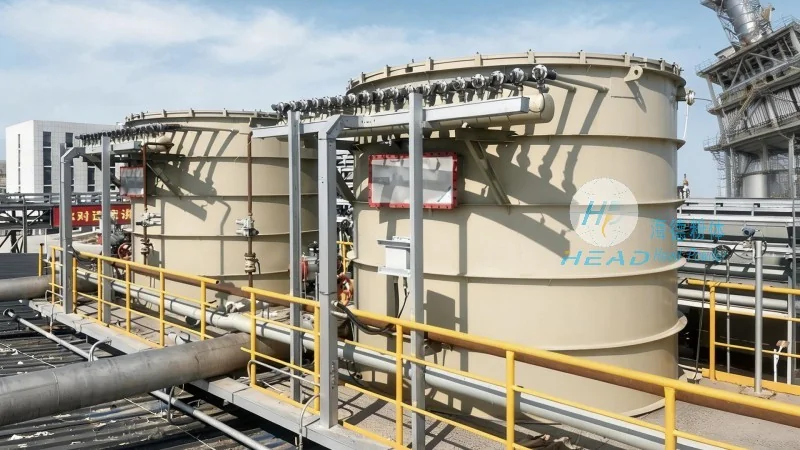
Hydrogen sulfide material handling refers to the processes and technologies used to transport, store, and manage H₂S-containing materials. This can include gases, liquids, or solid materials that may be contaminated with H₂S. The primary goal of such handling is to minimize exposure risks to personnel and prevent environmental contamination. In industrial applications, this involves specialized equipment and procedures tailored to the unique properties of H₂S, such as its toxicity, corrosiveness, and flammability.
Key Design Principles for Hydrogen Sulfide Material Handling Systems
The design of hydrogen sulfide material handling systems must adhere to stringent safety standards and engineering principles to mitigate risks. Several critical factors are considered during the design phase:
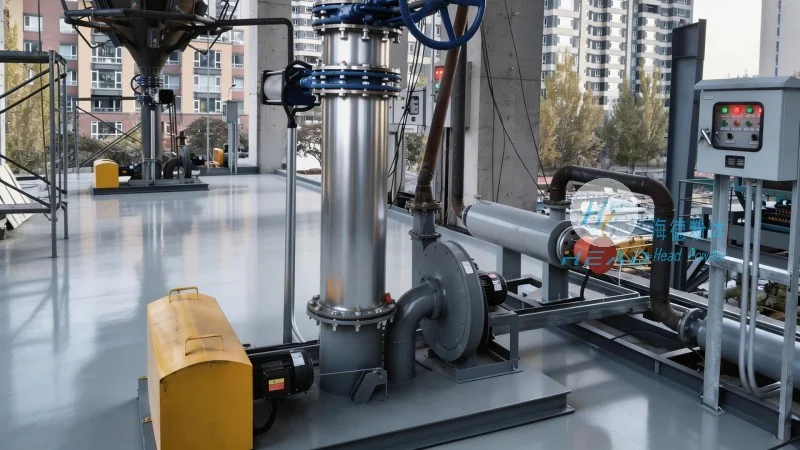
- Containment and Isolation: Systems must be designed to prevent H₂S from escaping into the environment or reaching personnel. This includes the use of sealed vessels, pressure relief systems, and isolation valves to contain the gas.
- Material Compatibility: All components in the system, including pipes, valves, and storage tanks, must be made from materials that are resistant to H₂S corrosion. Common materials include stainless steel, Hastelloy, and specialized polymers that can withstand the corrosive effects of the gas.
- Ventilation and Gas Detection: Proper ventilation systems are essential to maintain safe air quality in areas where H₂S is handled. Gas detection systems, such as H₂S sensors and alarms, are integrated to provide early warning of gas leaks or buildup, allowing for immediate action to protect workers.
- Pressure and Flow Control: Precise control of pressure and flow rates is crucial to prevent over-pressurization or excessive flow, which could lead to equipment failure or gas release. This is achieved through the use of pressure regulators, flow meters, and control valves.
- Emergency Shutdown (ESD) Systems: Robust ESD systems are incorporated to automatically shut down the material handling process in the event of a malfunction or emergency. These systems ensure that the gas is safely contained and that personnel are protected from exposure.
Components of a Typical Hydrogen Sulfide Material Handling System
A typical hydrogen sulfide material handling system consists of several key components that work together to ensure safe and efficient operation. These components include:
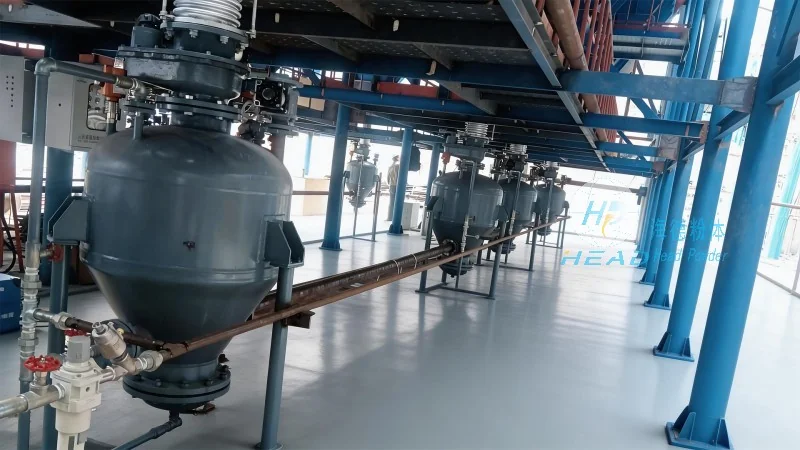
- Storage Tanks: Large, pressure-rated tanks are used to store H₂S-containing materials. These tanks are equipped with pressure relief valves and inspection ports to monitor the contents and ensure safe operation.
- Piping and Valves: Specialized piping systems, often made from corrosion-resistant materials, are used to transport H₂S from storage tanks to processing equipment or other destinations. Valves are strategically placed to control flow and isolate sections of the system for maintenance or emergency situations.
- Pumps and Compressors: Pumps or compressors are used to move H₂S through the system, maintaining the required pressure and flow rates. These devices are designed with safety features to prevent leaks and overloading.
- Gas Detection and Monitoring: Continuous monitoring systems are installed to detect H₂S levels in the air and alert personnel if concentrations exceed safe limits. These systems may include sensors, alarms, and data loggers to track gas levels over time.
- Containment and Spill Response: In the event of a spill or leak, the system includes containment measures, such as secondary containment basins, and spill response equipment to quickly contain and neutralize the H₂S.
Regulatory and Safety Considerations
Handling hydrogen sulfide is subject to strict regulations from organizations such as the Occupational Safety and Health Administration (OSHA) and the Environmental Protection Agency (EPA). Compliance with these regulations is essential to ensure worker safety and environmental protection. Key regulatory considerations include:
- Exposure Limits: OSHA sets permissible exposure limits (PELs) for H₂S, which must be strictly adhered to. Workers must be protected from exposure levels above these limits through engineering controls and personal protective equipment (PPE).
- Engineering Controls: The use of engineering controls, such as ventilation systems and enclosed equipment, is prioritized to reduce H₂S exposure. These controls are designed to minimize the risk of inhalation or skin contact.
- Personal Protective Equipment (PPE): Workers handling H₂S must wear appropriate PPE, including respirators, gloves, and protective clothing, to prevent direct contact with the gas.
- Training and Emergency Procedures: Regular training is required for all personnel involved in H₂S material handling to ensure they understand the risks and know how to respond in an emergency. Emergency response plans must be in place and regularly practiced.
Conclusion
Hydrogen sulfide material handling is a complex and critical process that requires careful planning, robust engineering, and strict adherence to safety standards. By following the design principles outlined above and incorporating appropriate safety measures, industrial facilities can effectively manage H₂S while protecting their workforce and the environment. Companies like Shandong HeadPowder Engineering Co., Ltd., with their expertise in industrial engineering and safety, play a vital role in designing and implementing these systems to meet the highest safety and operational standards.