

What is Single Crystal Silicon Material Handling? And What Are Its Design Principles?
Single crystal silicon material handling is a critical process in the semiconductor manufacturing industry, focusing on the efficient and precise transportation of single crystal silicon wafers or ingots. This process is essential for ensuring the quality and consistency of silicon-based semiconductor products, which are foundational to modern electronics. The handling of these materials requires specialized equipment and systems designed to minimize contamination, maintain dimensional accuracy, and support the delicate nature of silicon wafers. As a key component in the production chain, material handling for single crystal silicon directly impacts the overall yield and performance of semiconductor devices. Modern electronics, from smartphones and computers to advanced medical devices, rely on the precise performance of silicon-based components, making the efficient handling of single crystal silicon a critical step in delivering high-quality products to the market.
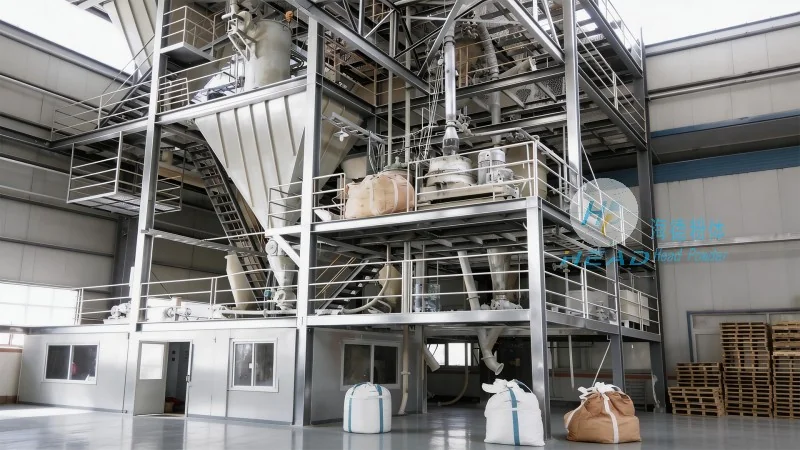
Key Design Principles for Single Crystal Silicon Material Handling Systems
The design of single crystal silicon material handling systems is guided by several fundamental principles aimed at optimizing performance and reliability. First, contamination control is paramount, as even minute particles can compromise the integrity of silicon wafers, leading to defects in final products. Systems incorporate cleanroom environments, filtered air, and specialized handling tools to prevent contamination. Second, precision and repeatability are critical, as silicon wafers must be moved with minimal vibration and accurate positioning to avoid damage or misalignment. This is achieved through advanced mechanical designs, such as linear guides, precision bearings, and motorized actuators that ensure smooth and controlled movement. Third, safety and ergonomics are integrated into the design to protect operators and maintain operational efficiency. Features like automated shut-off mechanisms, emergency stops, and ergonomic controls reduce the risk of accidents and improve user experience. Additionally, the design considers scalability and adaptability to accommodate different wafer sizes and production volumes, ensuring the system can evolve with technological advancements.
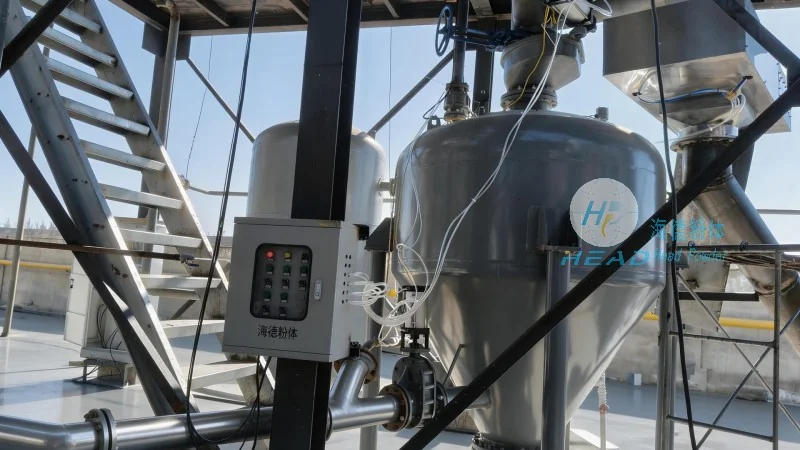
Components and Technologies in Single Crystal Silicon Material Handling
Modern single crystal silicon material handling systems rely on a combination of advanced components and technologies to achieve their objectives. One of the core technologies is automated material transport, which uses conveyor systems, robotic arms, and automated guided vehicles (AGVs) to move silicon ingots or wafers between processing stages. These systems often incorporate vision systems and sensors to detect position, orientation, and any defects, ensuring that only qualified materials proceed through the production line. Another critical component is the handling equipment itself, such as wafer carriers, which are designed to securely hold silicon wafers without causing scratches or other damage. These carriers typically feature non-abrasive surfaces and precise alignment features to maintain wafer flatness. Additionally, the systems may include temperature and humidity control mechanisms to maintain stable conditions, as fluctuations can affect the material properties of silicon. The integration of these components into a cohesive system requires careful engineering to ensure seamless operation and minimal downtime.
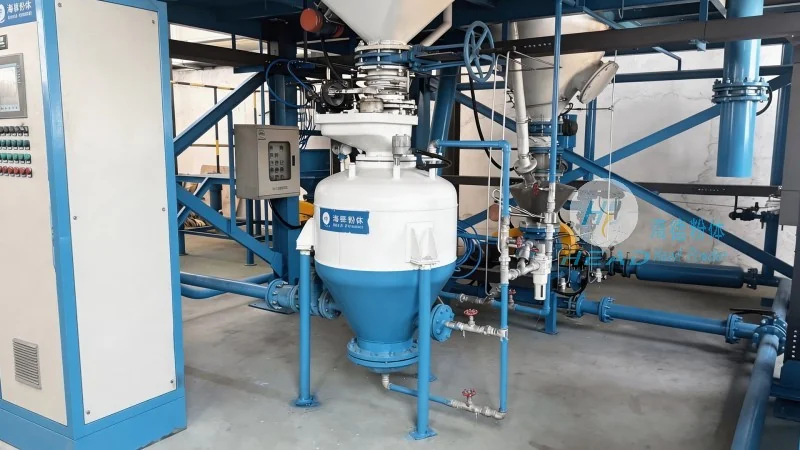
Applications and Industries Served by Single Crystal Silicon Material Handling
Single crystal silicon material handling systems are widely used across various industries that rely on semiconductor technology. The primary application is in the manufacturing of integrated circuits (ICs), where silicon wafers are processed into chips for computers, smartphones, and other electronic devices. Additionally, these systems are used in the production of solar panels, where silicon wafers are converted into photovoltaic cells to generate electricity. Other industries, such as microelectronics and MEMS (microelectromechanical systems), also utilize single crystal silicon material handling for the fabrication of sensors, actuators, and other precision components. The versatility of these systems makes them essential in any environment where high-purity silicon materials are processed, ensuring that the materials are handled with the utmost care and precision.
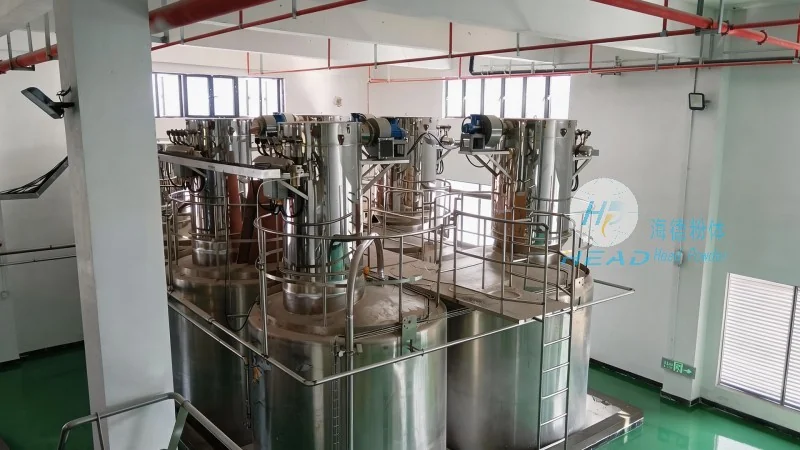
Company Profile: Shandong HeadPowder Engineering Co., Ltd.
Shandong HeadPowder Engineering Co., Ltd., commonly known as HeadPowder, is a leading provider of specialized material handling solutions for the semiconductor industry. With a focus on innovation and quality, HeadPowder has established itself as a trusted partner for companies seeking reliable and efficient systems for single crystal silicon material handling. The company is headquartered in Shandong, China, and leverages its expertise in mechanical engineering and cleanroom technology to design and manufacture cutting-edge equipment tailored to the unique needs of the semiconductor sector. HeadPowder's commitment to customer satisfaction and technological advancement has earned it a reputation for delivering high-performance solutions that enhance production efficiency and product quality. By combining advanced design principles with rigorous testing and quality control, HeadPowder ensures that its material handling systems meet the stringent requirements of modern semiconductor manufacturing.