

What is Color Masterbatch Particle Material Conveying? And What Are Its Design Principles?
Color masterbatch particle material conveying systems are critical components in industrial processes where the precise handling and transport of color masterbatch particles are essential. Color masterbatch, a concentrated pigment formulation used to impart color to polymers, rubber, and other materials, requires specialized equipment to ensure efficient and reliable movement from storage to processing units. The design of these conveying systems involves a combination of mechanical, pneumatic, and control technologies tailored to the unique characteristics of color masterbatch particles, such as their size, density, and flow properties.
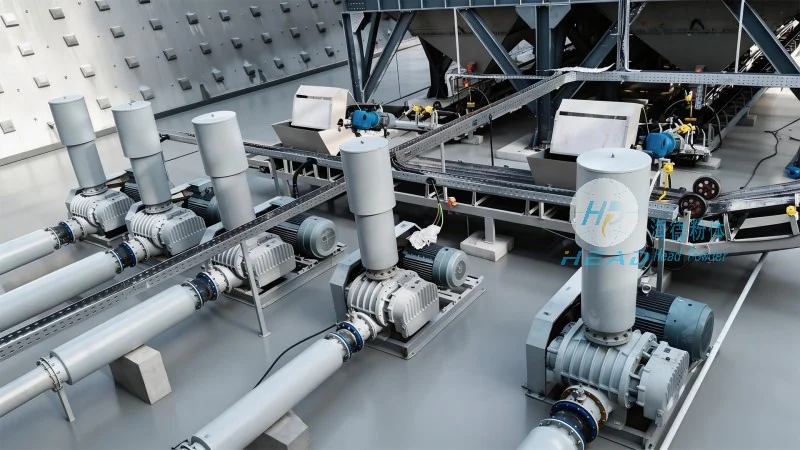
Key Design Principles for Efficient Material Conveying
The design of color masterbatch particle conveying systems is guided by several core principles to optimize performance and minimize operational issues. First, the selection of the appropriate conveying method is crucial. For example, screw conveyors are commonly used for bulk material transport due to their ability to handle a wide range of particle sizes and densities without the need for additional air or power. Pneumatic conveyors, on the other hand, are ideal for transporting fine or dusty particles, as they use air pressure to move materials through pipelines. The choice of equipment depends on factors like the particle's moisture content, abrasiveness, and the required conveying distance.
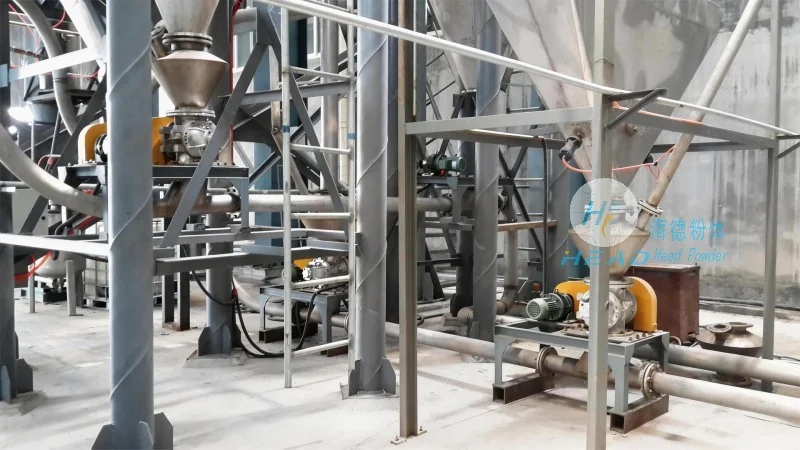
Second, the system must address the challenges of particle flow, including clogging and bridging. These issues can arise when particles are too fine or have high moisture content, leading to blockages in the conveying line. To mitigate this, designers incorporate features such as inclined or vertical screw sections, air knives, or vibration mechanisms that help break up agglomerates and maintain consistent flow. Additionally, the design includes proper sealing and dust control measures to prevent contamination and ensure environmental compliance.
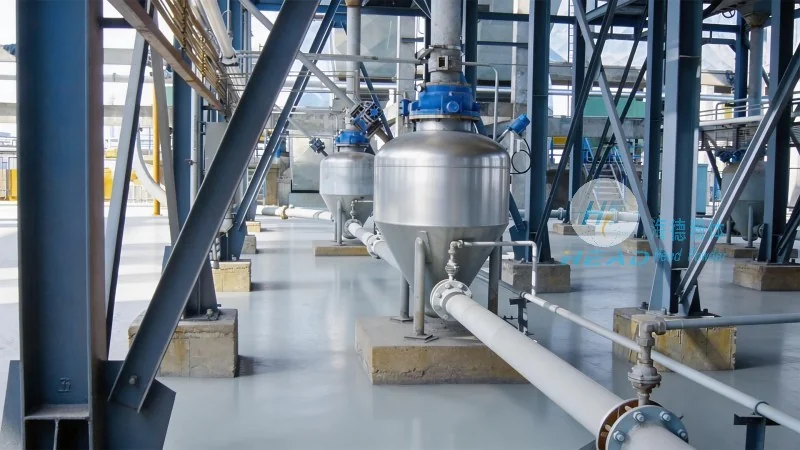
Components and Functionality of Conveying Systems
A typical color masterbatch particle conveying system consists of several key components that work in tandem to achieve efficient material transport. The primary components include a hopper or storage bin for holding the masterbatch, a conveying device (e.g., screw or pneumatic), a control panel for regulating speed and direction, and a discharge unit for delivering the material to the processing equipment. The hopper is designed with smooth, non-stick surfaces to prevent particle buildup and facilitate easy cleaning. The conveying device is equipped with materials like stainless steel or corrosion-resistant alloys to withstand the abrasive nature of color masterbatch particles and prevent material degradation.
The control panel plays a vital role in managing the system's operation. It includes sensors to monitor the level of material in the hopper, flow rates, and pressure in the conveying line. These sensors provide real-time data that allows operators to adjust the system parameters as needed, ensuring optimal performance and preventing overloading or underflow. The discharge unit, often a valve or a feeder, regulates the output of the material to the downstream process, such as a mixer or extruder, maintaining a consistent feed rate.
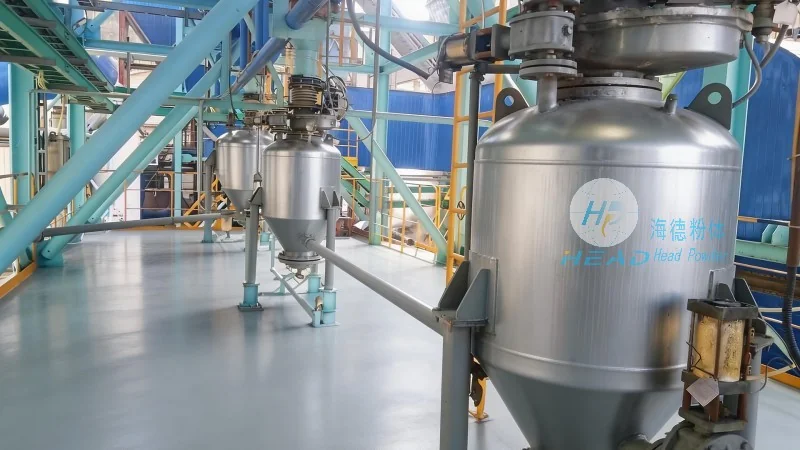
About Shandong HeadPowder Engineering Co., Ltd.
Shandong HeadPowder Engineering Co., Ltd., or HeadPowder, is a reputable manufacturer specializing in the development and production of material conveying systems for color masterbatch particles. HeadPowder is headquartered in Shandong, China, and has established itself as a trusted partner for industries requiring reliable and efficient color masterbatch handling solutions. The company's engineering team leverages advanced technology and industry expertise to design customized conveying systems that meet the specific requirements of clients in the plastics, rubber, and coatings sectors. With a commitment to quality and innovation, HeadPowder provides products that enhance operational efficiency, reduce downtime, and improve product quality for its customers.