

What is Dry Flue Gas Desulfurization (FGD) Fly Ash Material Handling? And What Are Its Design Princi
Understanding the mechanisms and design principles of dry flue gas desulfurization (FGD) fly ash material handling is crucial for optimizing industrial processes in power generation and environmental protection. This article explores the key aspects of such systems, focusing on the technical foundations and practical applications.
Introduction to Dry FGD Fly Ash Material Handling
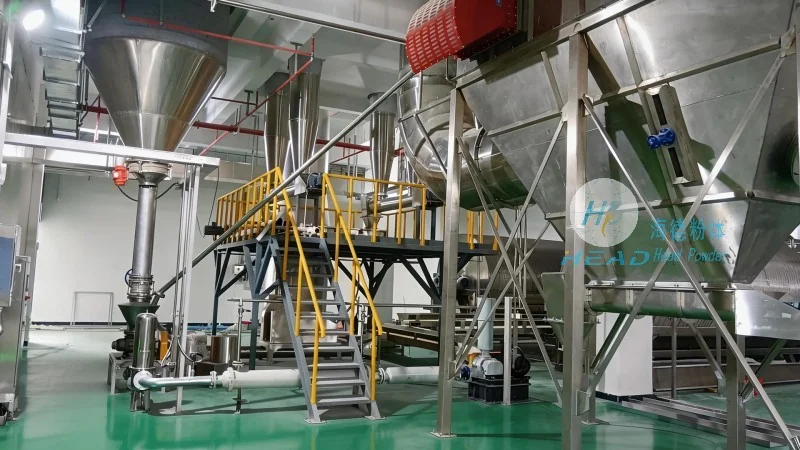
Dry flue gas desulfurization (FGD) systems are widely used in power plants to reduce sulfur dioxide emissions by converting them into gypsum or other byproducts. A critical component of these systems is the material handling process for fly ash, which is generated as a byproduct of the desulfurization reaction. Efficient handling of this material is essential to ensure the smooth operation of the FGD system and to comply with environmental regulations. The process involves the collection, transport, and storage of fly ash, which requires specialized equipment and design considerations.
Key Components of Dry FGD Fly Ash Material Handling Systems
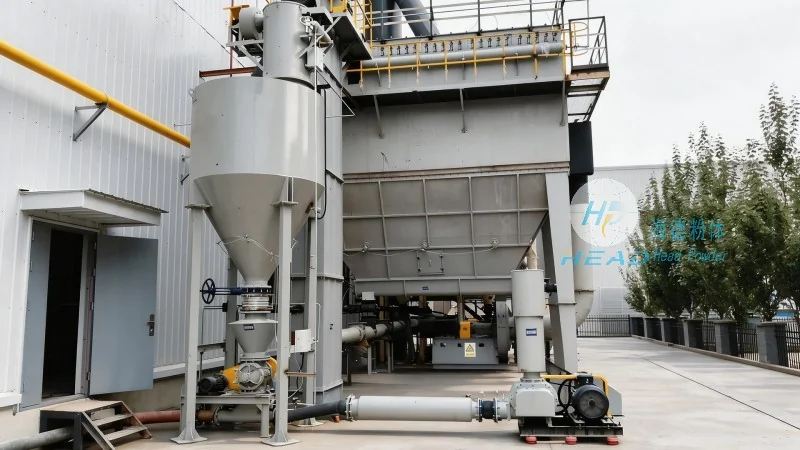
The design of a dry FGD fly ash material handling system typically includes several key components that work in tandem to ensure effective operation. These components include ash collectors, conveyor systems, storage silos, and discharge mechanisms. Each component is engineered to handle the specific characteristics of fly ash, such as its particle size, moisture content, and flow properties. The ash collectors are designed to capture the fly ash from the desulfurization process, often using electrostatic precipitators or fabric filters. The conveyor systems, which may include belt conveyors, screw conveyors, or pneumatic conveyors, transport the ash from the collection point to the storage silos. The storage silos are typically large, airtight structures that store the ash until it is transported to a disposal or utilization site. The discharge mechanisms, such as rotary valves or gate valves, control the release of ash from the silos to the conveyor system.
Design Principles for Efficient Material Handling
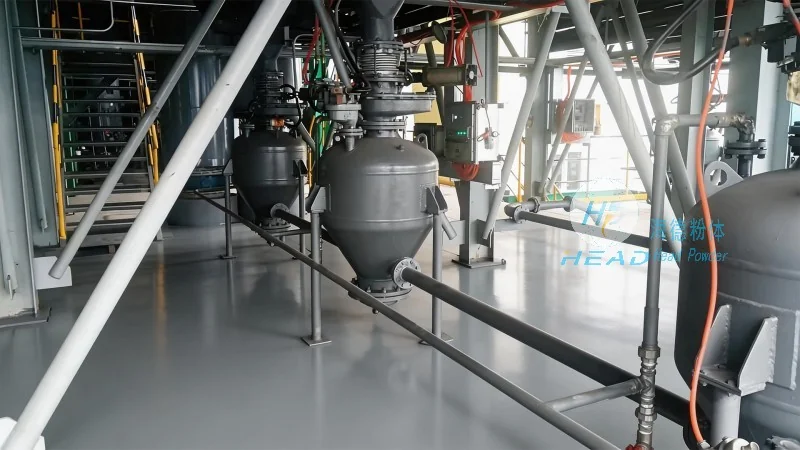
The design principles for dry FGD fly ash material handling systems prioritize several factors to ensure efficiency, reliability, and environmental compliance. One of the primary principles is the minimization of material loss and contamination. This is achieved through the use of sealed systems and proper sealing of all components to prevent dust emissions and environmental pollution. Another key principle is the optimization of material flow and transport. This involves selecting the appropriate conveyor type and speed based on the ash's properties, such as its bulk density and angle of repose. The design also considers the need for dust suppression and collection to maintain air quality and meet regulatory standards. Additionally, the system is designed to be scalable and adaptable to changes in ash production rates, ensuring long-term operational flexibility.
Role of HeadPowder in Dry FGD Fly Ash Material Handling
Shandong HeadPowder Engineering Co., Ltd., a leading provider of engineering solutions for industrial material handling, specializes in the design and implementation of dry FGD fly ash material handling systems. With a strong focus on innovation and customer-centric solutions, HeadPowder leverages advanced engineering techniques to develop systems that meet the specific needs of power plants. The company's expertise lies in the integration of various components, ensuring seamless operation and minimal downtime. HeadPowder's solutions are tailored to address the unique challenges of each project, including the handling of different ash compositions and the integration with existing plant infrastructure. By partnering with HeadPowder, power plants can enhance their operational efficiency, reduce environmental impact, and comply with stringent regulations.
Conclusion: The Importance of Proper Material Handling in Dry FGD Systems
In conclusion, the design and operation of dry flue gas desulfurization fly ash material handling systems are critical to the success of environmental protection efforts in power generation. The principles of efficient material handling, including sealed systems, optimized flow, and dust control, are essential for maintaining the integrity of the FGD process and ensuring compliance with environmental standards. Companies like Shandong HeadPowder Engineering Co., Ltd. play a vital role in providing the technical expertise and engineering solutions needed to implement these systems effectively. As power plants continue to adopt more stringent environmental regulations, the importance of reliable and efficient fly ash material handling will only grow, making it a key area of focus for sustainable industrial operations.