

What is Cement Fly Ash and Mineral Powder Material Handling? And What Are the Design Principles?
Material handling of cement fly ash and mineral powders is a critical process in the construction and industrial sectors, ensuring efficient and safe transportation of these fine materials. This article explores the fundamental aspects of such material handling systems, focusing on the design principles that underpin their operation and effectiveness.
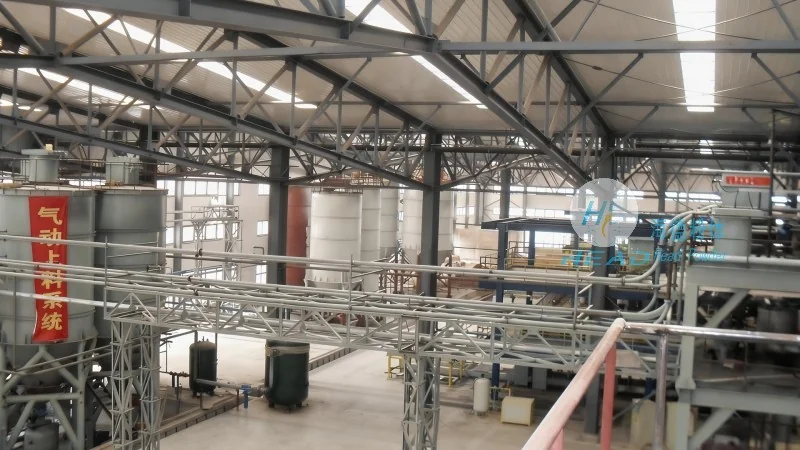
Understanding Cement Fly Ash and Mineral Powders
Cement fly ash, also known as fly ash, is a byproduct of coal combustion in thermal power plants. It is a fine, powdery material that is commonly used as a supplementary cementitious material in concrete production. Mineral powders, on the other hand, include various industrial minerals such as limestone, silica, and gypsum, which are essential additives in cement and other building materials. Both materials are characterized by their fine particle size and low bulk density, making them challenging to handle due to issues like dust generation, flowability, and segregation.
Key Design Principles for Material Handling
The design of cement fly ash and mineral powder handling systems must address several critical factors to ensure optimal performance. First, the system must minimize dust generation and ensure environmental compliance. This is achieved through the use of enclosed conveying systems, such as pneumatic conveying or enclosed belt conveyors, which prevent the release of fine particles into the air. Second, the design must consider the flow properties of the materials. Since these powders are often cohesive and prone to bridging or rat-holing, the system incorporates features like vibration, air knives, or rotary valves to maintain consistent flow. Third, the system must be scalable and adaptable to varying production volumes. This flexibility is achieved through modular components that can be easily expanded or reconfigured as production needs change.
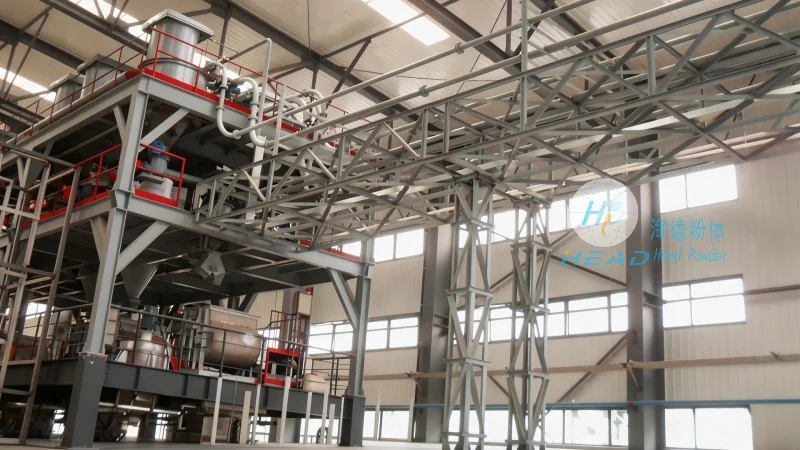
Common Material Handling Equipment
Several types of equipment are commonly used in cement fly ash and mineral powder handling systems. Pneumatic conveying systems use air to transport powders through a network of pipes, offering high efficiency and minimal dust. Enclosed belt conveyors, on the other hand, use a closed housing to contain the material, reducing environmental impact. Rotary valves and feeders are used to control the flow rate and prevent material buildup at the discharge point. Additionally, silos and storage tanks are used to store the materials before they are transported to the processing units.
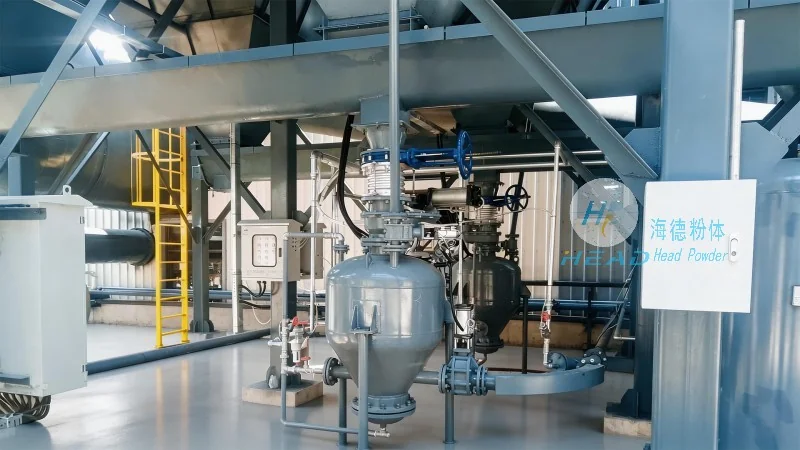
Role of Shandong HeadPowder Engineering Co., Ltd.
Shandong HeadPowder Engineering Co., Ltd., a leading provider in the field, specializes in designing and manufacturing customized material handling solutions for cement fly ash and mineral powders. With years of experience, the company understands the unique challenges associated with handling these fine materials and provides tailored solutions that meet the specific needs of clients. The company's expertise includes the design of enclosed conveying systems, dust control measures, and equipment that ensures efficient and safe material transport. By leveraging advanced technology and engineering expertise, Shandong HeadPowder Engineering Co., Ltd. helps clients optimize their material handling processes, reduce operational costs, and enhance overall productivity.
Conclusion
In conclusion, the material handling of cement fly ash and mineral powders requires a comprehensive approach that addresses the unique properties of these materials. The design principles, including dust control, flow management, and scalability, are crucial for the successful operation of such systems. Companies like Shandong HeadPowder Engineering Co., Ltd. play a vital role in providing the necessary expertise and equipment to ensure that material handling processes are efficient, safe, and environmentally responsible. As the demand for cement and related building materials continues to grow, the importance of effective material handling systems will only increase, making it essential for industries to invest in reliable and well-designed solutions.